Liangpi
Liangpi, literally cold skin, are springy steamed wheat or rice sheets cut into noodles and dressed with chilli oil, vinegar, garlic and sesame. The Xi'an style balances numbing, hot, sour and nutty flavours.
From Chef Ilhama’s recipe collection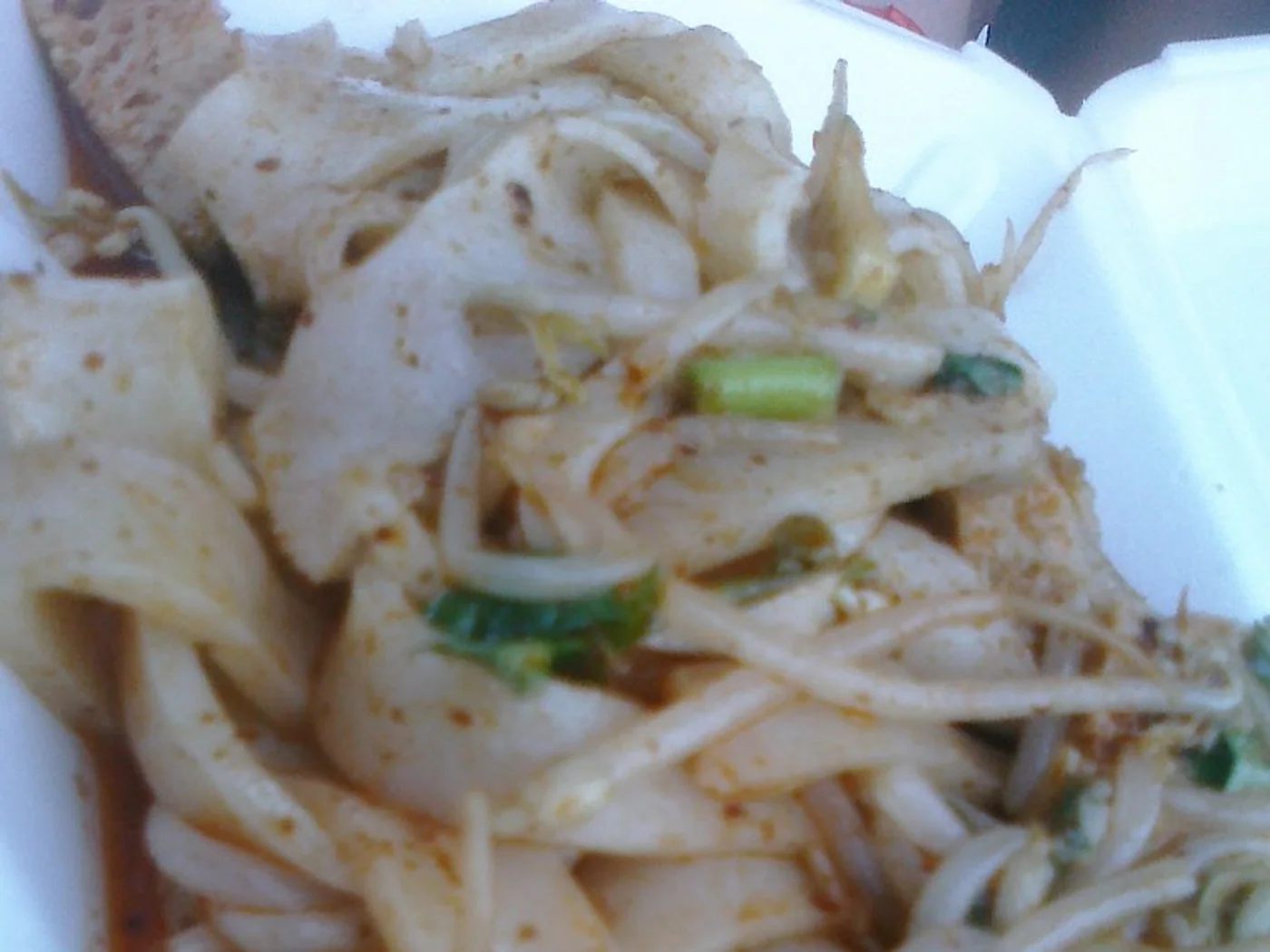
Photo: jenny8lee — "Liangpi, cold skin noodles, from Xian Famous Foods http://nyti.ms/8XjmwI" by jenny8lee is licensed under CC BY 2.0. To view a copy of this license, visit https://creativecommons.org/licenses/by/2.0/. · BY · Sources
How do you make Liangpi?
Liangpi uses 8 ingredients and 5 clear steps. Allow 1 hour 30 minutes; the recipe yields 4 servings. Check off ingredients and steps as you cook.
Ingredients & Preparation steps
8 items
History note
Liangpi, literally cold skin, are springy steamed wheat or rice sheets cut into noodles and dressed with chilli oil, vinegar, garlic and sesame. The Xi'an style balances numbing, hot, sour and nutty flavours.
5 steps
Knead flour with 250 ml water, rest, then wash the dough repeatedly in the remaining water until only elastic gluten remains.
Let the starchy washing water settle for at least 4 hours, pour off the clear top water and stir the starch slurry.
Steam thin ladles of slurry in oiled flat trays until translucent and blistered; cool and brush with oil.
Steam the gluten separately, then cut both sheets and gluten into bite-size pieces.
Toss with cucumber, sprouts, vinegar, chilli oil, garlic, soy and sesame paste.
Serve cool with cucumber, bean sprouts, wheat gluten and extra chilli oil.
If this recipe caught your eye.
Continue with recipes connected by technique, region and flavour structure.
If you want to feel this quality on your table, the next step is planning the service.
A direct contact for menu curation, event flow, and service tone is the most correct start.