A taste atlas of overlooked kitchens.
A cookable guide spanning 39 countries and six culinary routes—without repeating the same ten famous dishes found everywhere else.
Not a popularity chart. A useful discovery map.
Regional identity
The dish must belong to a specific place, community or ritual.
Cookable format
Ingredients, measures and steps must work in a real home kitchen.
A source trail
Every recipe keeps an open trail through image licensing and further-reading sources.
Less-repeated subject
Not another copy of a global classic, but a dish with a thinner high-quality web footprint.
Start with one flavour. Keep crossing borders.
Search by dish, country, region, category or even an ingredient, then narrow the route.
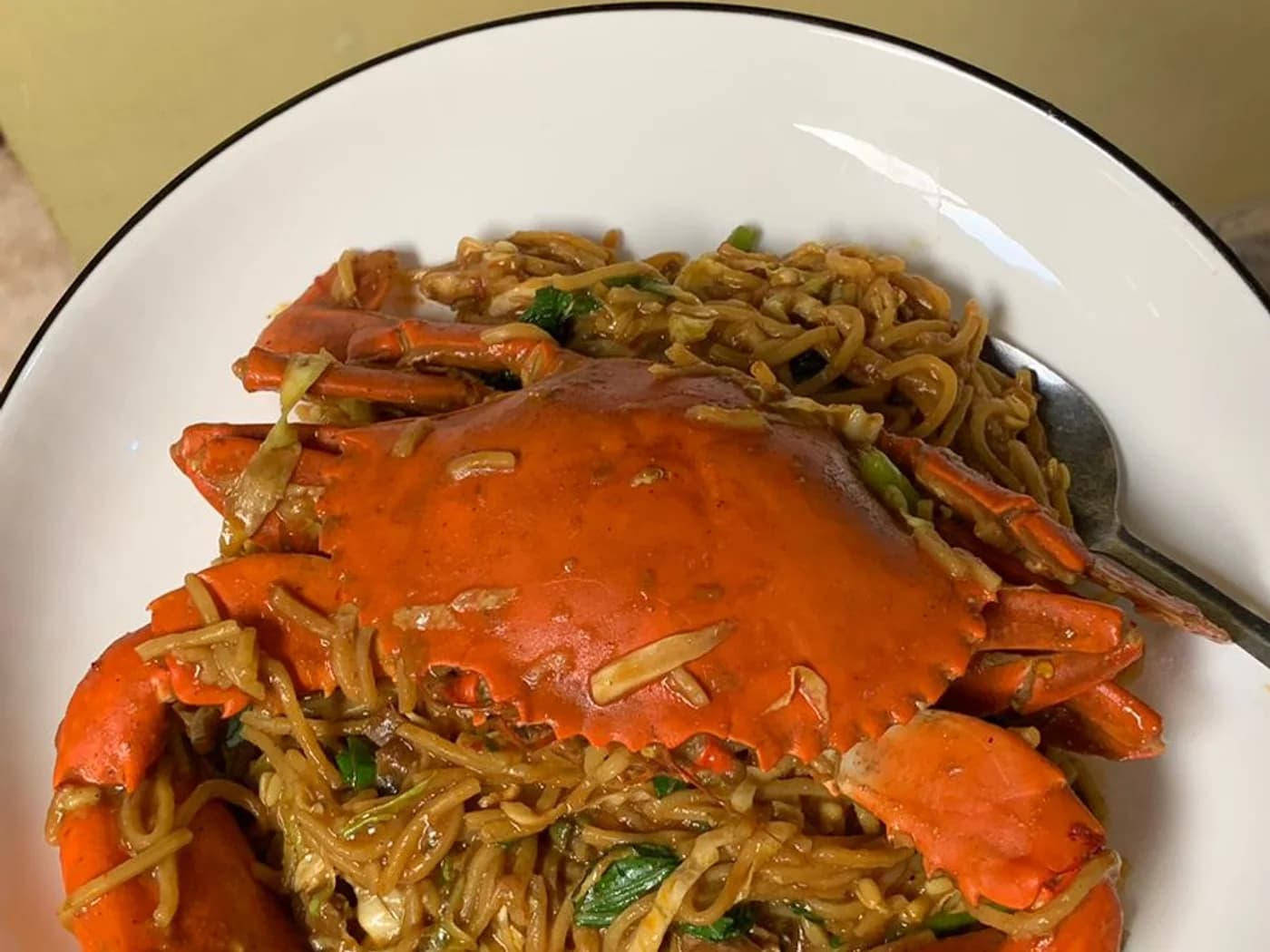
Mie Aceh
Mie Aceh is a robust Acehnese noodle dish shaped by local, Indian and Middle Eastern spice traditions. Thick yellow noodles are cooked dry, wet or soupy with a fragrant curry base.
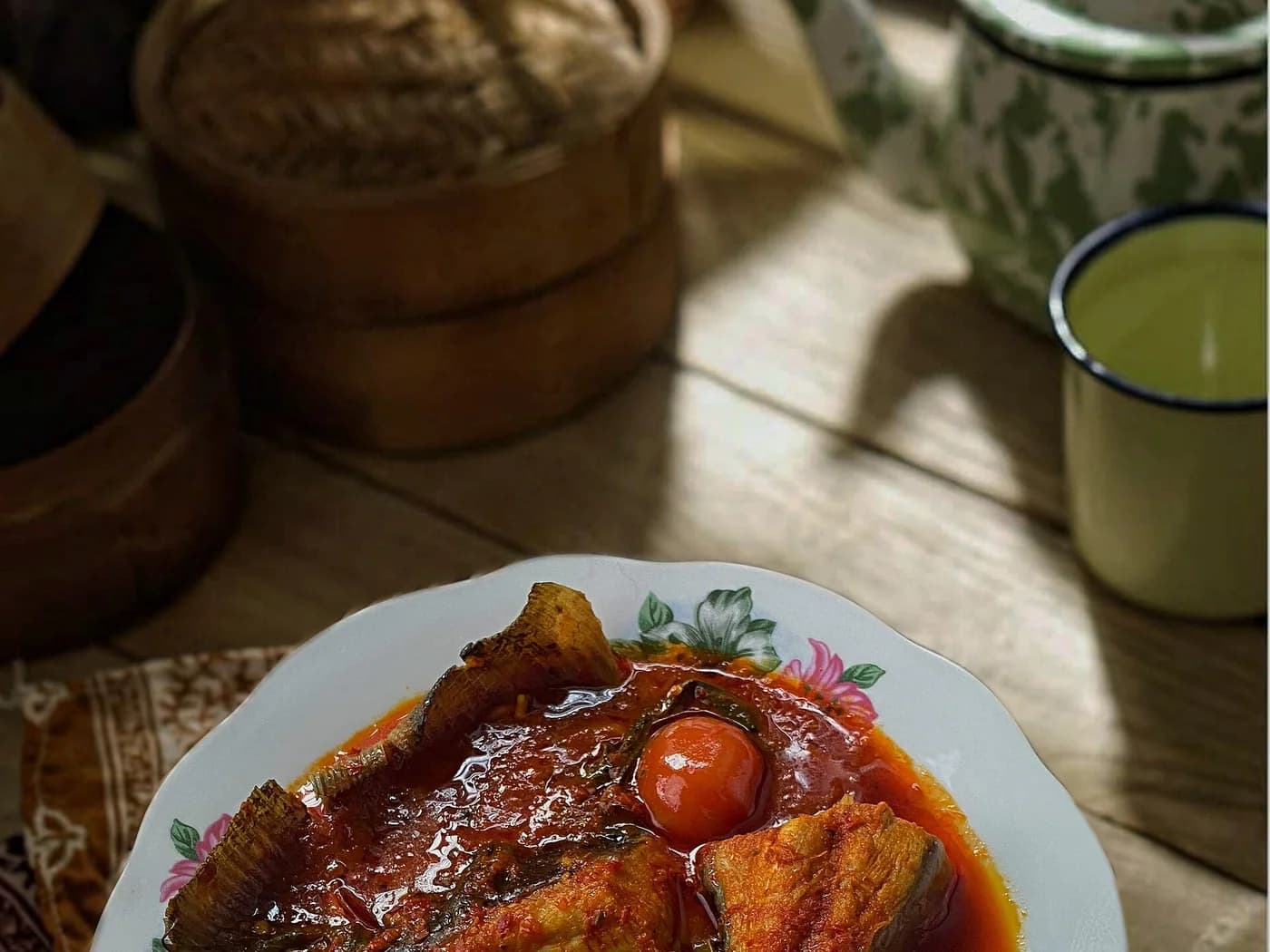
Asam pedas
Asam pedas is a Malaysian sour-hot fish stew whose chilli paste is sharpened with tamarind and scented with torch ginger and laksa leaf.
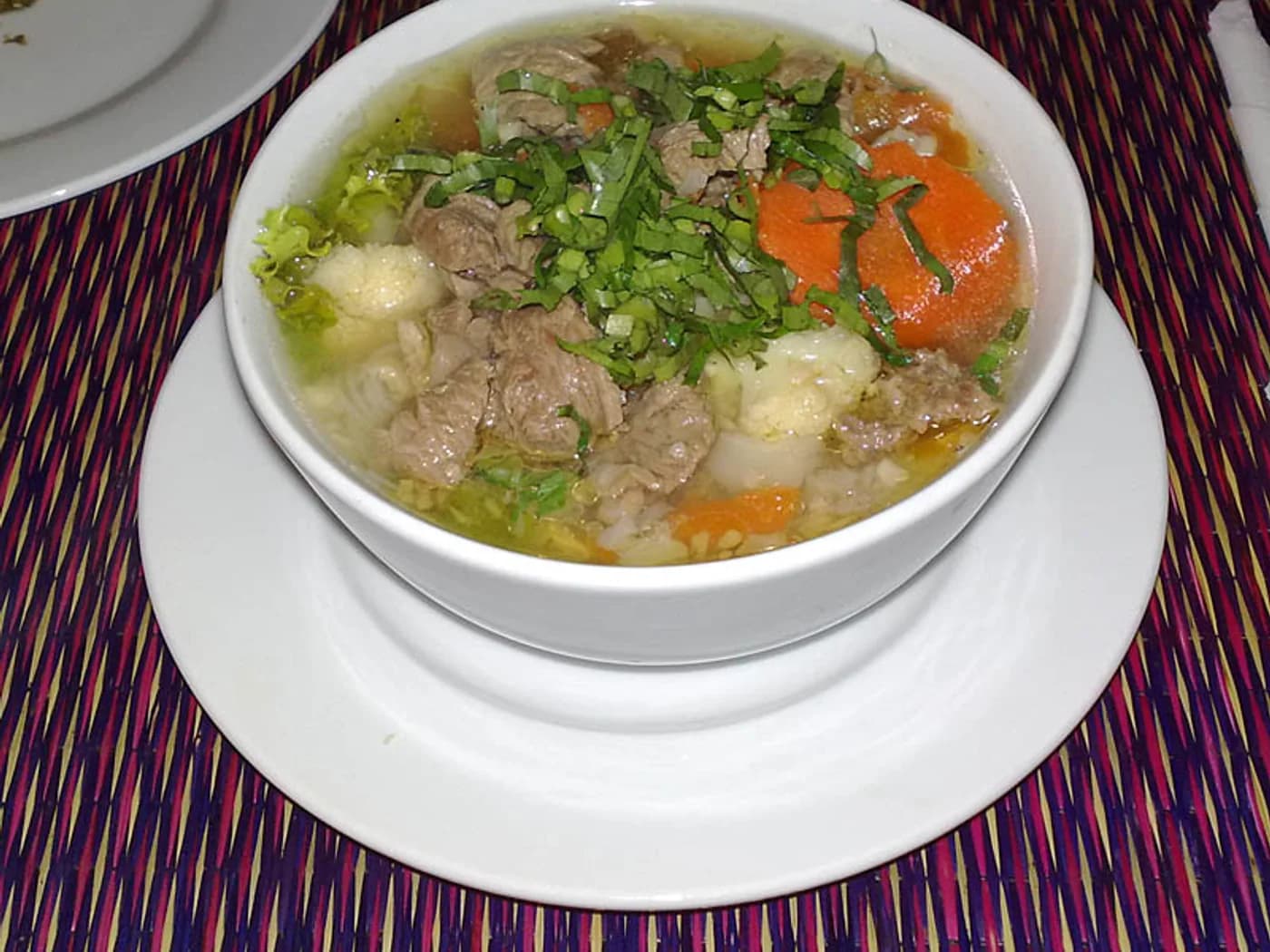
Num banh chok
Num banh chok is Cambodia's breakfast rice noodle dish, covered with a fragrant green fish gravy made with lemongrass, turmeric and coconut, then piled with raw herbs and vegetables.
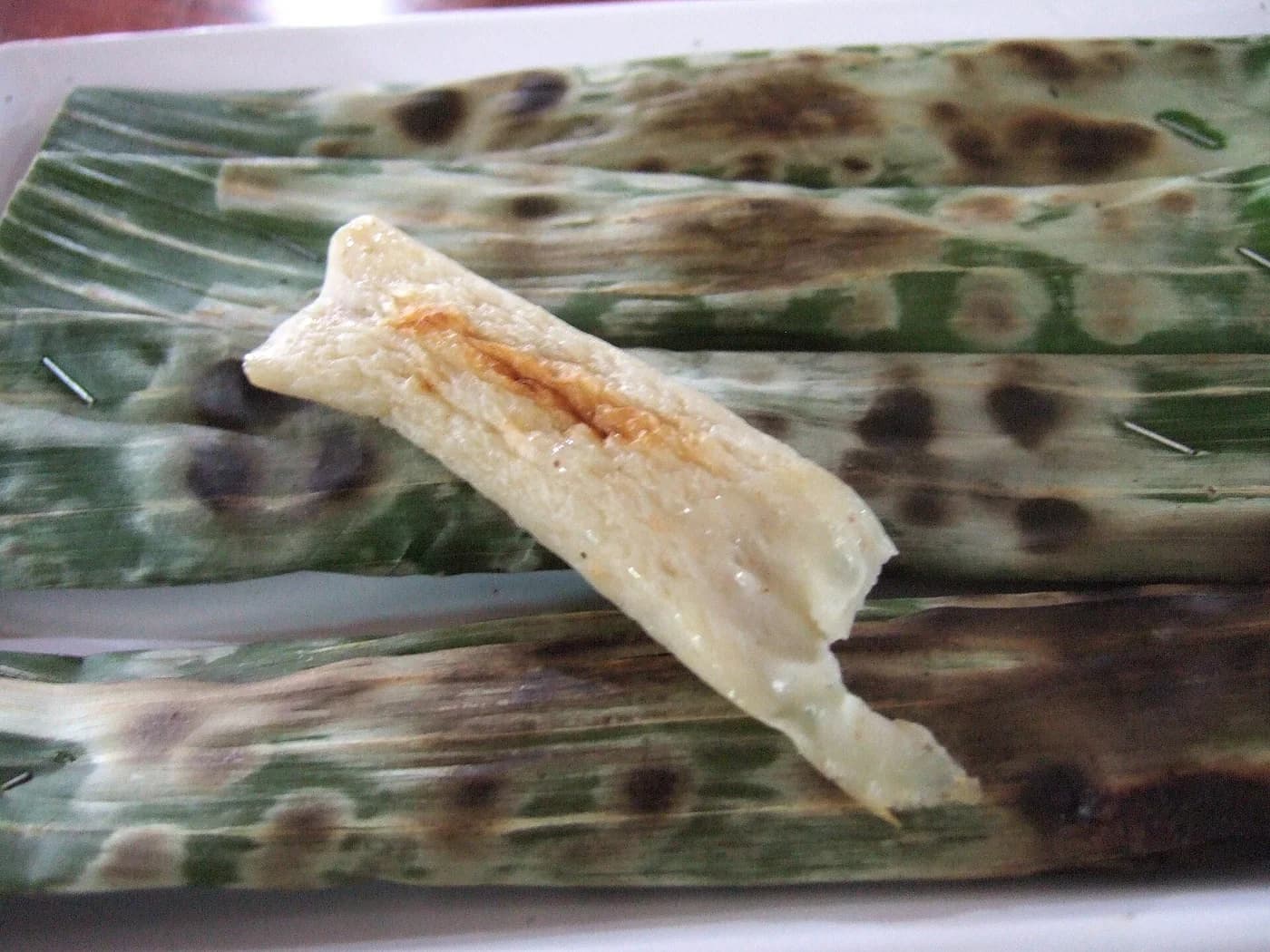
Otak-otak
Otak-otak is a fragrant Southeast Asian fish paste mixed with coconut milk and spices, wrapped in leaves and grilled or steamed. Malaysian versions often have a soft, custardy centre.
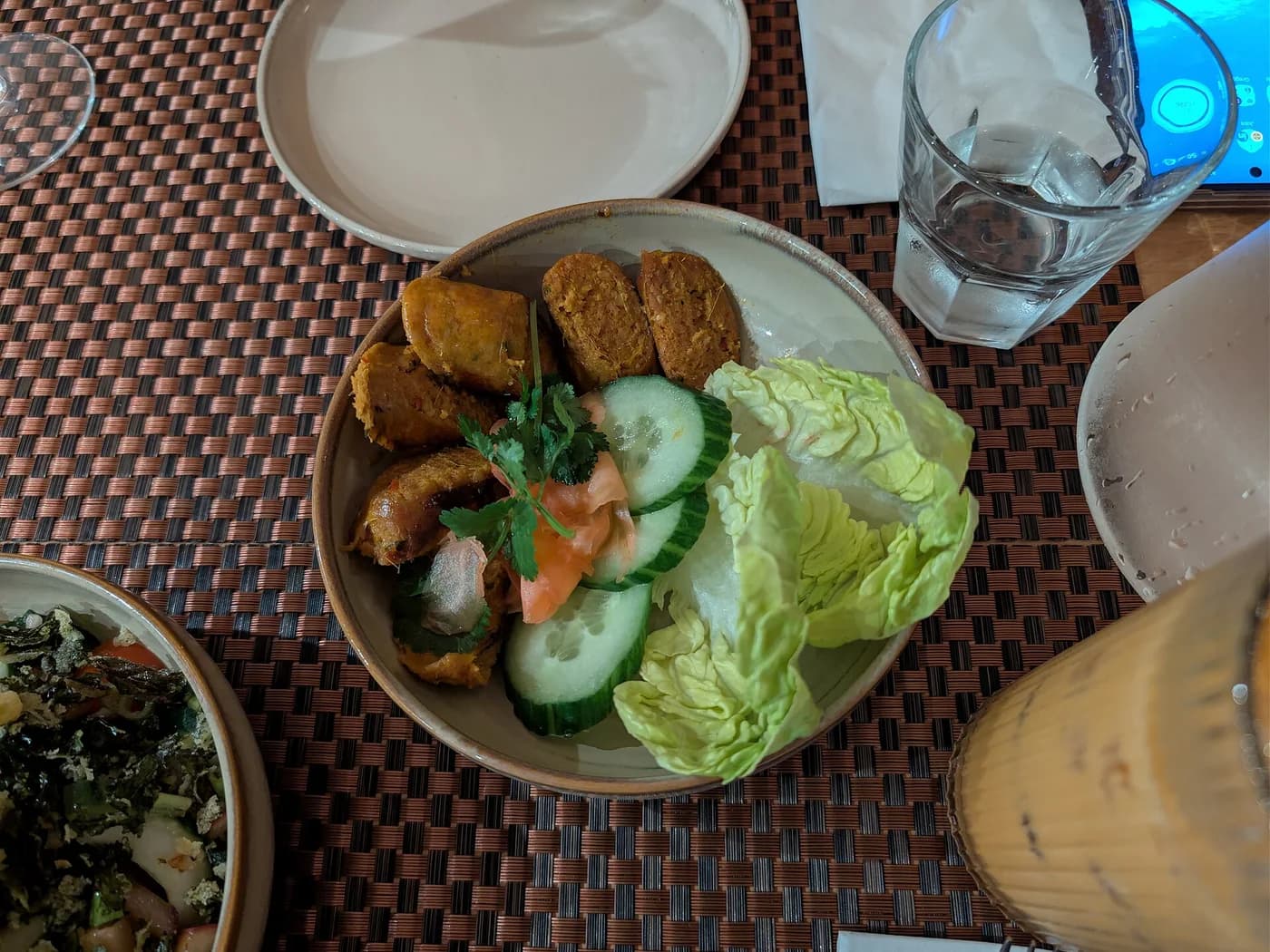
Sai ua
Sai ua is Chiang Mai's coiled pork sausage fragrant with red curry paste, lemongrass, makrut lime leaf and herbs. Grilling releases the spice paste into the meat's juices.
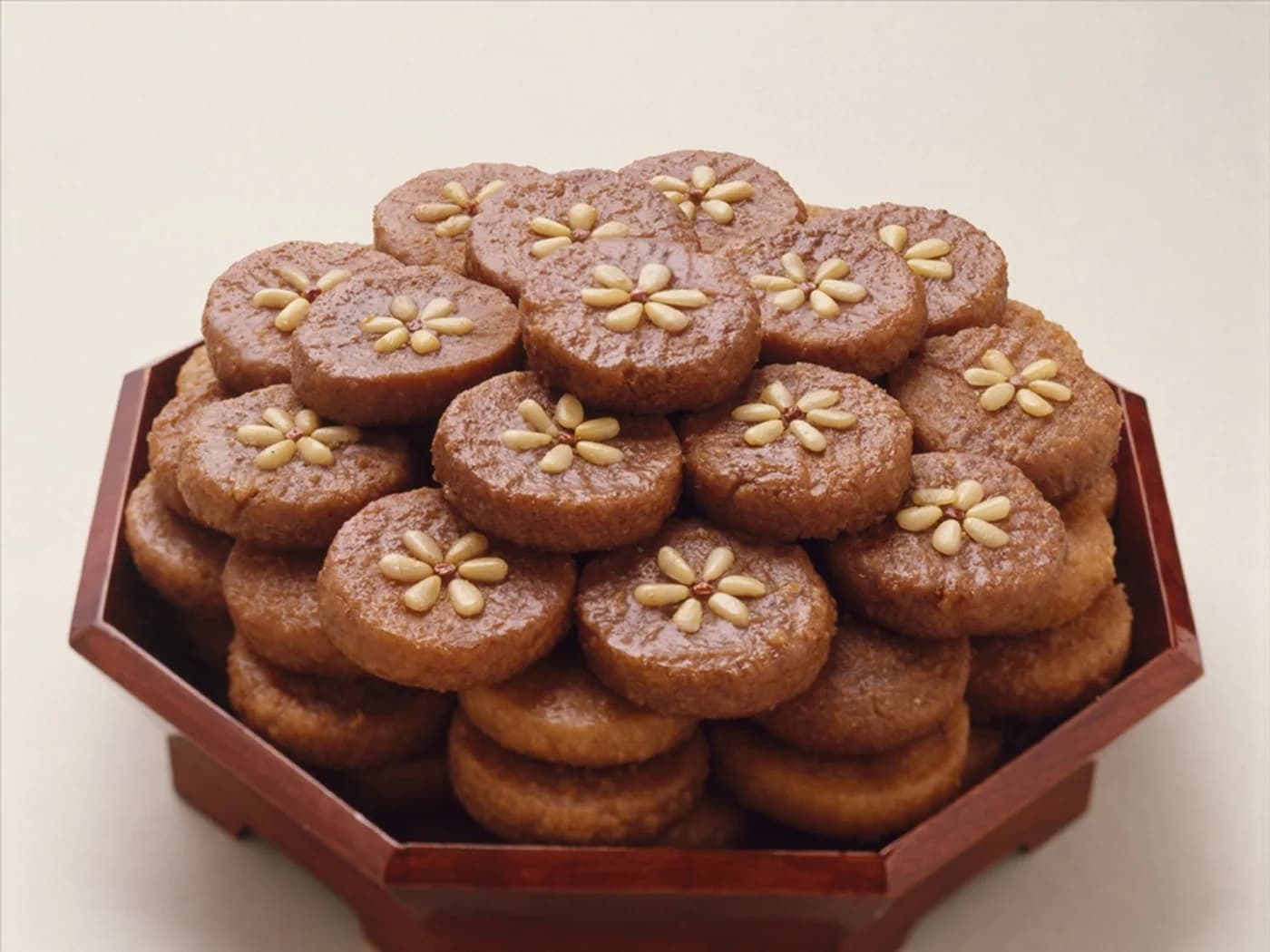
Yakgwa
Yakgwa are Korean wheat cookies flavoured with sesame oil, ginger and honey, slowly fried and soaked in aromatic syrup. Their layered, tender texture comes from handling the dough minimally.
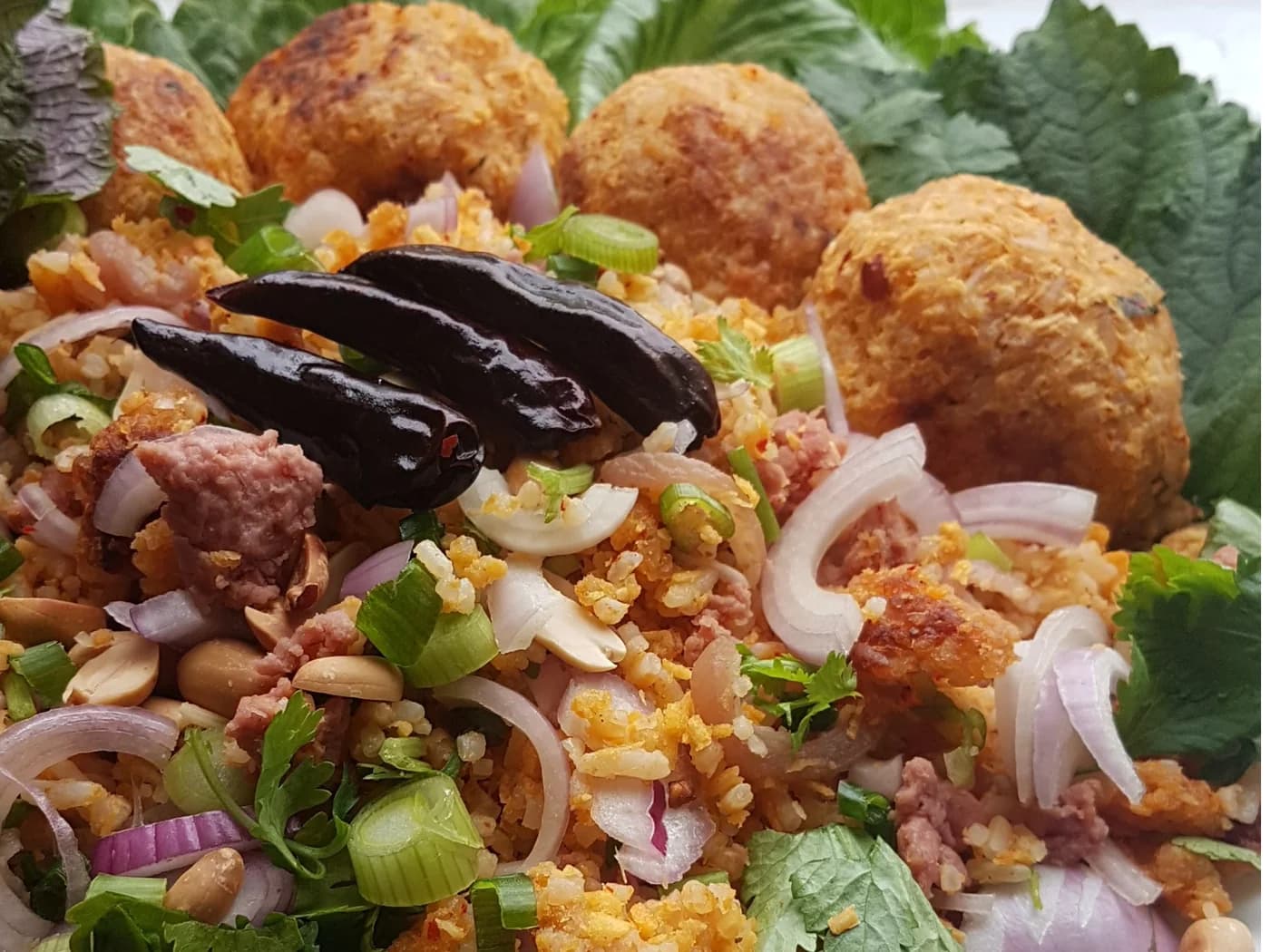
Nam khao
Nam khao is a Lao crispy rice salad made by frying coconut-red-curry rice balls, then breaking them into crunchy fragments with herbs, lime, peanuts and fermented sausage.
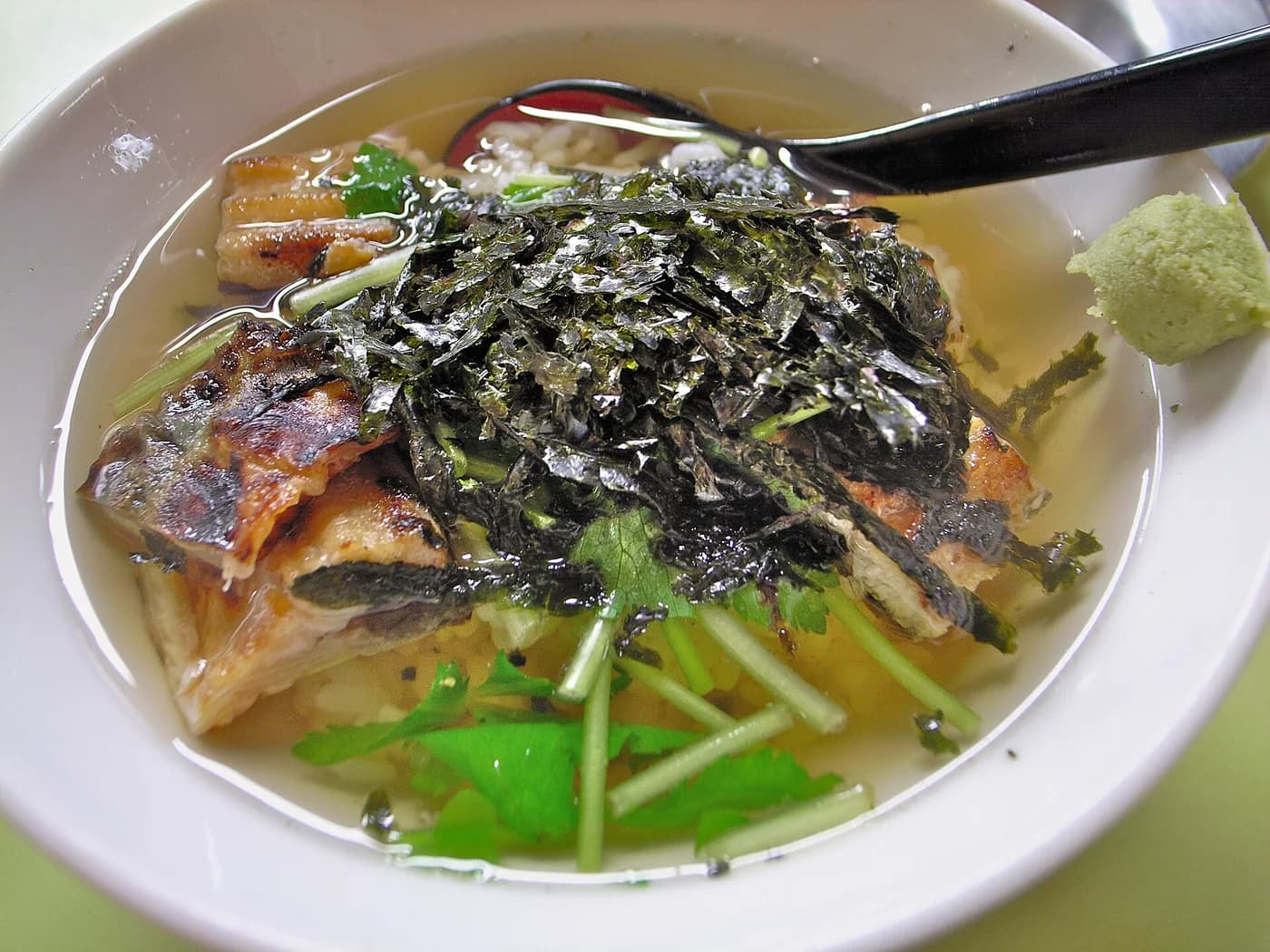
Ochazuke
Ochazuke is a light Japanese bowl made by pouring hot green tea or dashi over cooked rice. Small savoury toppings turn leftover rice into a soothing quick meal.
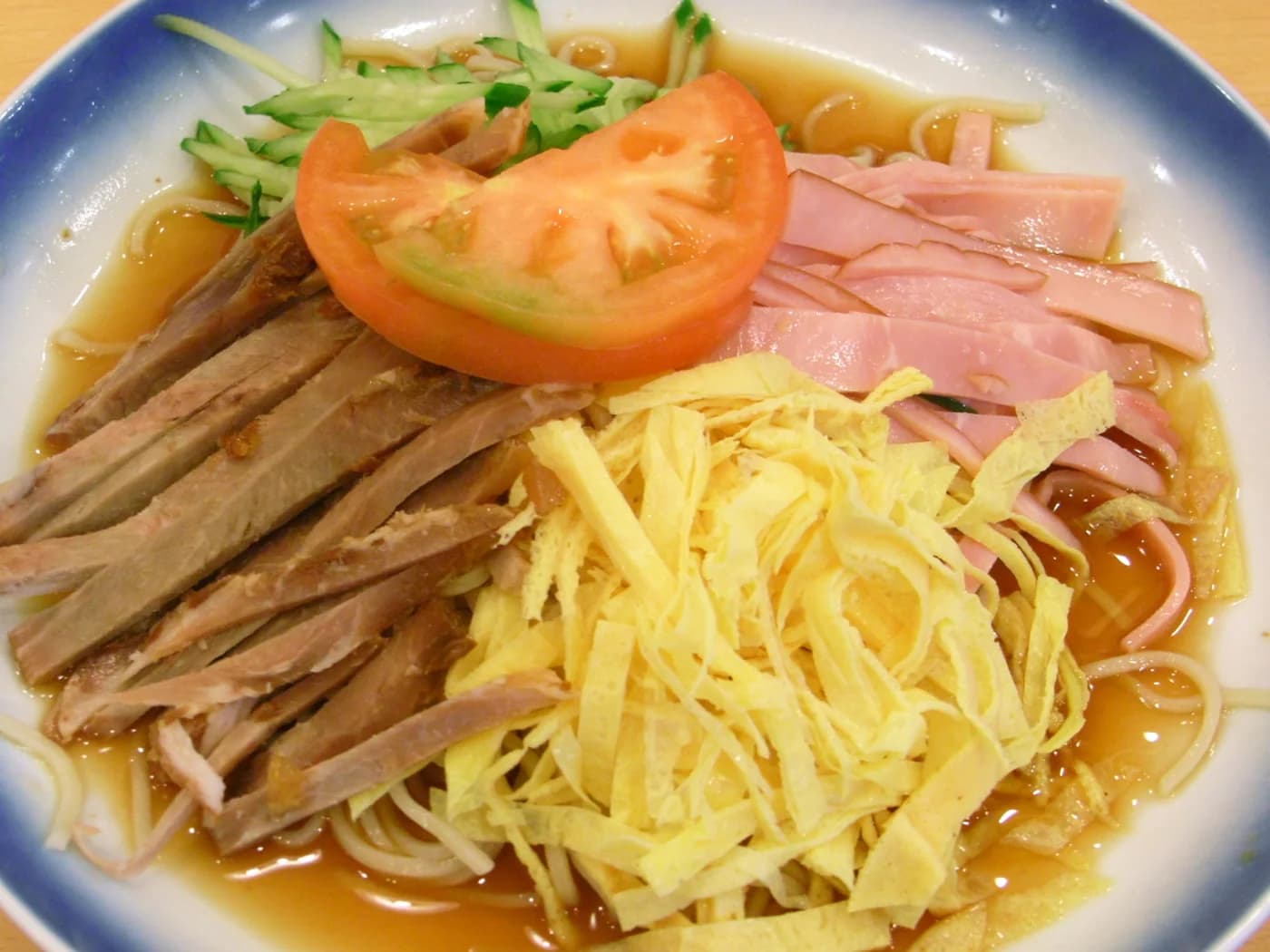
Hiyashi chūka
Hiyashi chūka is a colourful Japanese summer dish of chilled ramen noodles arranged with fine strips of egg, cucumber, tomato and protein, then dressed with a bright soy-vinegar sauce.
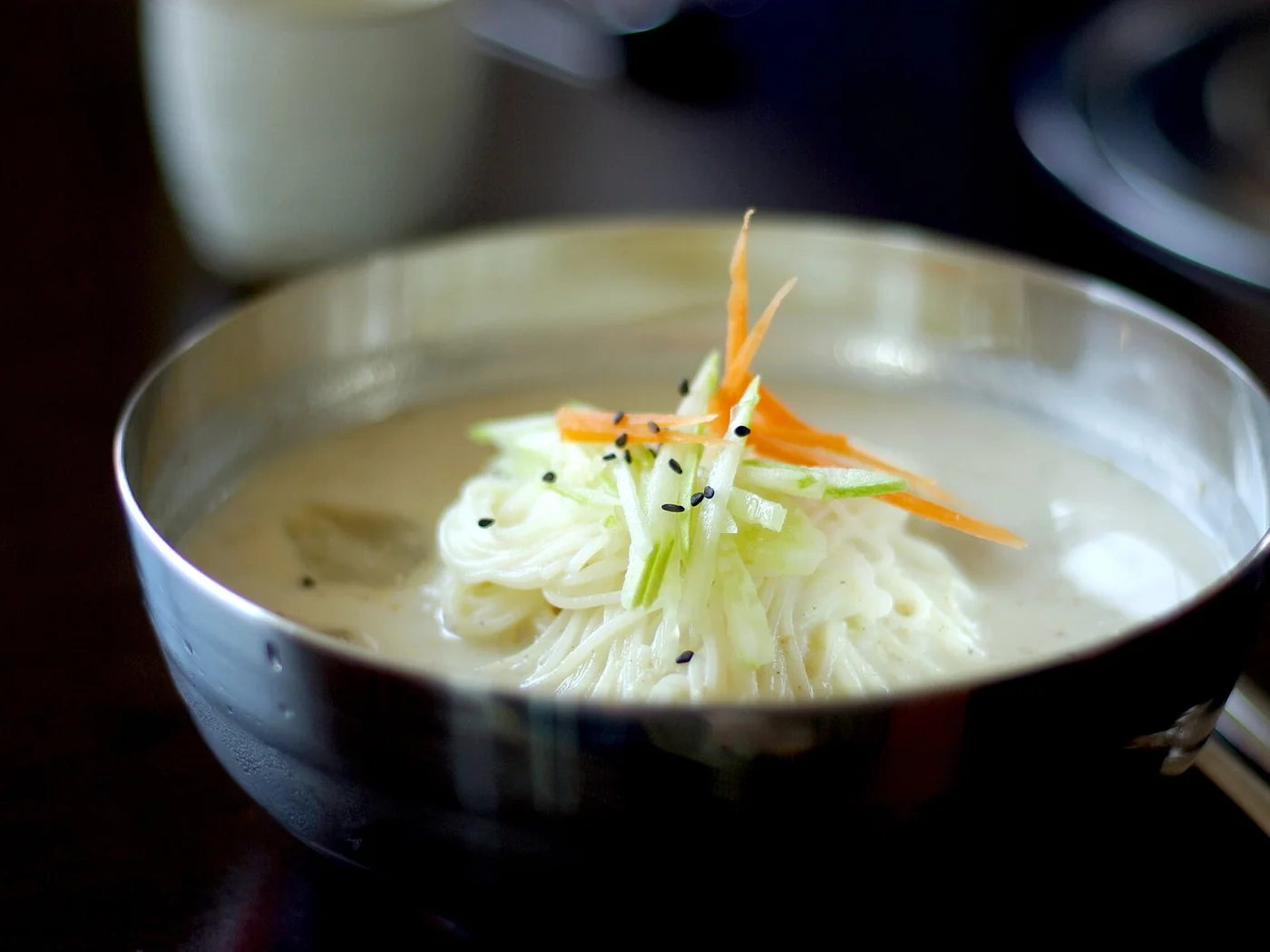
Kongguksu
Kongguksu is a Korean summer noodle bowl in a chilled, savoury soy-bean broth. Blended beans and sesame create a naturally creamy texture without dairy.
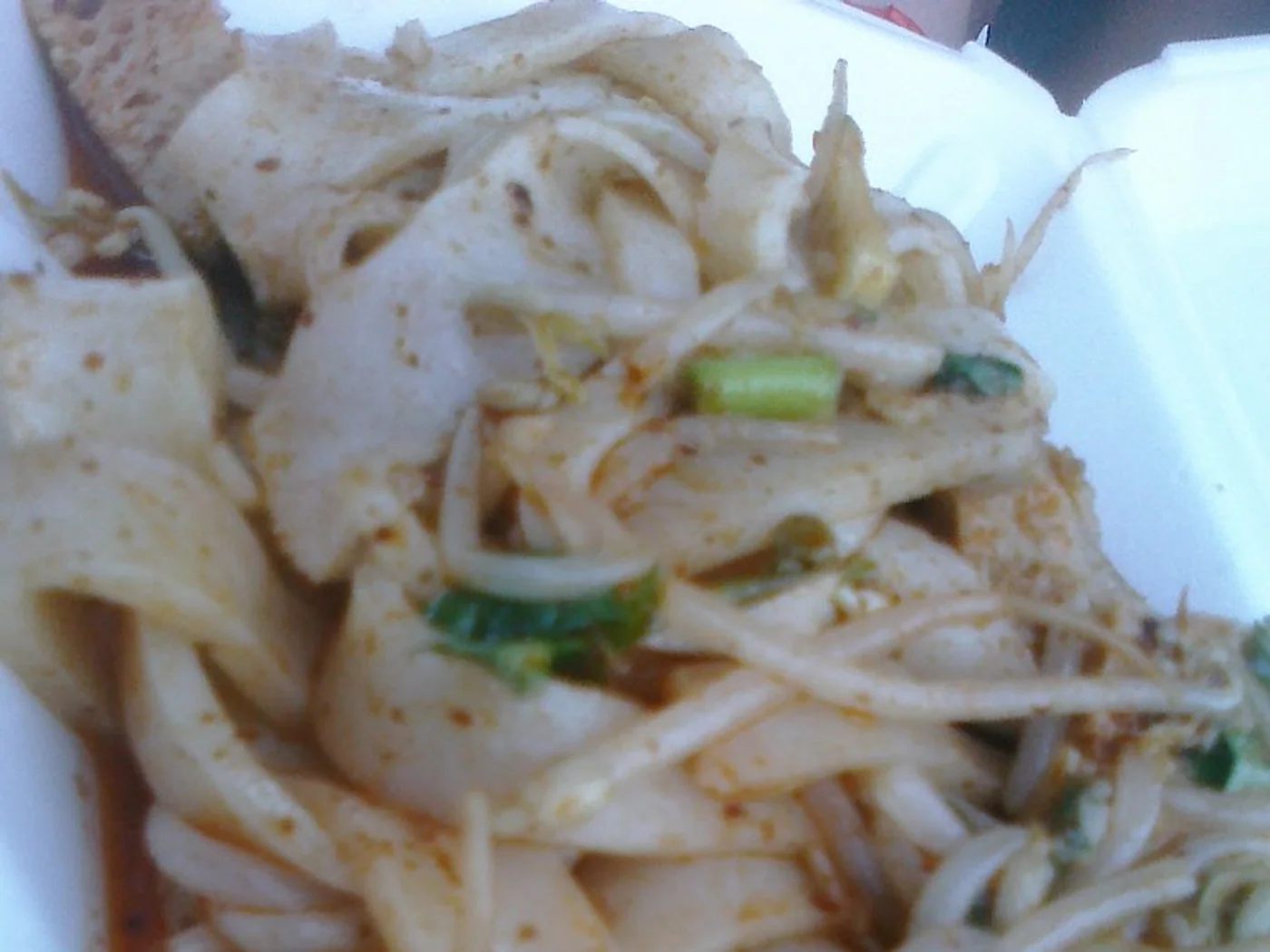
Liangpi
Liangpi, literally cold skin, are springy steamed wheat or rice sheets cut into noodles and dressed with chilli oil, vinegar, garlic and sesame. The Xi'an style balances numbing, hot, sour and nutty flavours.
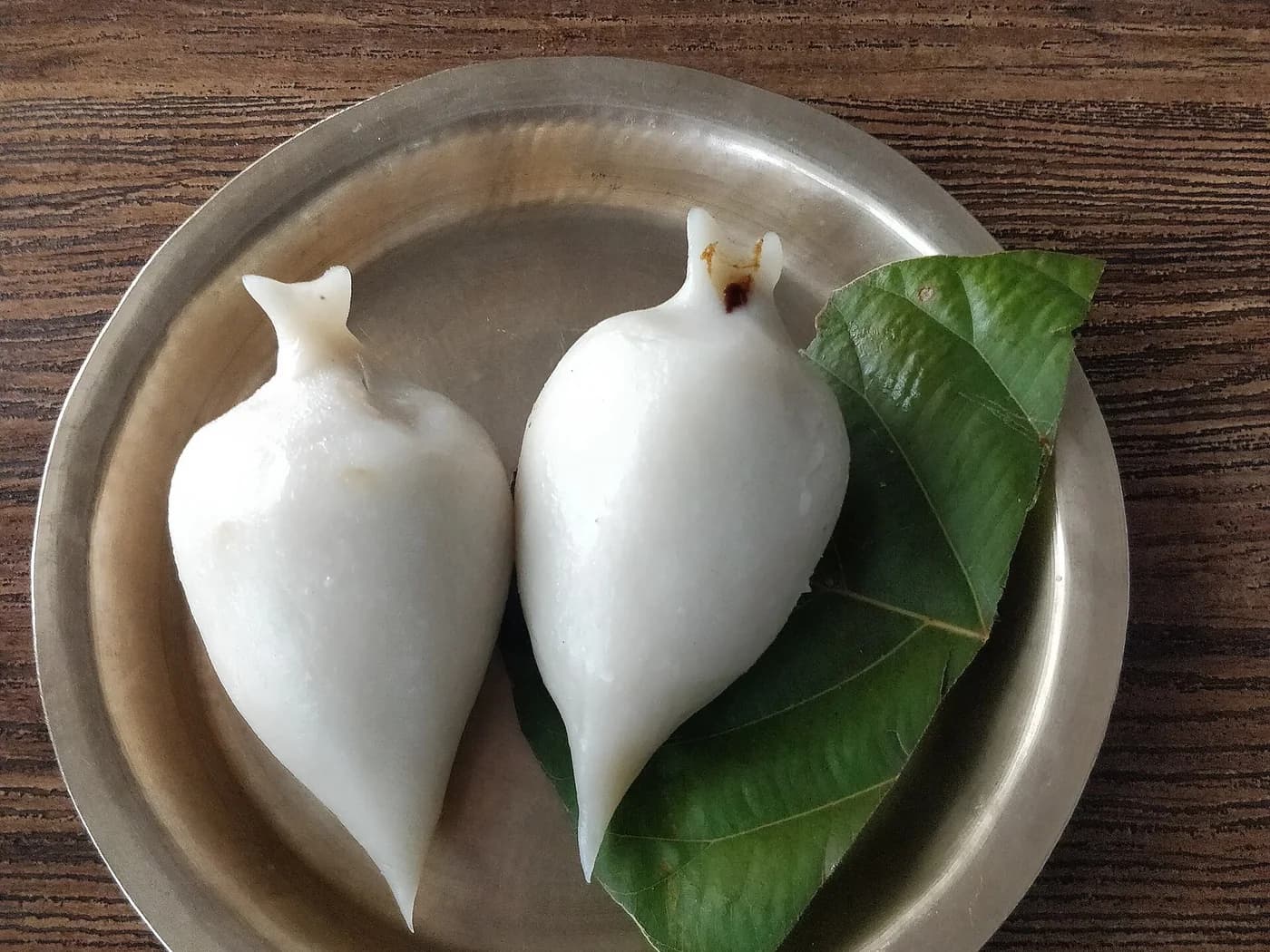
Yomari
Yomari are Newar steamed rice-flour dumplings shaped like tapered figs and filled with warm chaku molasses and sesame. They are central to the Yomari Punhi festival.
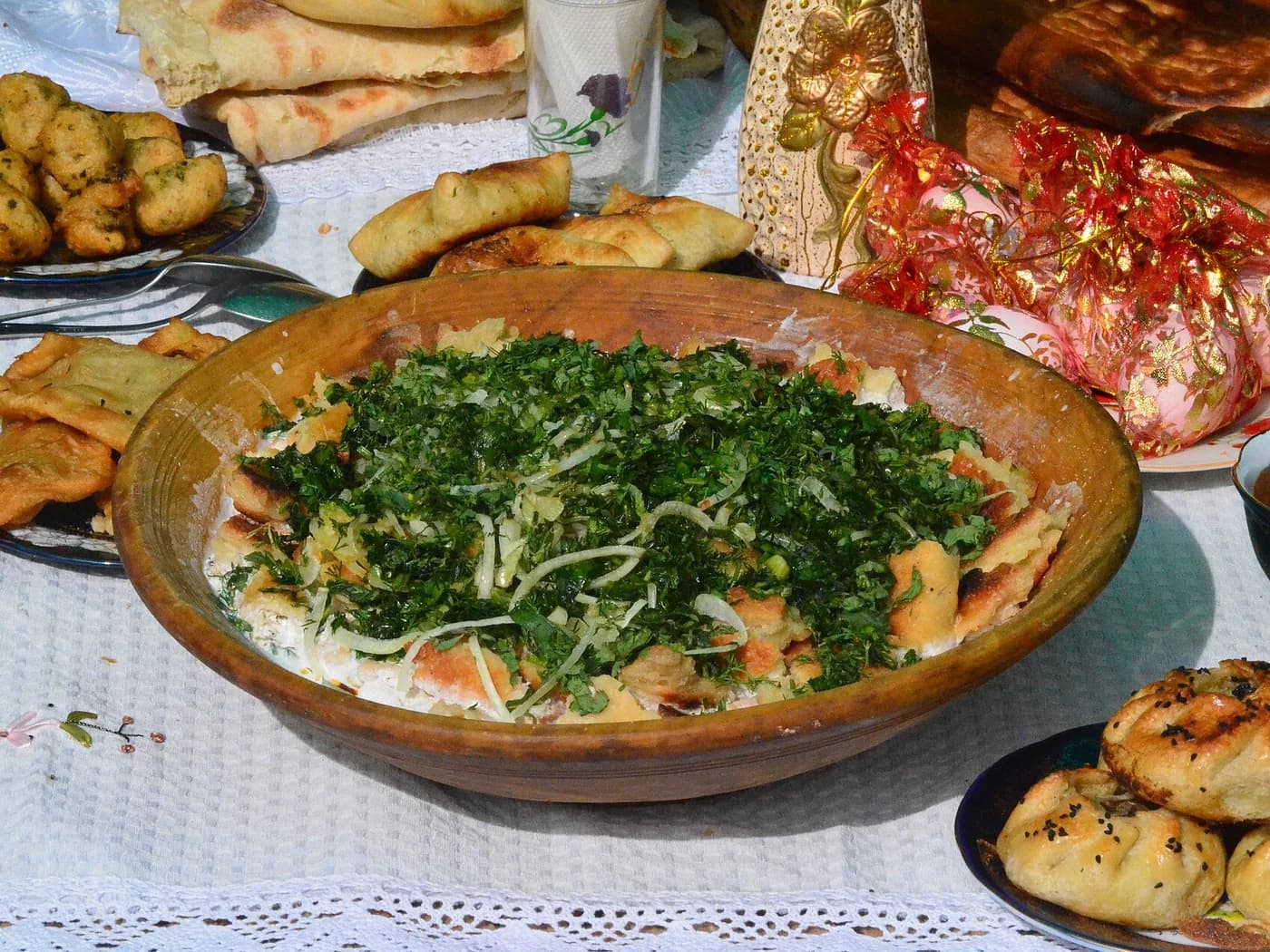
Qurutob
Qurutob is a communal Tajik dish of torn fatir bread softened with tangy qurut yogurt sauce and topped with onions, tomatoes, cucumber and herbs.
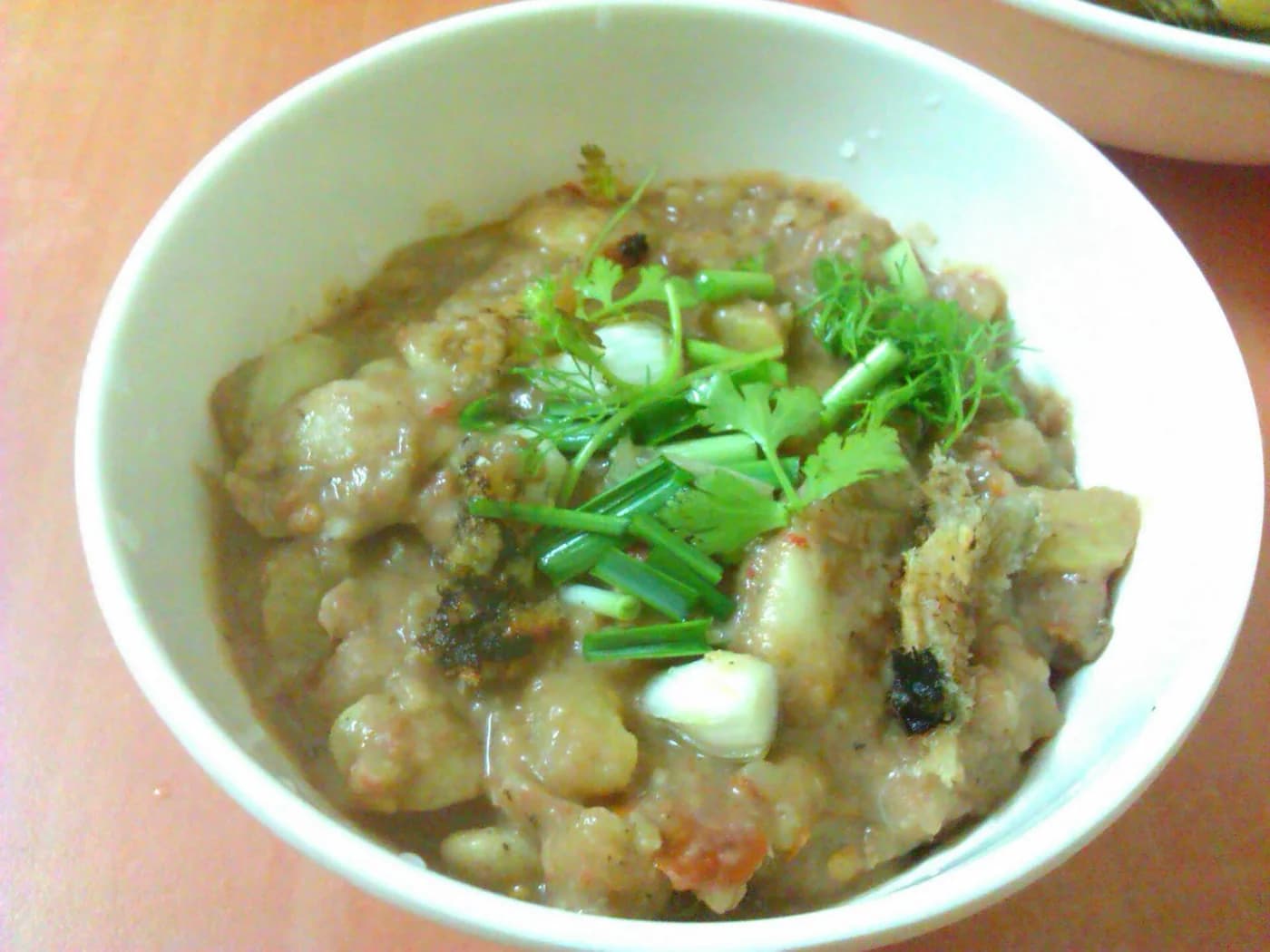
Eromba
Eromba is a Manipuri mash of boiled vegetables, chillies and fermented fish, valued for its smoky heat and deep umami. Seasonal greens and herbs vary by household.
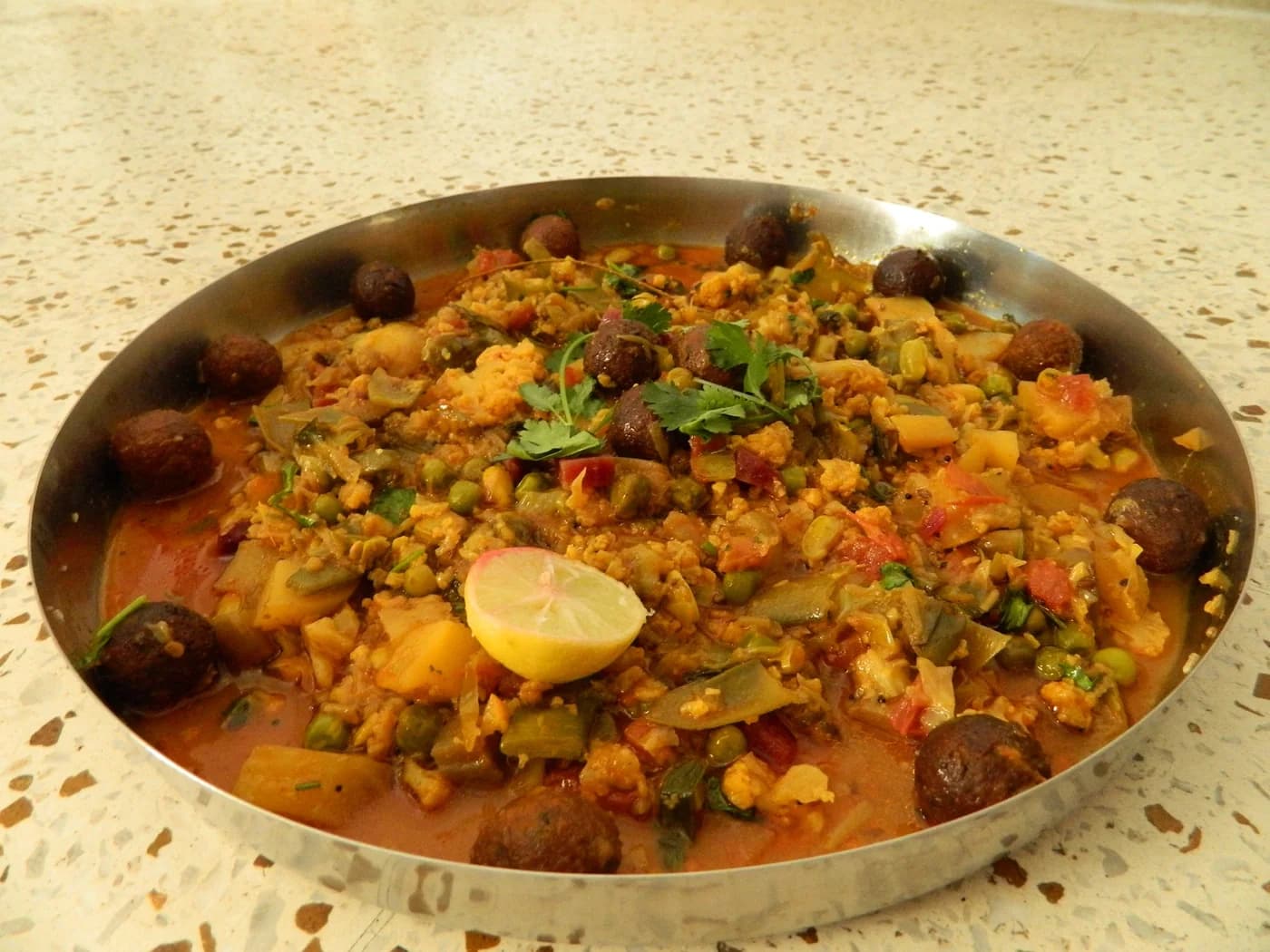
Undhiyu
Undhiyu is Gujarat's elaborate winter vegetable dish, traditionally cooked slowly with seasonal beans, roots, green masala and fenugreek dumplings. Its name refers to the old upside-down earthen-pot method.
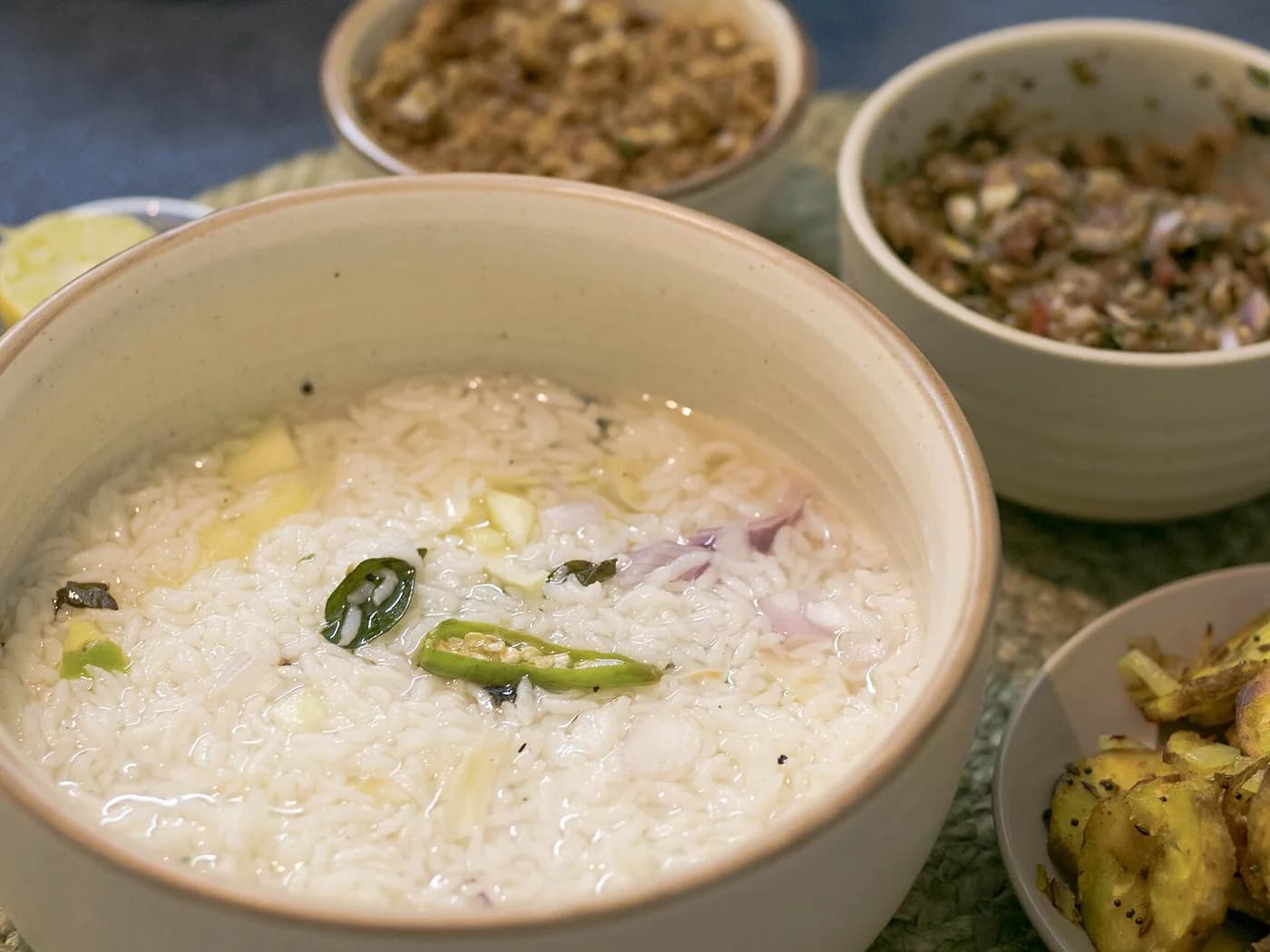
Pakhala bhata
Pakhala bhata is Odisha's cooling rice dish, in which cooked rice rests in water and is served lightly fermented or freshly soaked. Yogurt, ginger and a fragrant mustard-seed tempering make it especially refreshing in hot weather.
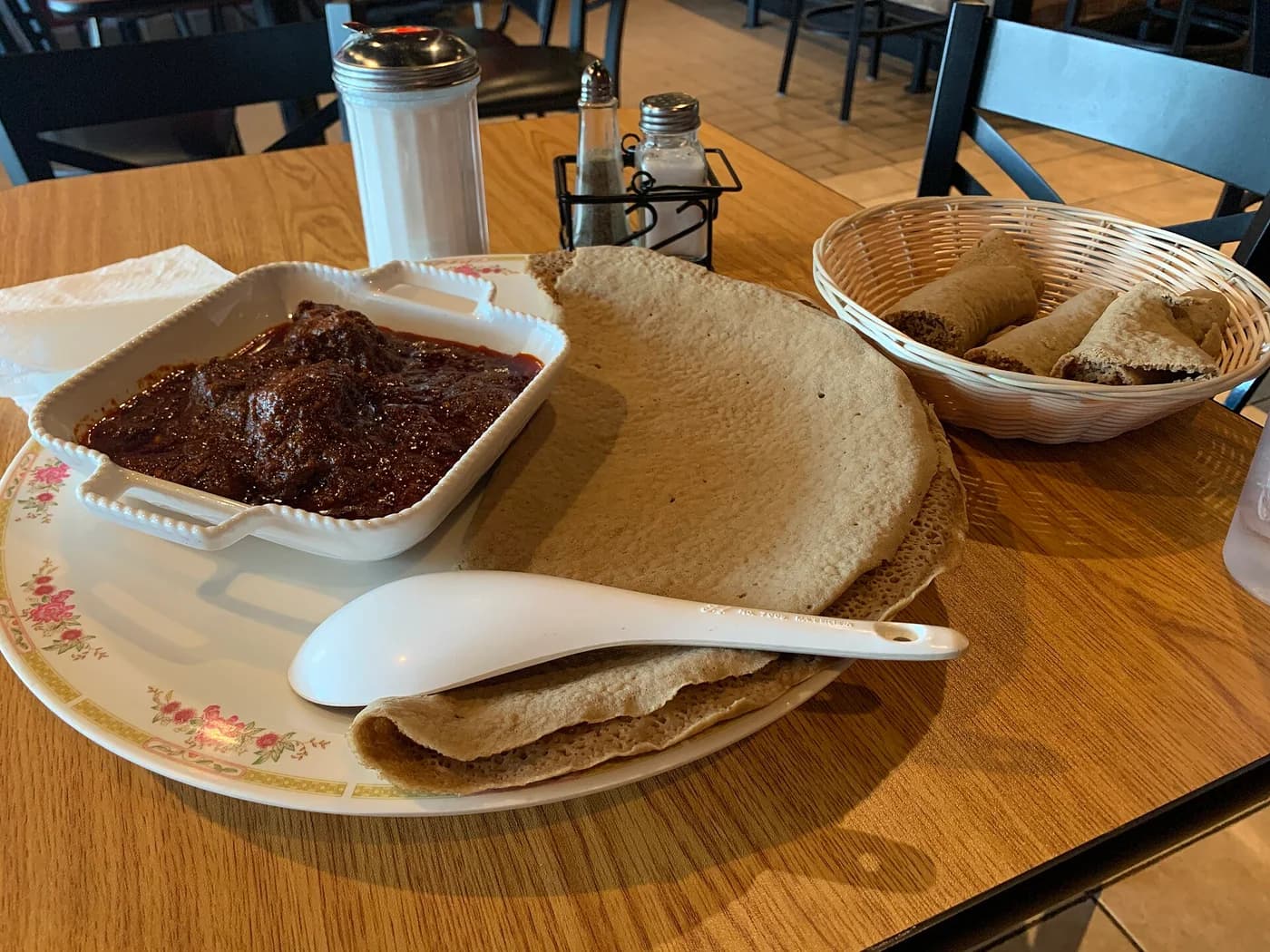
Zigni
Zigni is an Eritrean slow-cooked beef stew with a concentrated onion base, berbere and tomatoes. Long cooking softens both meat and spice into a rich sauce for injera.
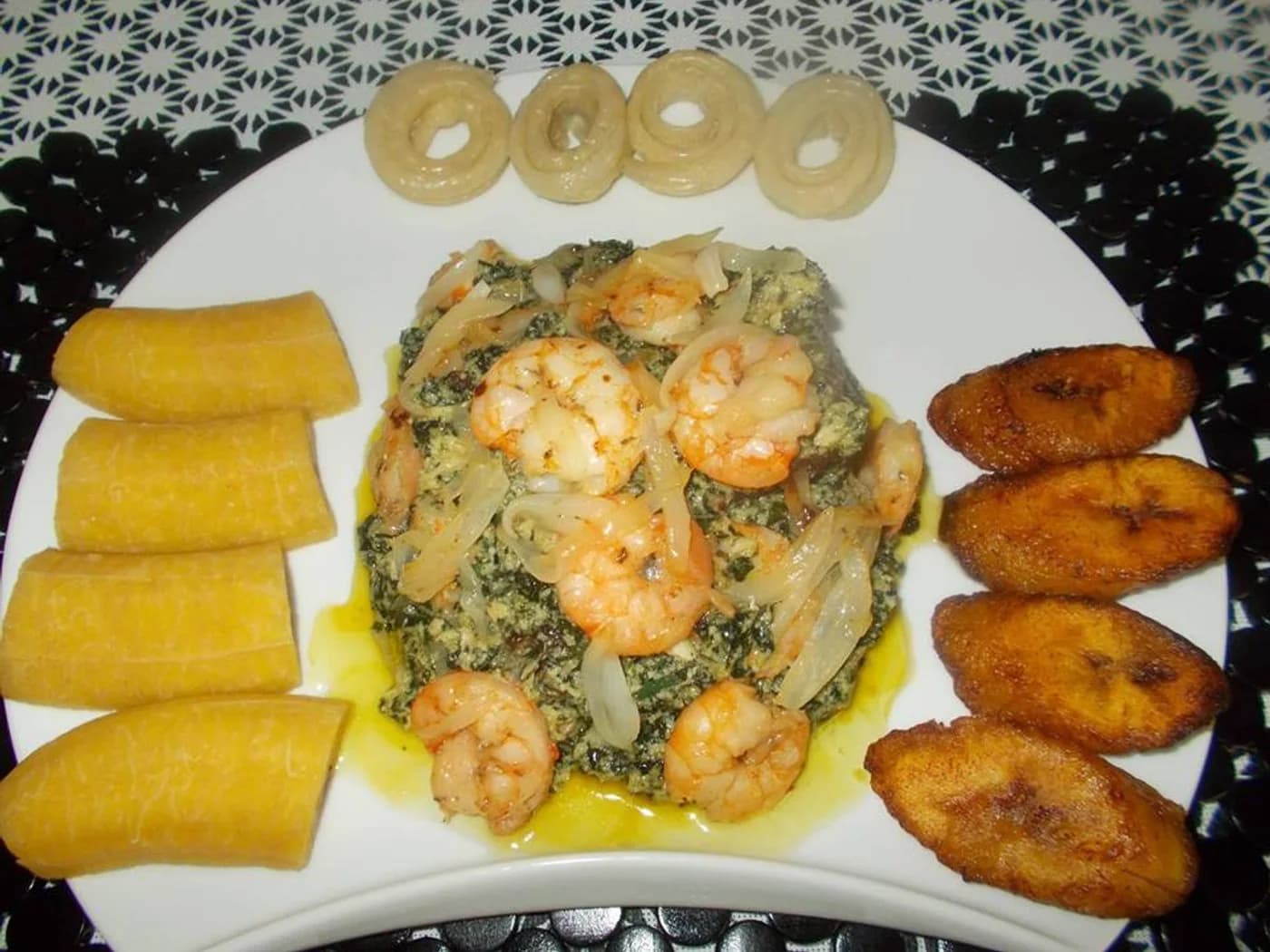
Ndolé
Ndolé is Cameroon's celebrated bitterleaf stew, thickened with ground peanuts and enriched with beef, smoked fish or prawns. Careful washing balances the leaf's pleasant bitterness.
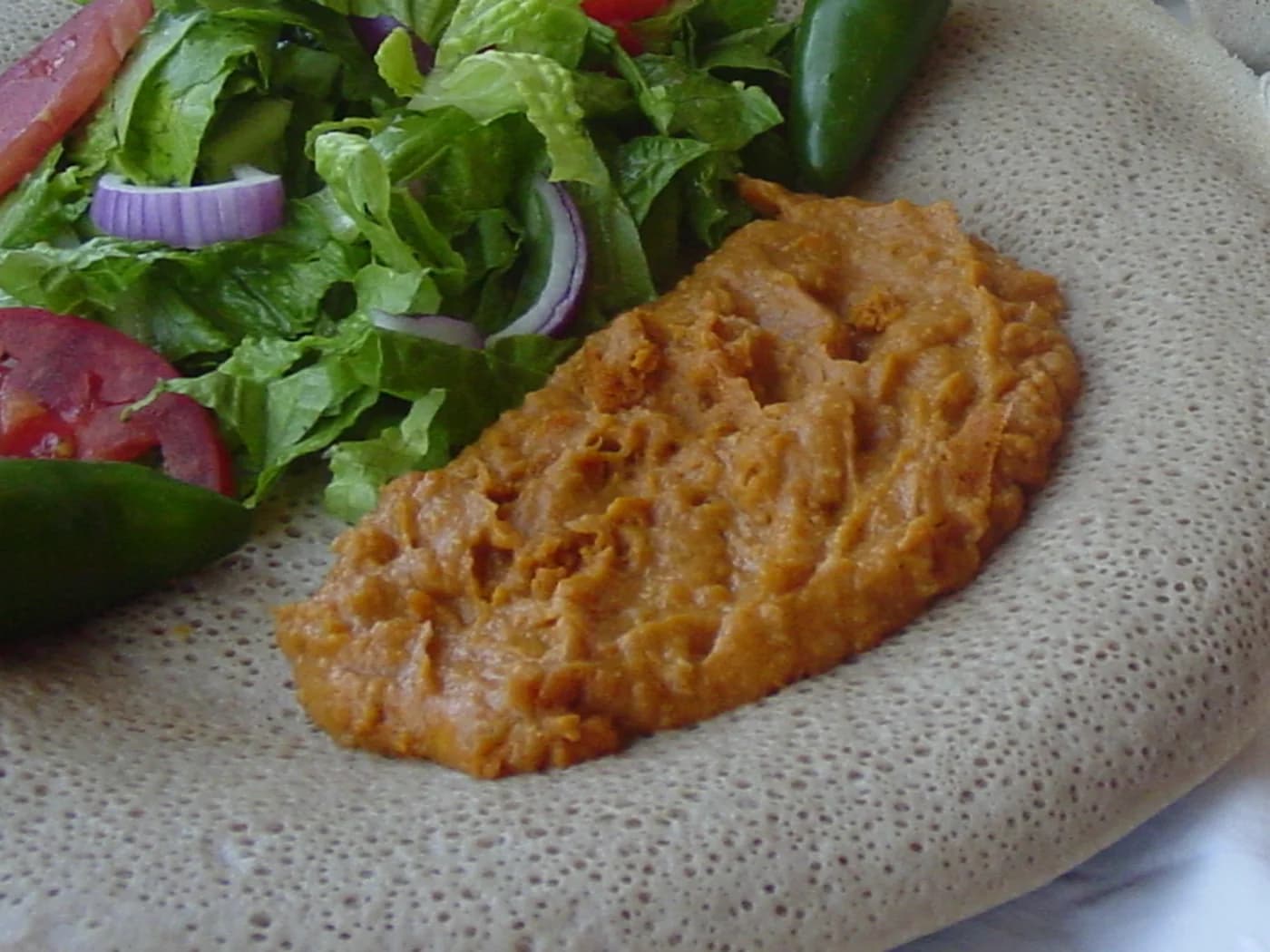
Shiro wat
Shiro wat is a smooth Ethiopian stew made from seasoned chickpea flour, onions and berbere. Constant whisking produces a silky, deeply spiced sauce suited to fasting meals.
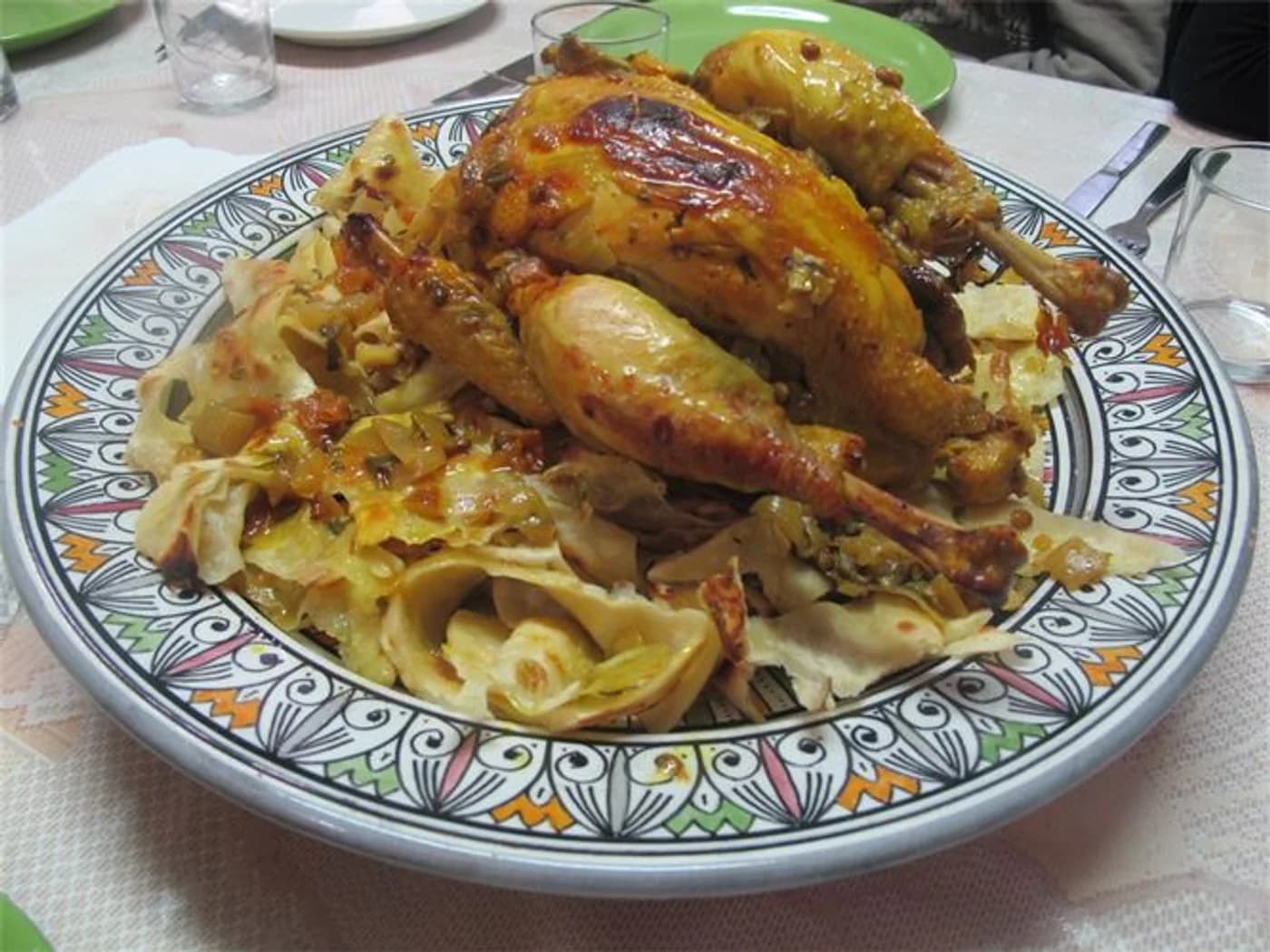
Rfissa
Rfissa is a Moroccan celebratory platter of shredded msemen or trid pastry soaked with aromatic chicken, lentil and fenugreek broth. Ras el hanout and saffron perfume the sauce.
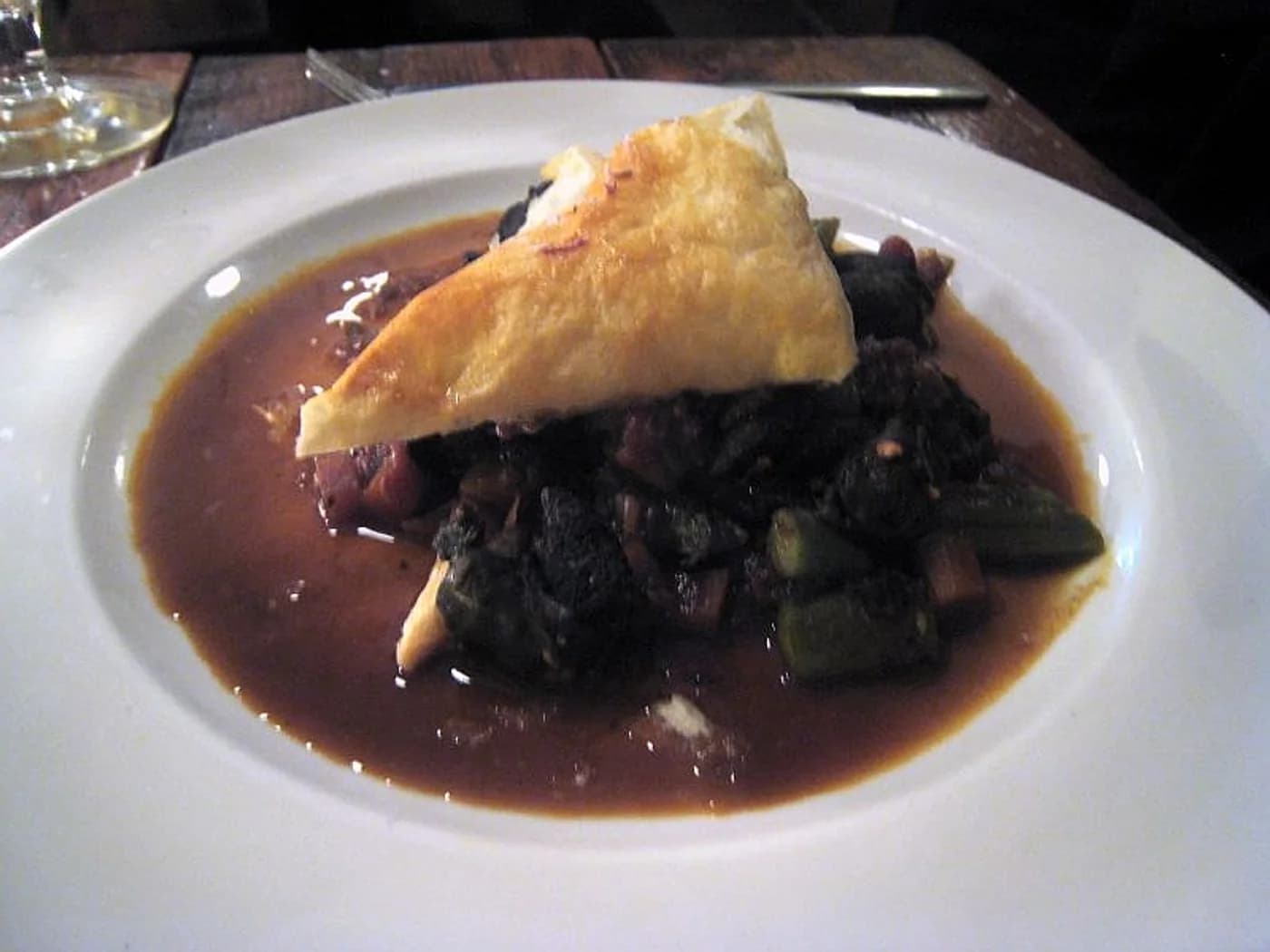
Kedjenou
Kedjenou is an Ivorian chicken stew cooked in a tightly sealed pot with vegetables and almost no added liquid. Shaking rather than stirring preserves the concentrated juices.
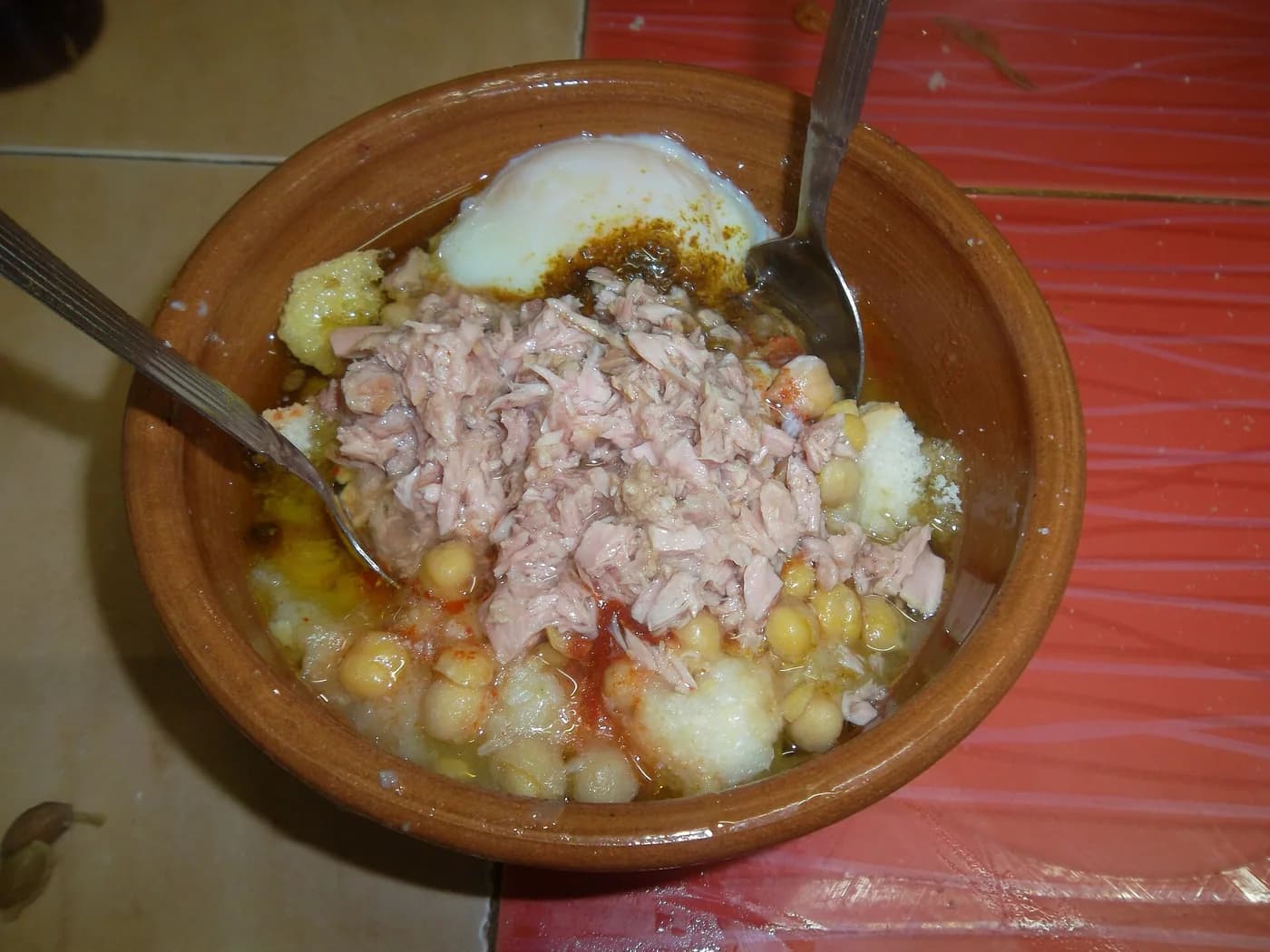
Lablabi
Lablabi is a Tunisian chickpea soup assembled over torn day-old bread with garlic, cumin, harissa, lemon and olive oil. Its customisable garnishes make a humble bowl intensely aromatic.
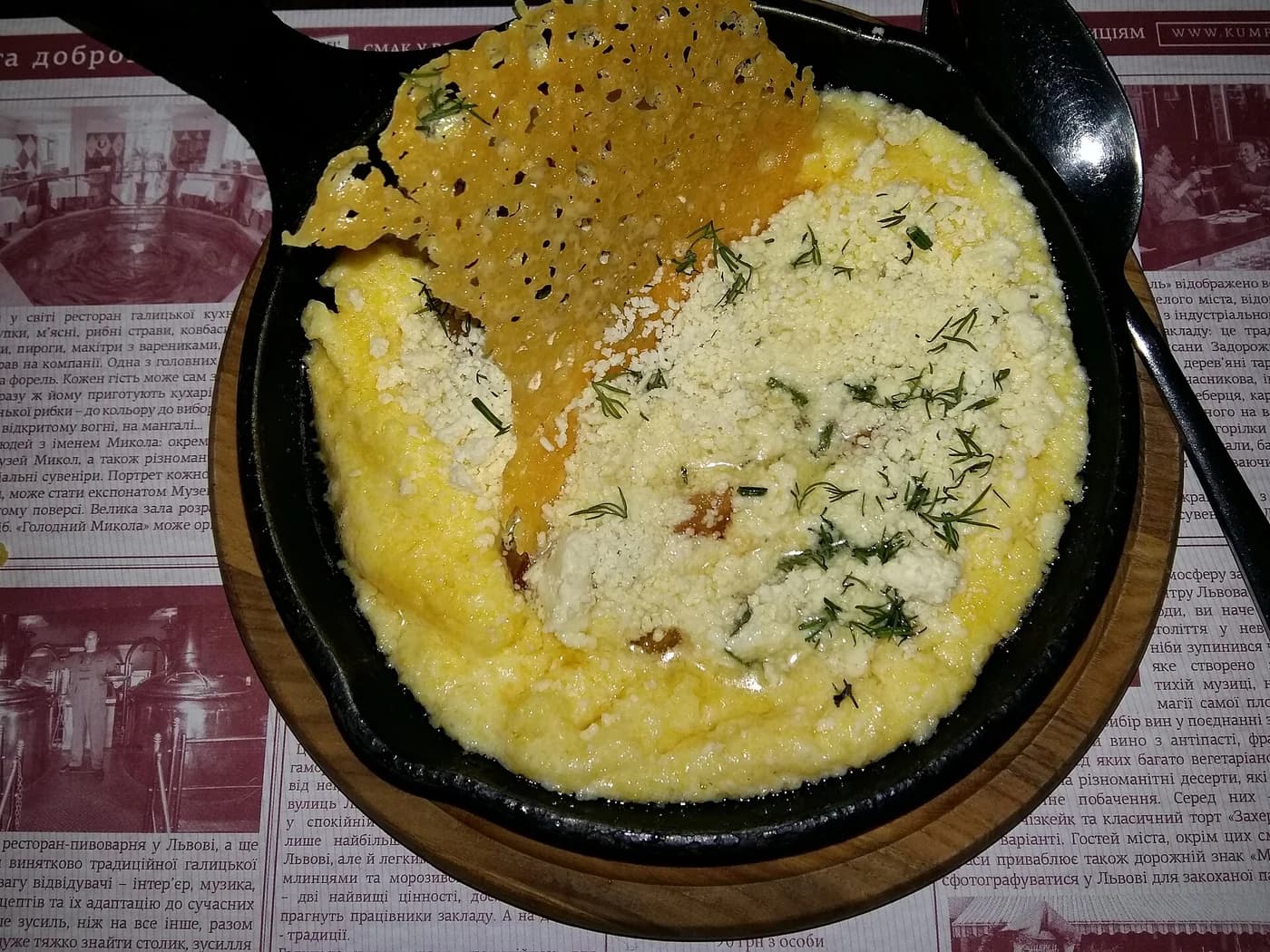
Banosh
Banosh is a Hutsul Carpathian cornmeal dish cooked with sour cream until silky, then topped with bryndza cheese, mushrooms or crisp pork.
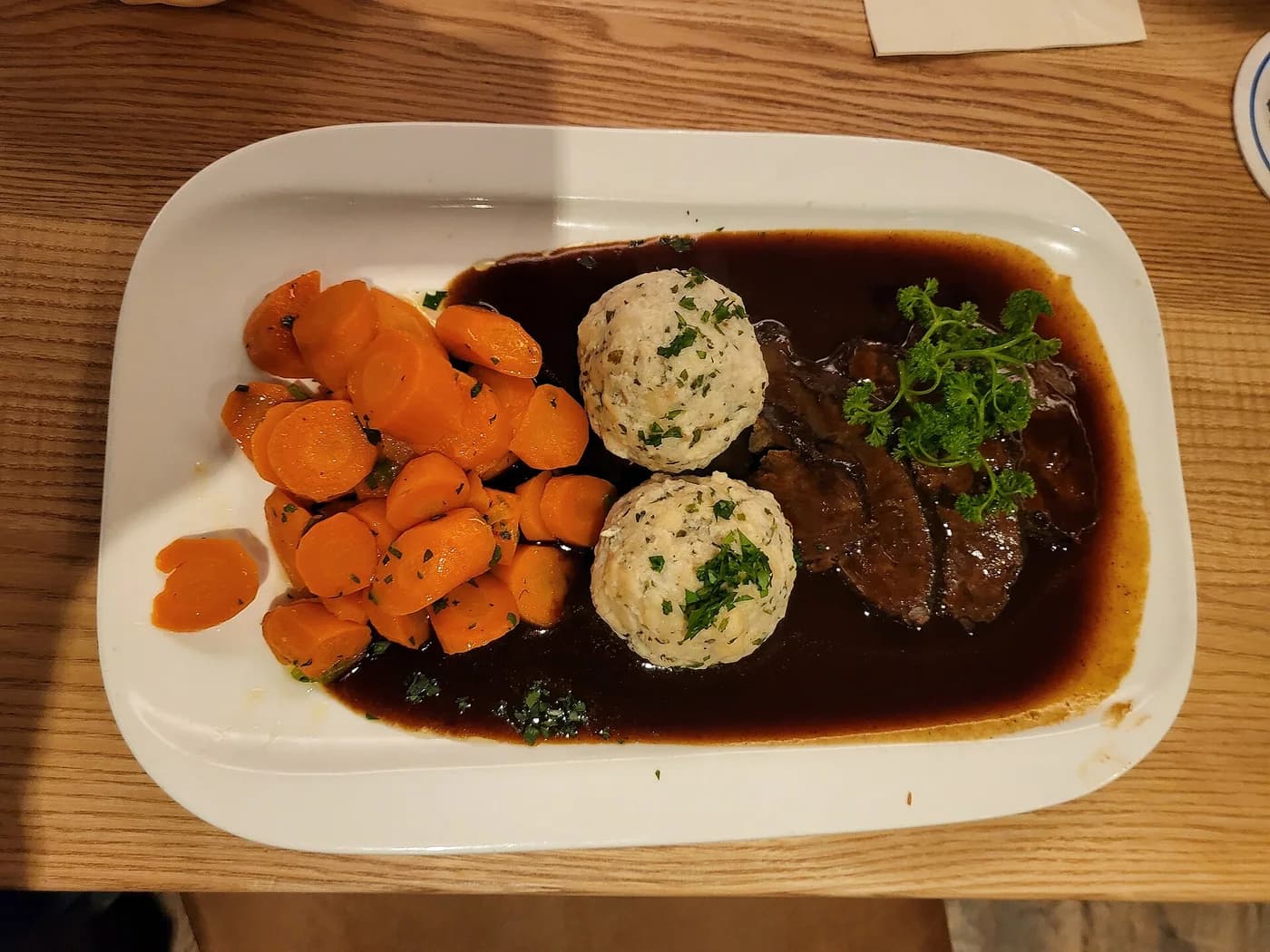
Canederli
Canederli are Alpine bread dumplings from northern Italy, made from stale bread, milk, egg and often speck. They are served in broth or with butter and cheese.
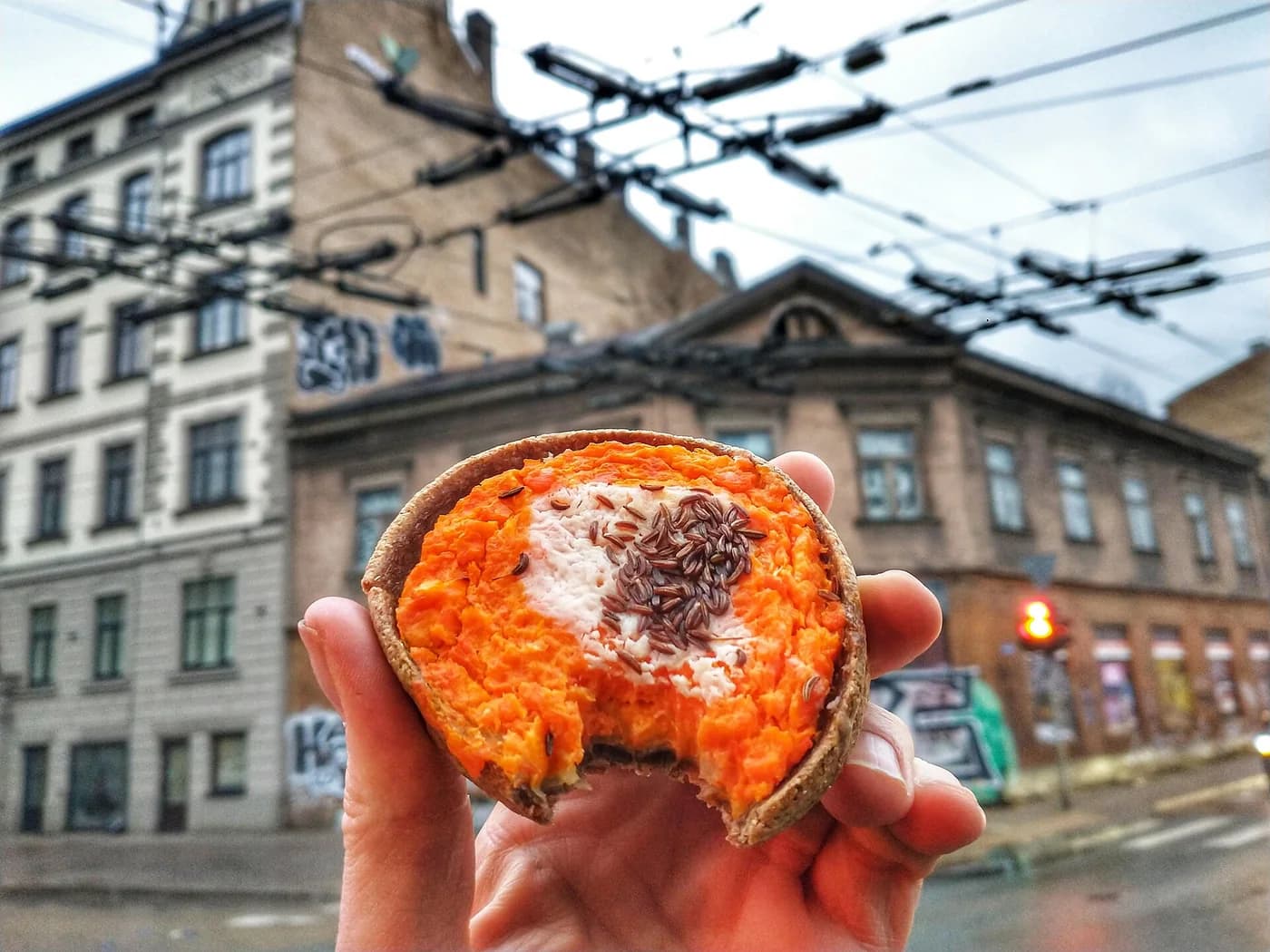
Sklandrausis
Sklandrausis is a Latvian rye tart with layered potato and sweet carrot fillings, finished with caraway and sour cream. Its raised folded rim gives the protected regional speciality its distinctive shape.
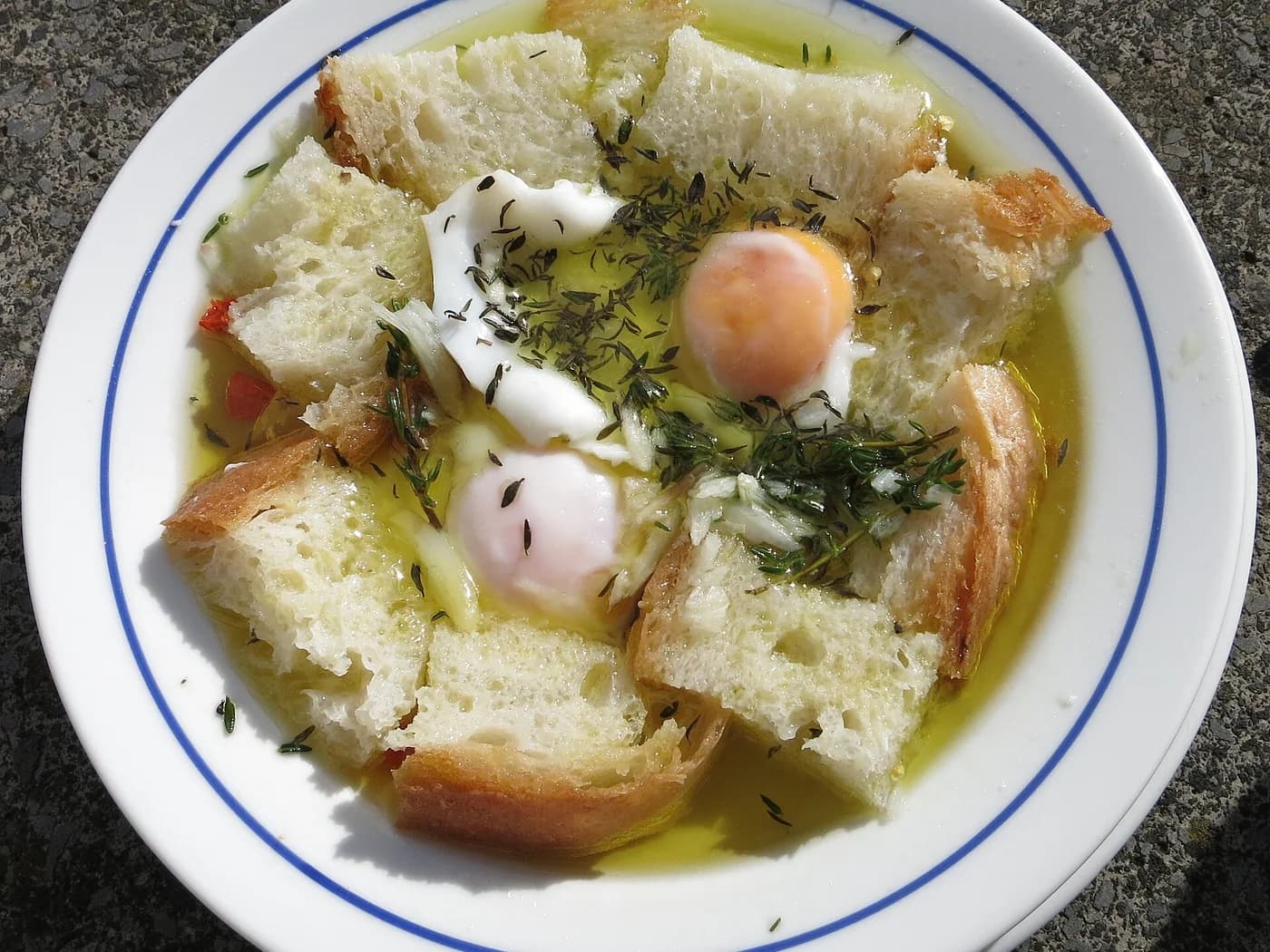
Açorda alentejana
Açorda alentejana is a frugal Portuguese bread soup in which garlic, coriander, olive oil and poached eggs perfume hot water or light stock poured over stale bread.
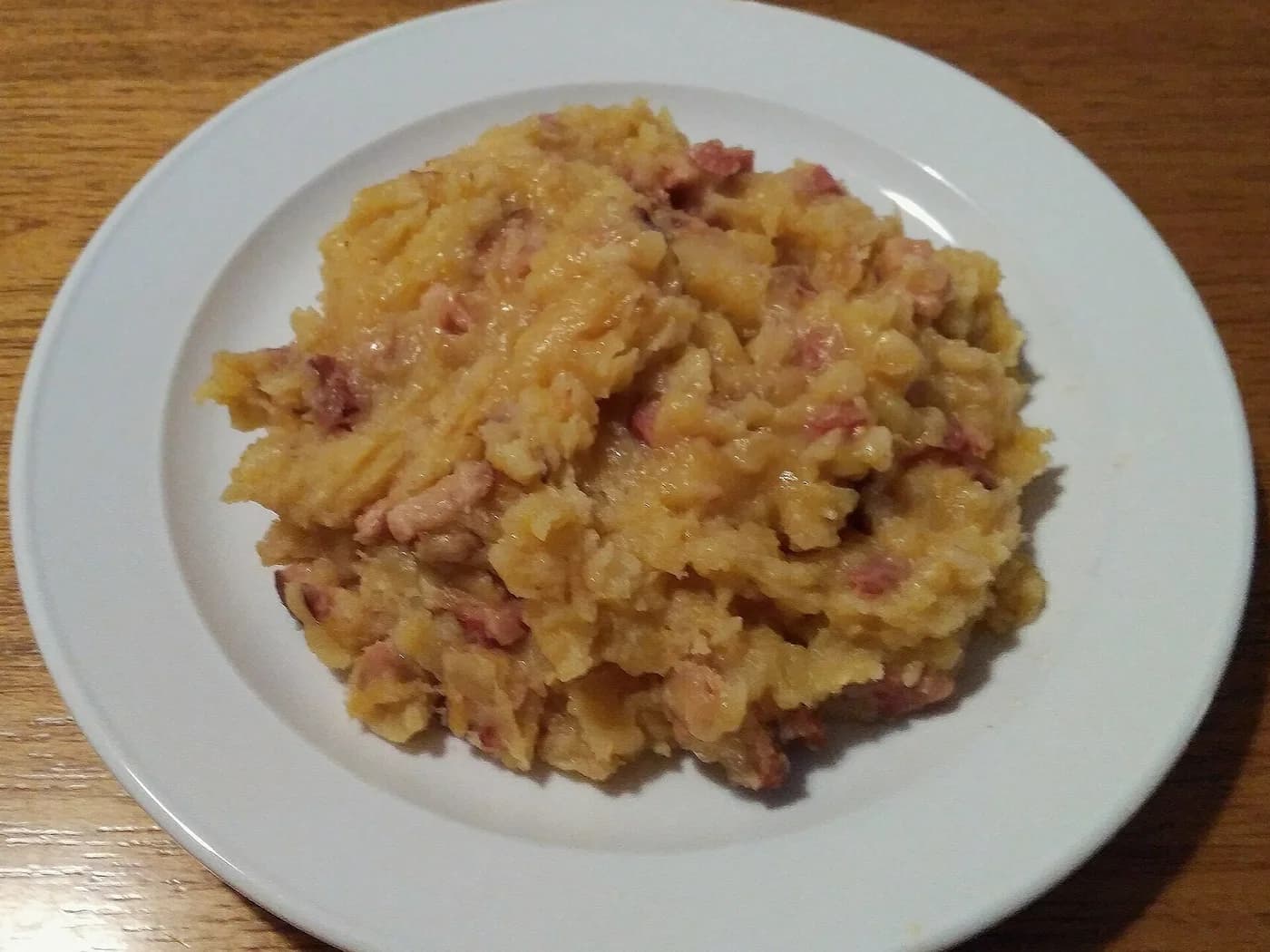
Mulgipuder
Mulgipuder is an Estonian potato and pearl-barley mash from Mulgimaa, traditionally enriched with bacon and onions. Barley gives the soft potatoes a pleasantly chewy texture.
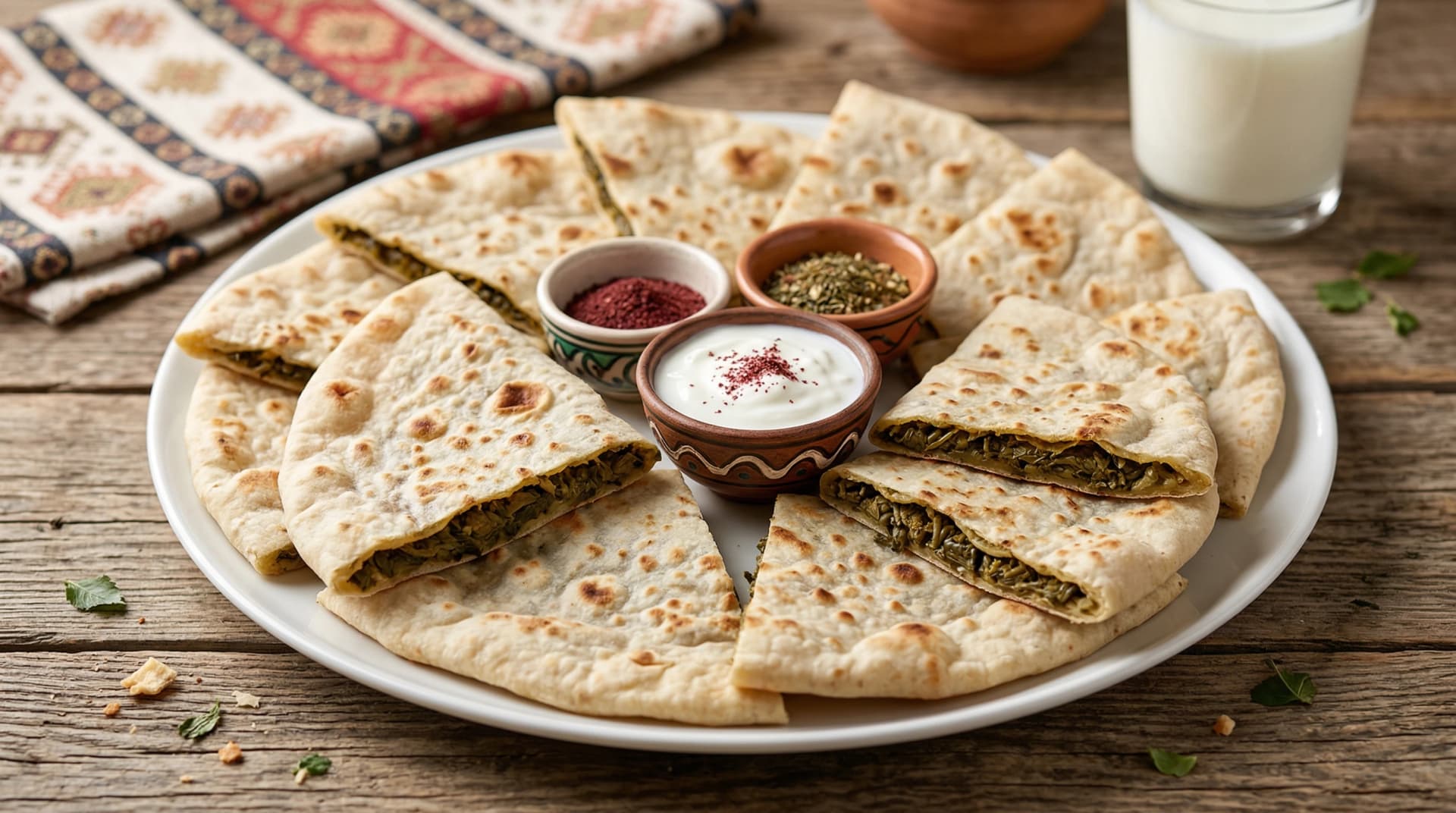
Knotweed Kata
Knotweed kata is one of the traditional dishes of Western Azerbaijani cuisine. A similar dish called khitab in the Zangezur region is prepared with raw butter.
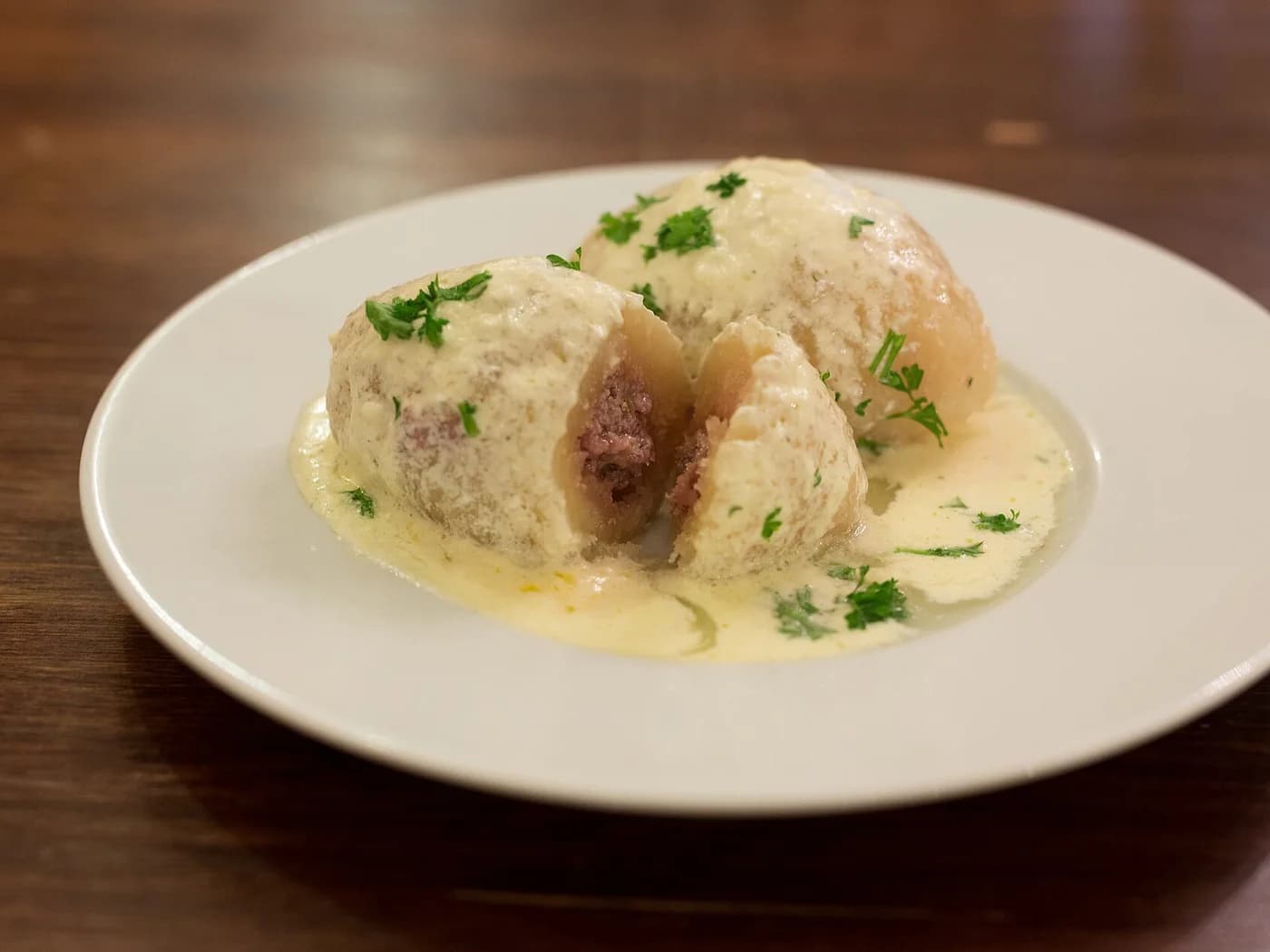
Cepelinai
Cepelinai are Lithuania's zeppelin-shaped potato dumplings, usually filled with seasoned pork and served with bacon-onion sauce and sour cream. A mix of raw and cooked potato gives the casing structure.
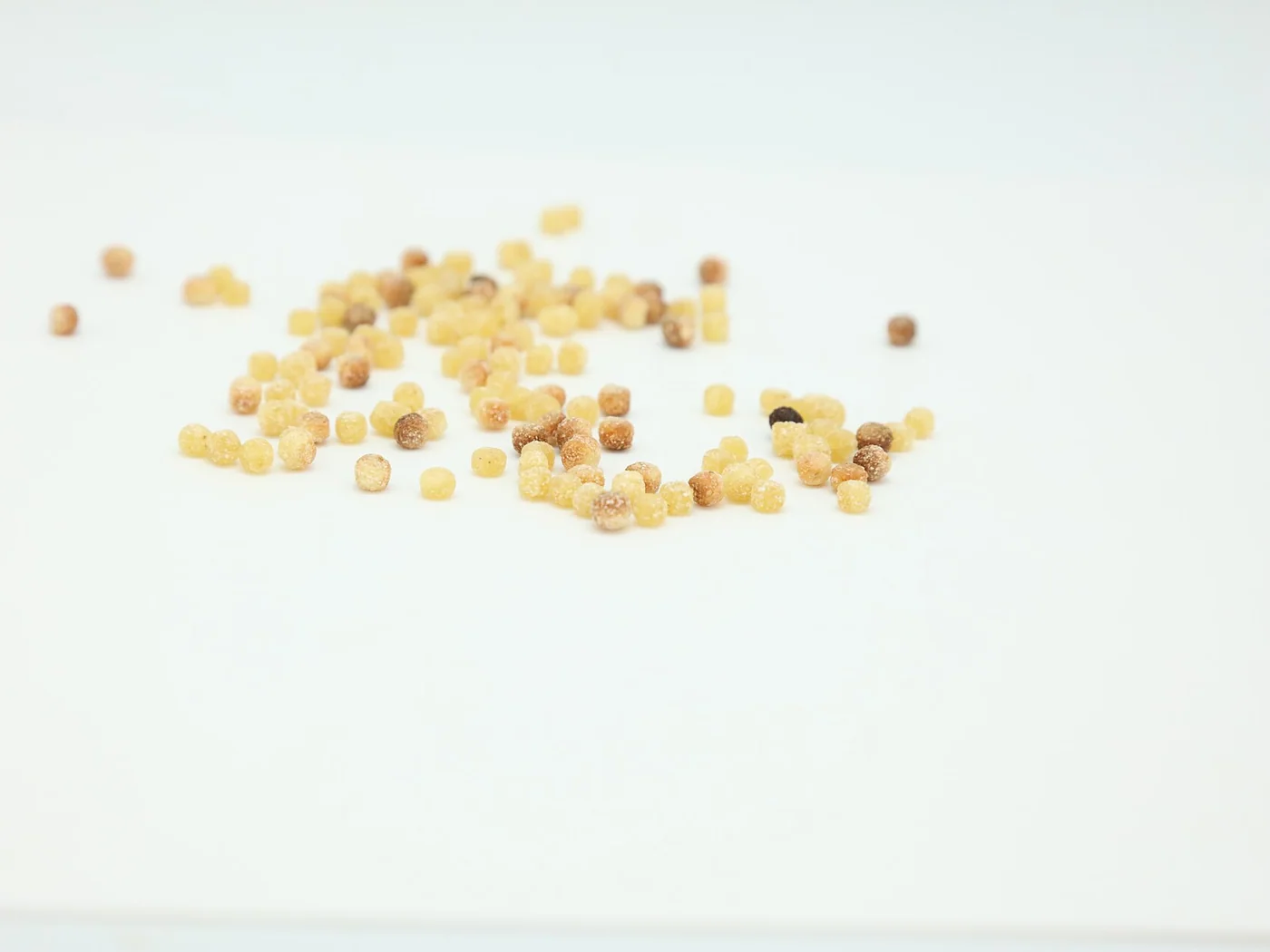
Fregola con arselle
This Sardinian coastal dish cooks toasted fregola pasta with small clams, tomato and their briny liquor. The result should be loose and glossy rather than dry.
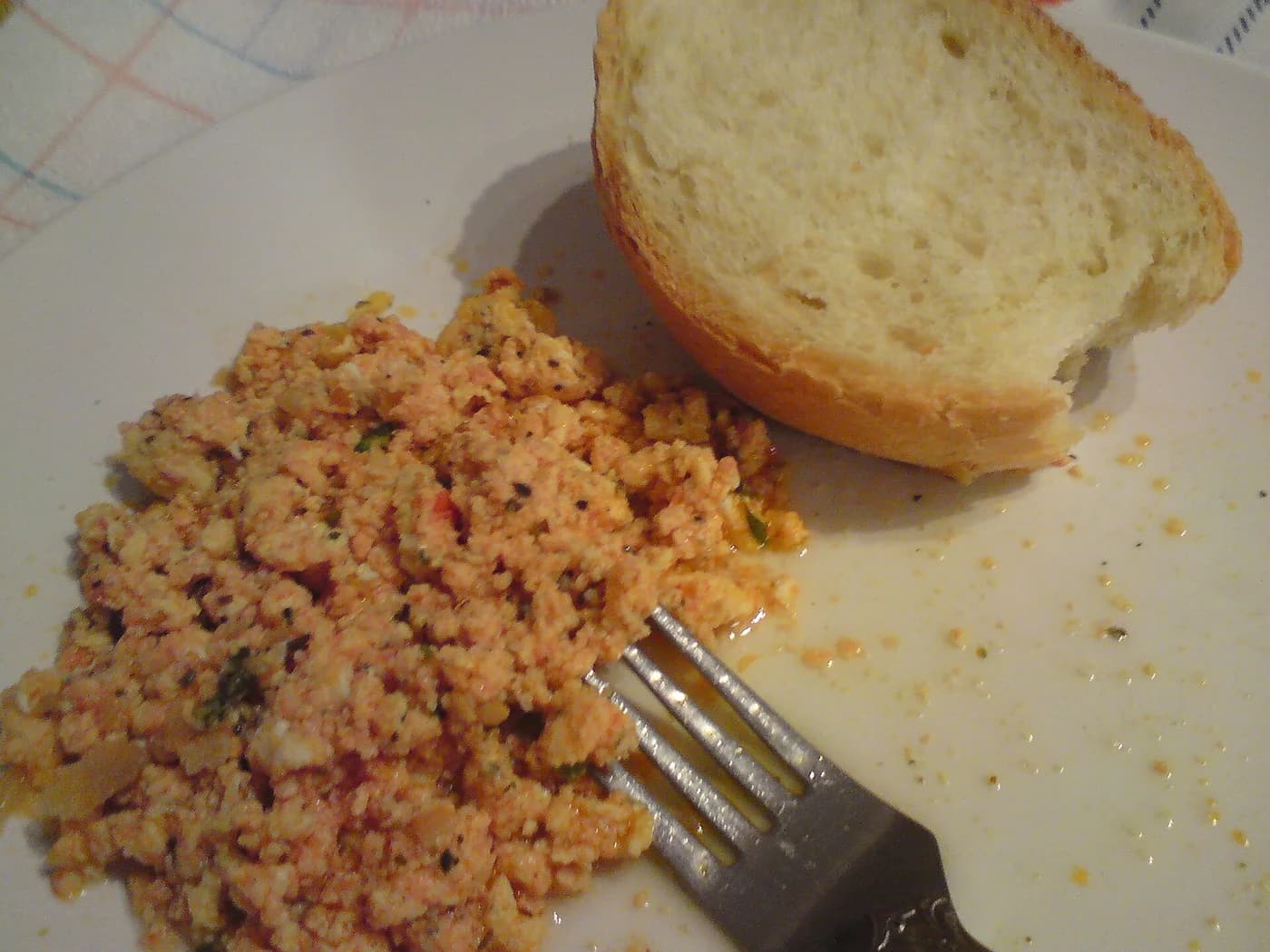
Strapatsada
Strapatsada is a rustic Greek scramble in which ripe tomatoes cook down before eggs and feta are folded through. It is also known as kagianas in parts of Greece.
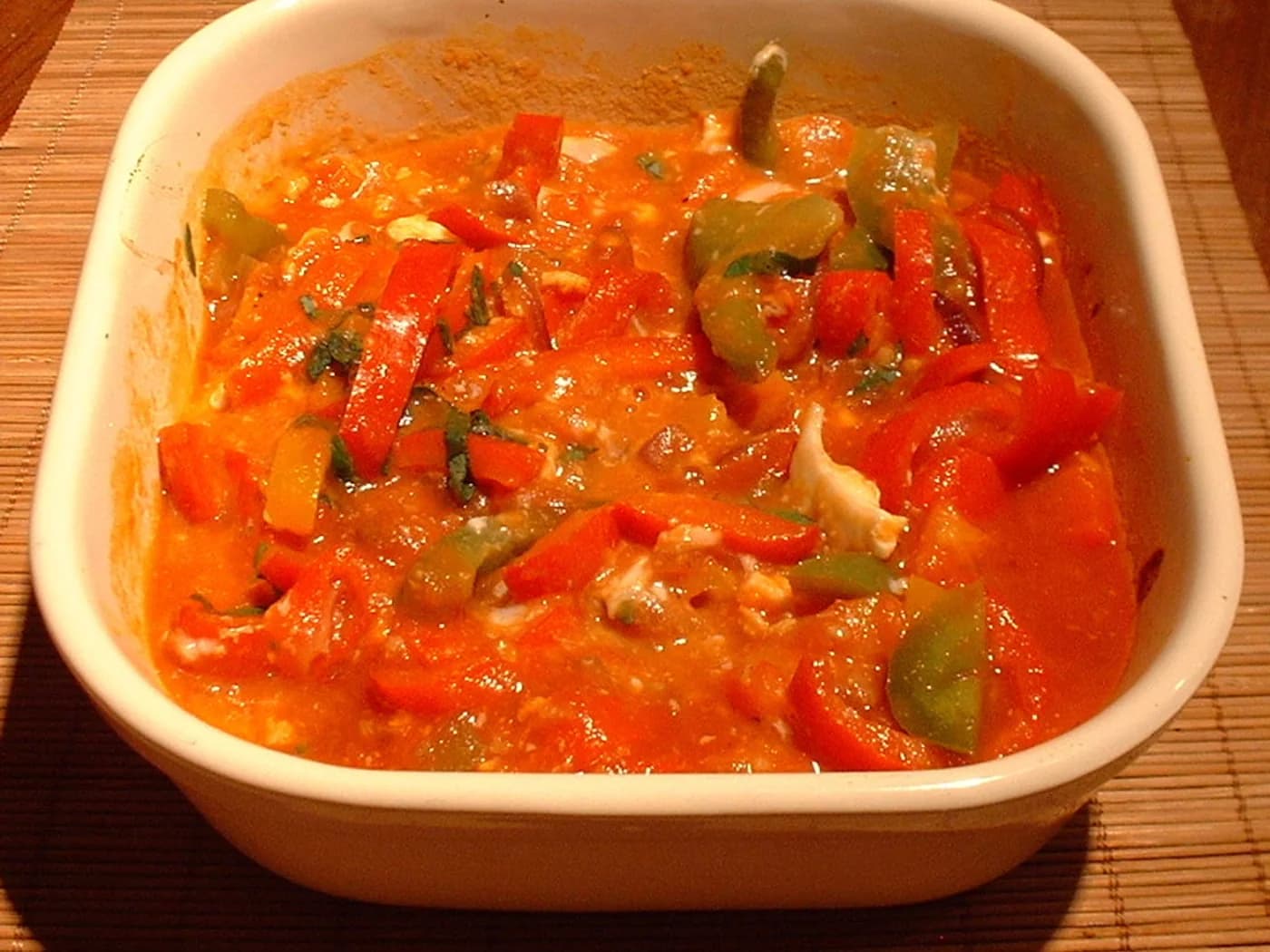
Piperade
Piperade is a Basque mixture of slowly cooked peppers, tomatoes and onions seasoned with piment d'Espelette. Eggs are often folded in for a simple meal, while Bayonne ham is a common accompaniment.
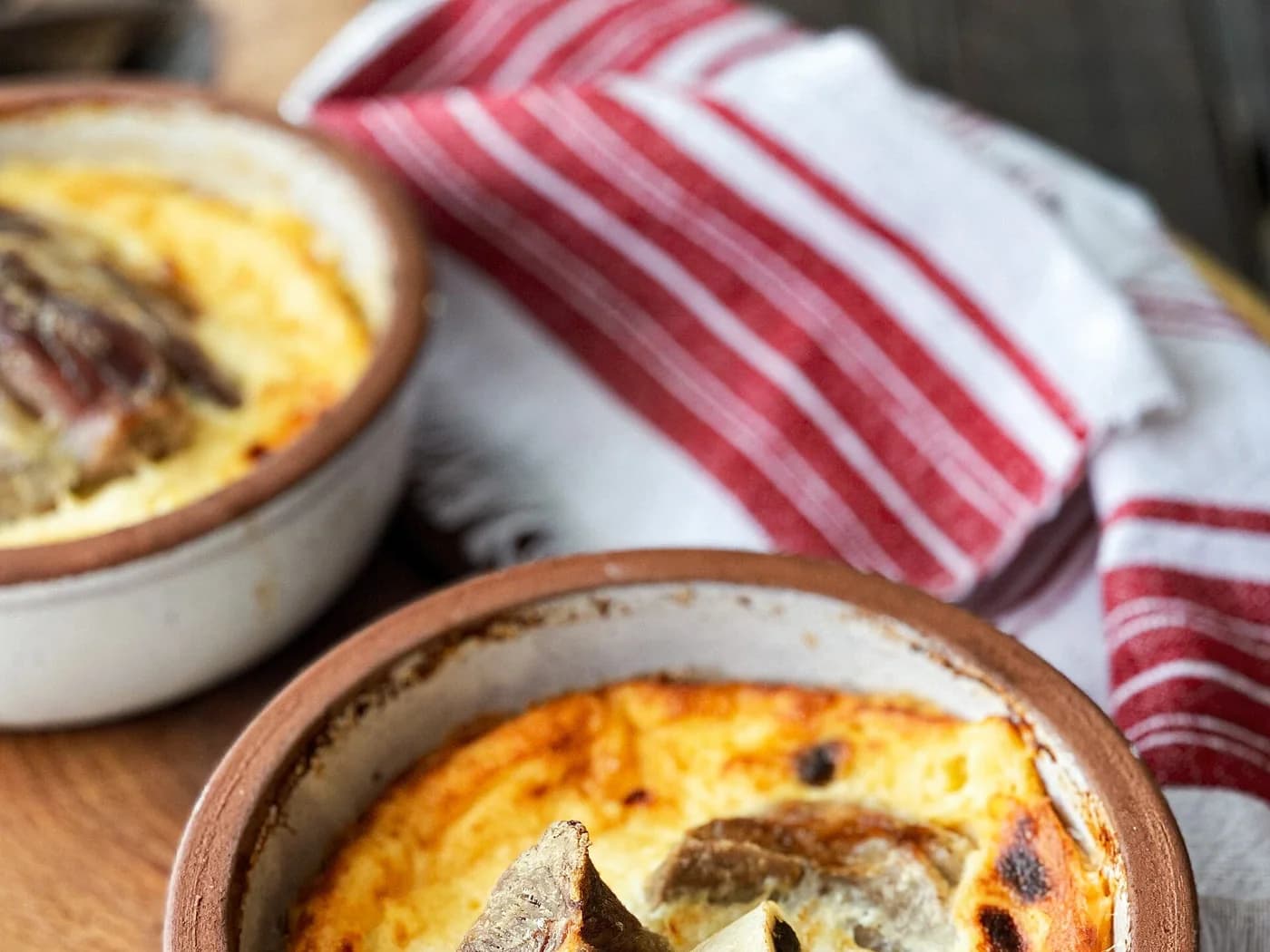
Tavë kosi
Often associated with Elbasan, tavë kosi is Albania's celebrated lamb-and-yogurt casserole. The tangy egg-yogurt topping sets into a light savoury custard over tender meat and rice.
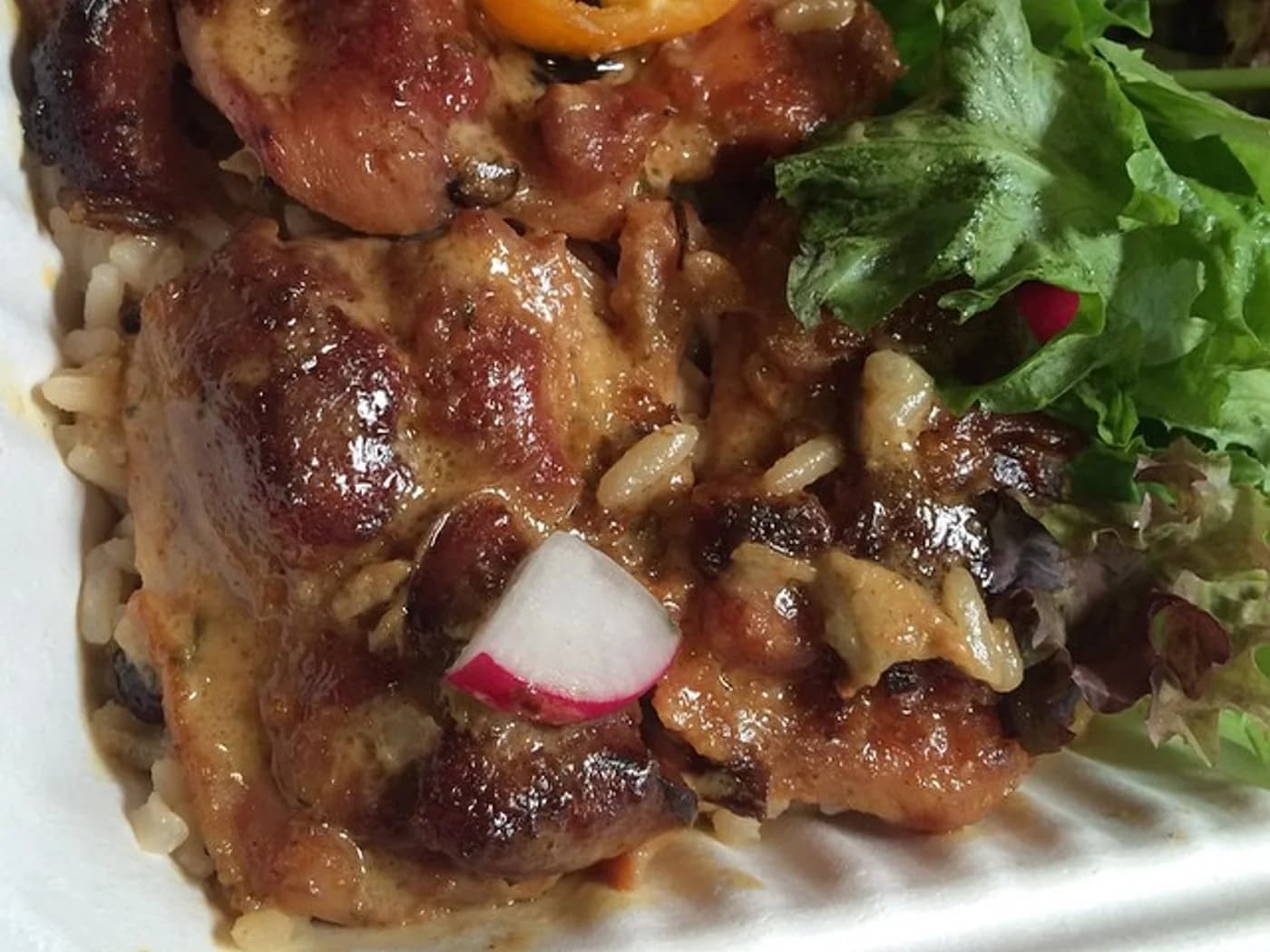
Pelau
Pelau is a Trinidadian one-pot rice dish in which caramelised sugar colours seasoned chicken before pigeon peas, coconut milk and rice are added.
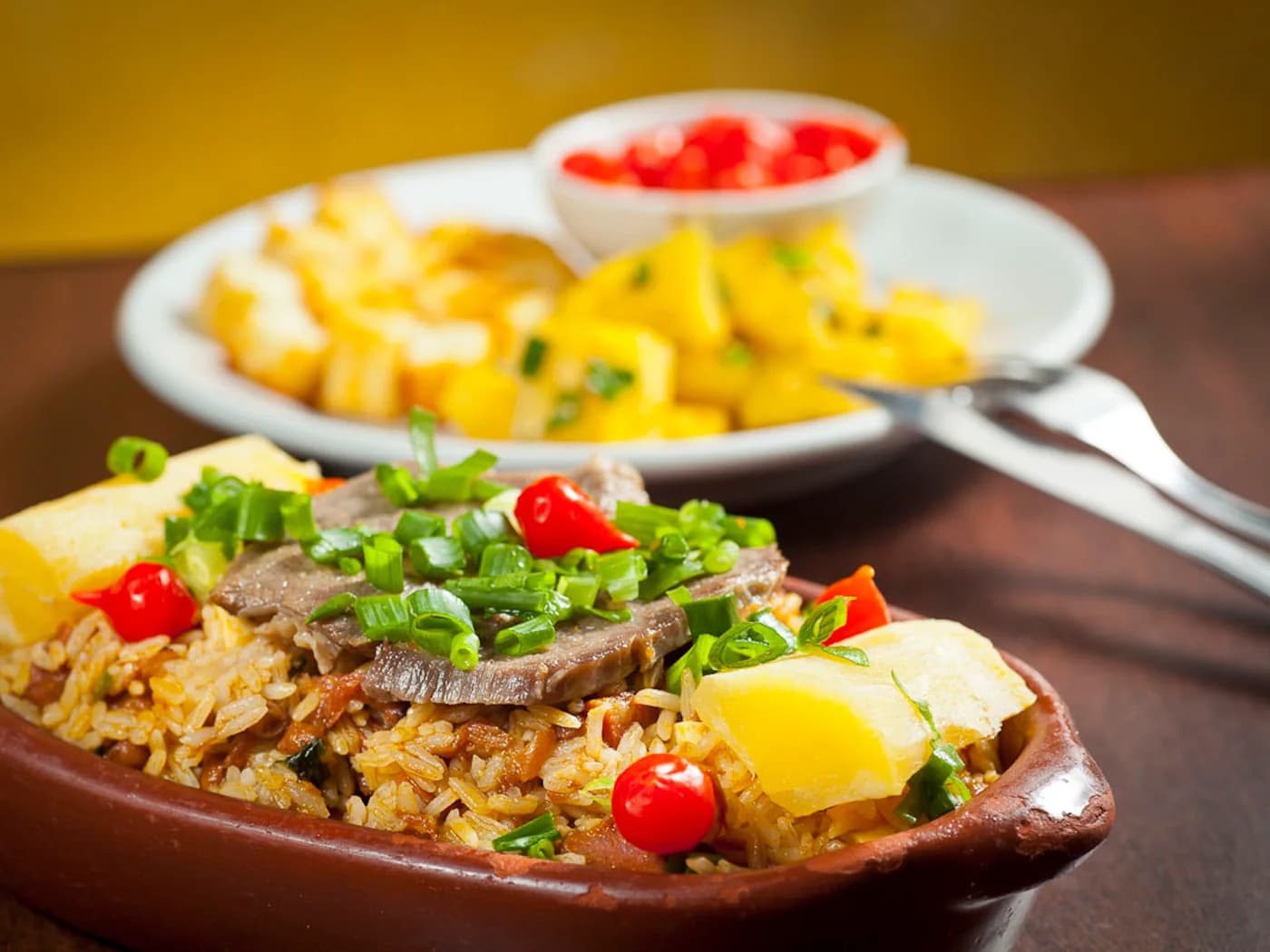
Baião de dois
Baião de dois combines rice and beans in one pot with queijo coalho, herbs and often cured meat. The name references the baião musical rhythm of Brazil's northeast.
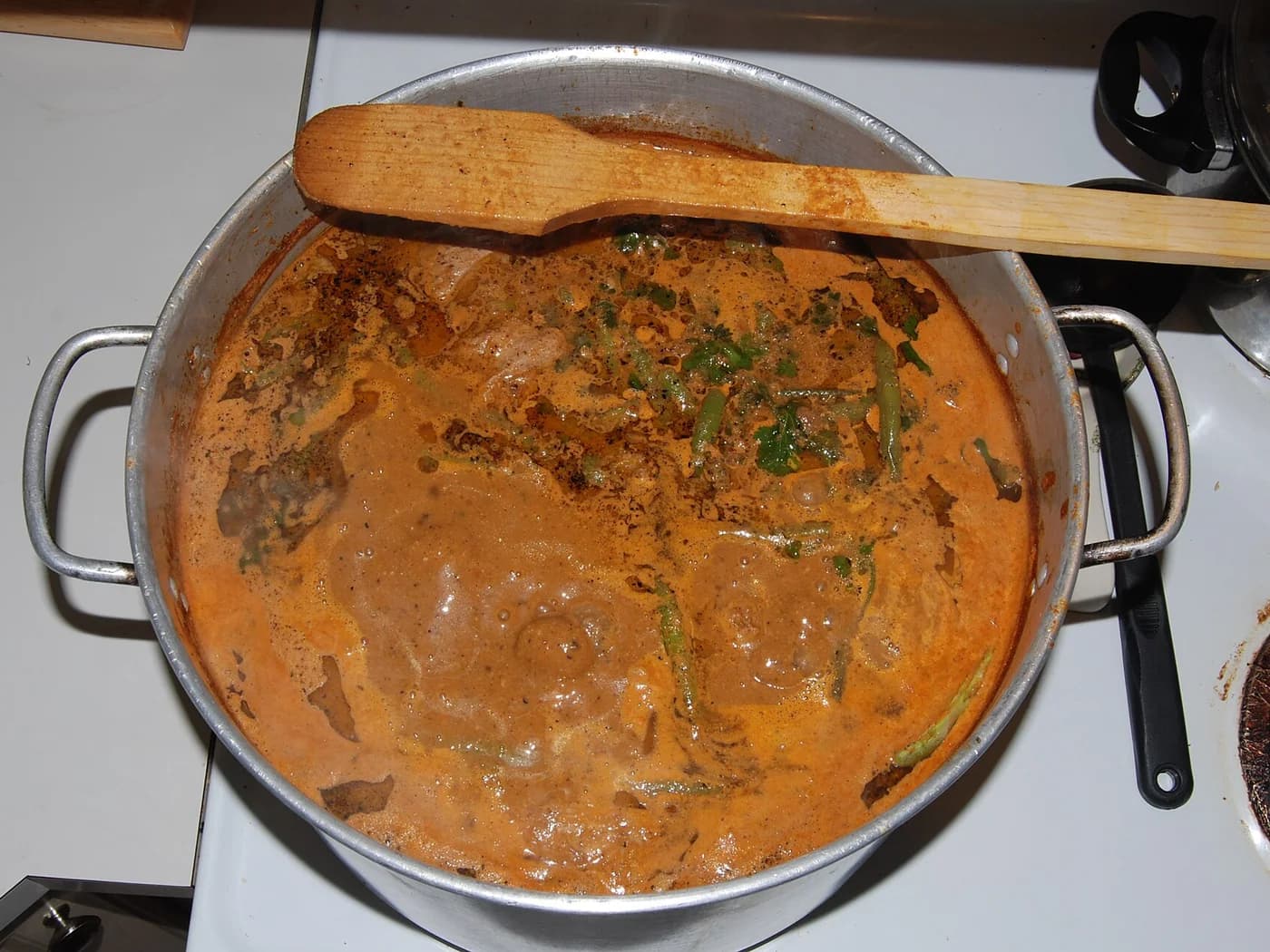
Pepián
Pepián is one of Guatemala's foundational recados: a thick stew whose sauce is built from charred tomatoes, chillies, pumpkin seeds, sesame and toasted spices.
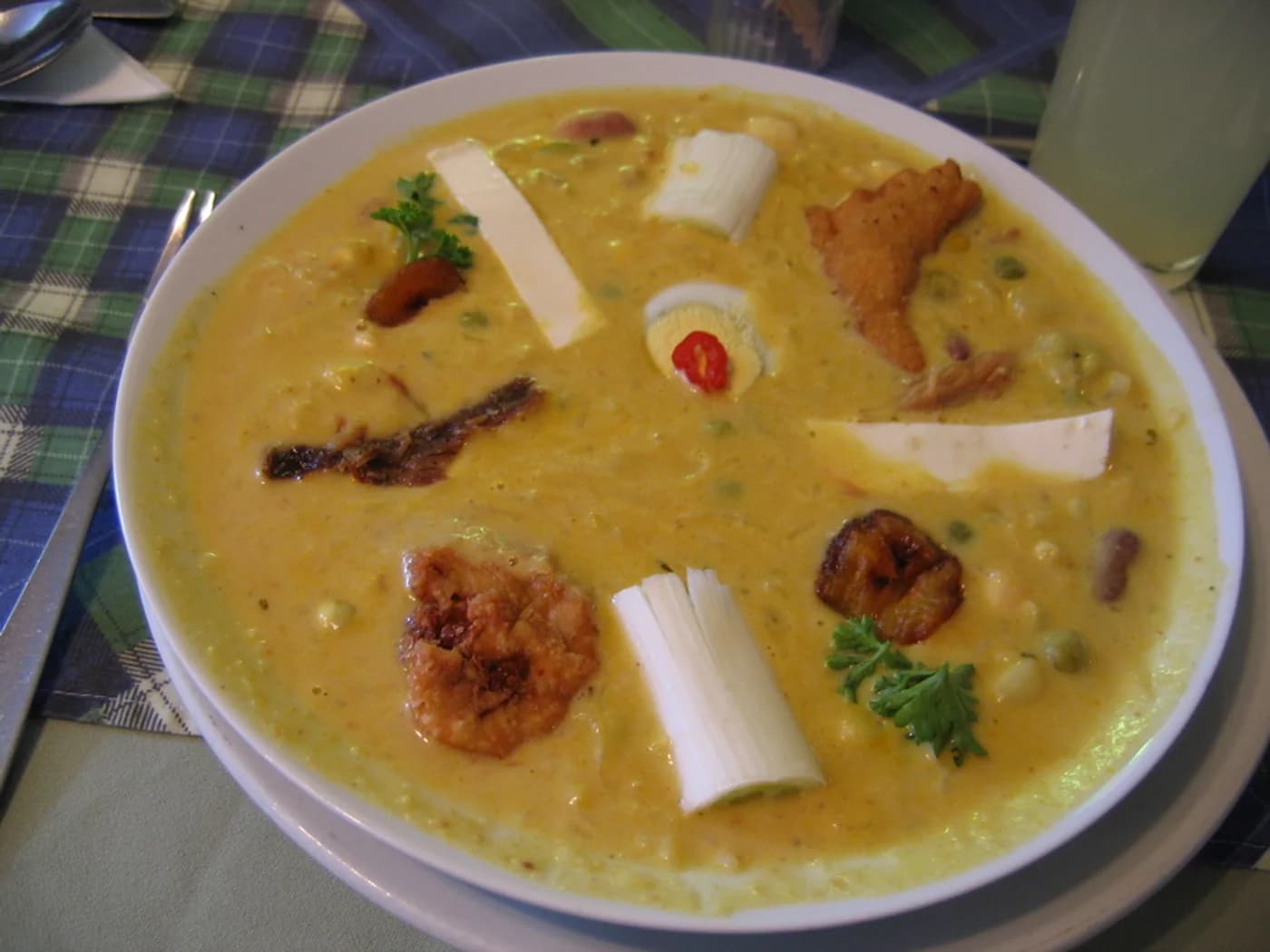
Fanesca
Fanesca is Ecuador's Holy Week soup, traditionally combining salt cod, squash, milk and a symbolic variety of grains and pulses. Families prepare it communally and finish each bowl with colourful garnishes.
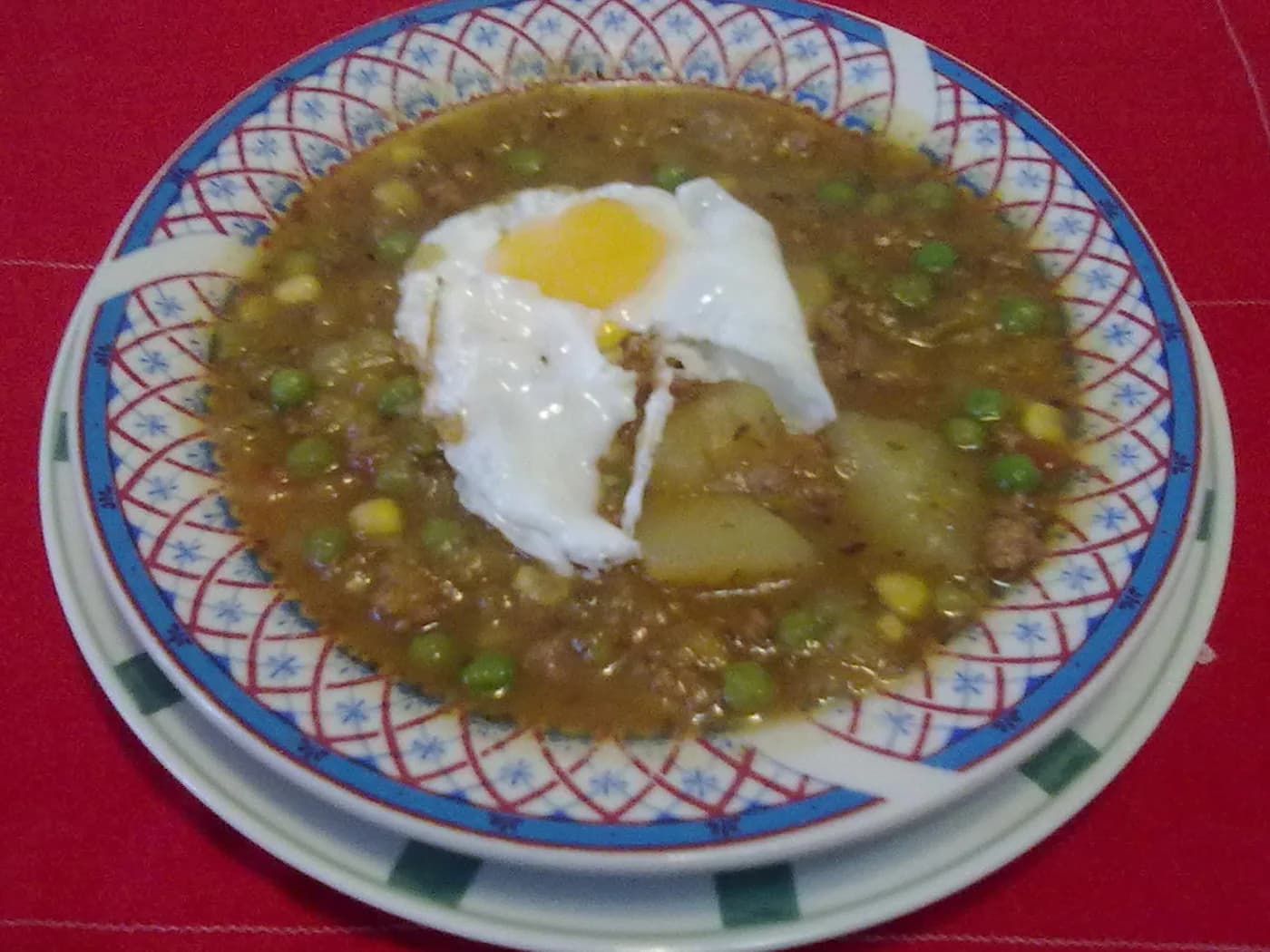
Charquicán
Charquicán is a homestyle Chilean stew of beef, pumpkin, potato and vegetables cooked to a rustic mash. Its name reflects older versions made with dried meat, or charqui.
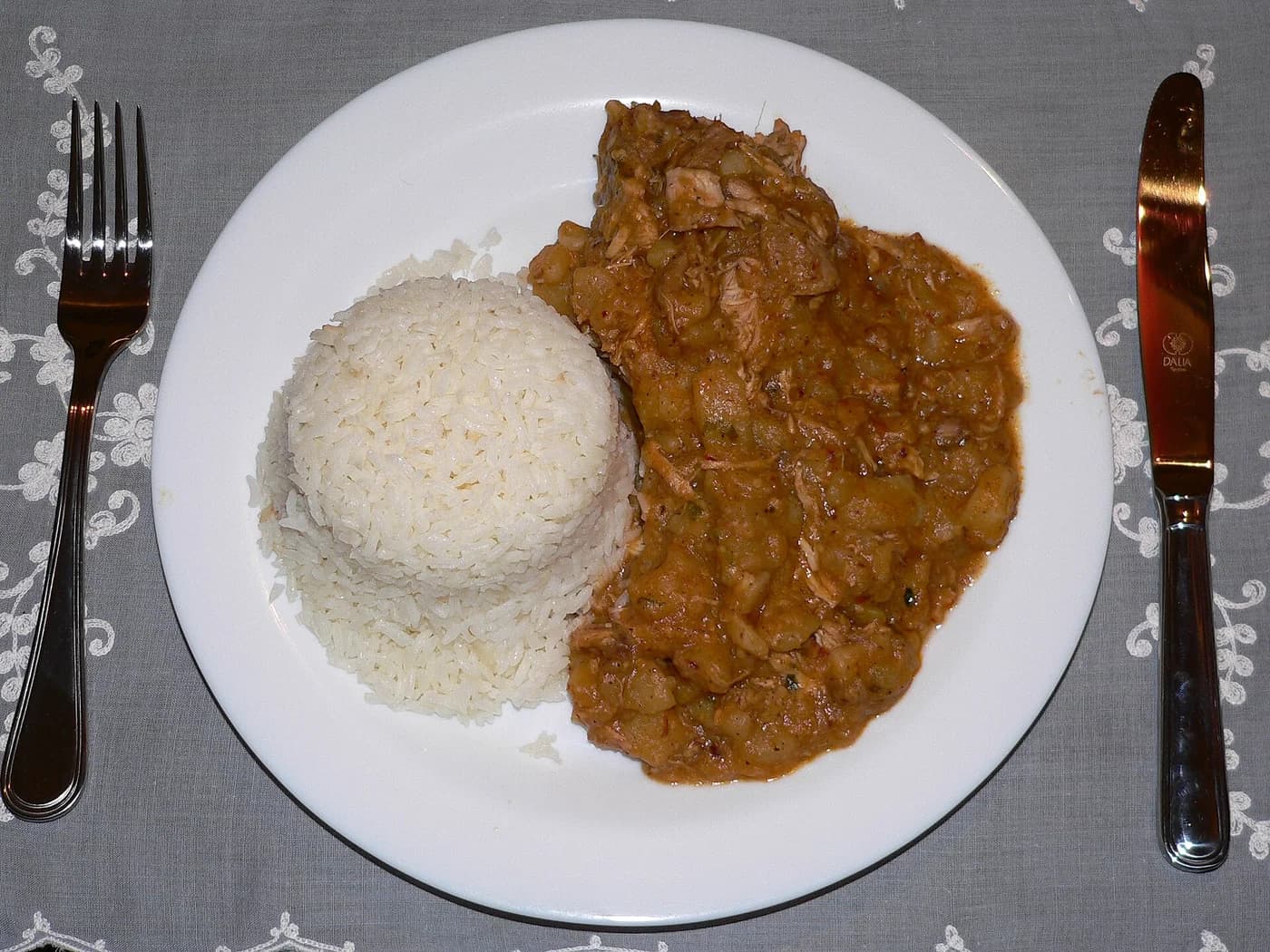
Carapulcra
Carapulcra is an ancient Peruvian stew built around papa seca, sun-dried potato, with pork, peanuts, ají panca and spices. Slow cooking lets the potato absorb the smoky sauce.
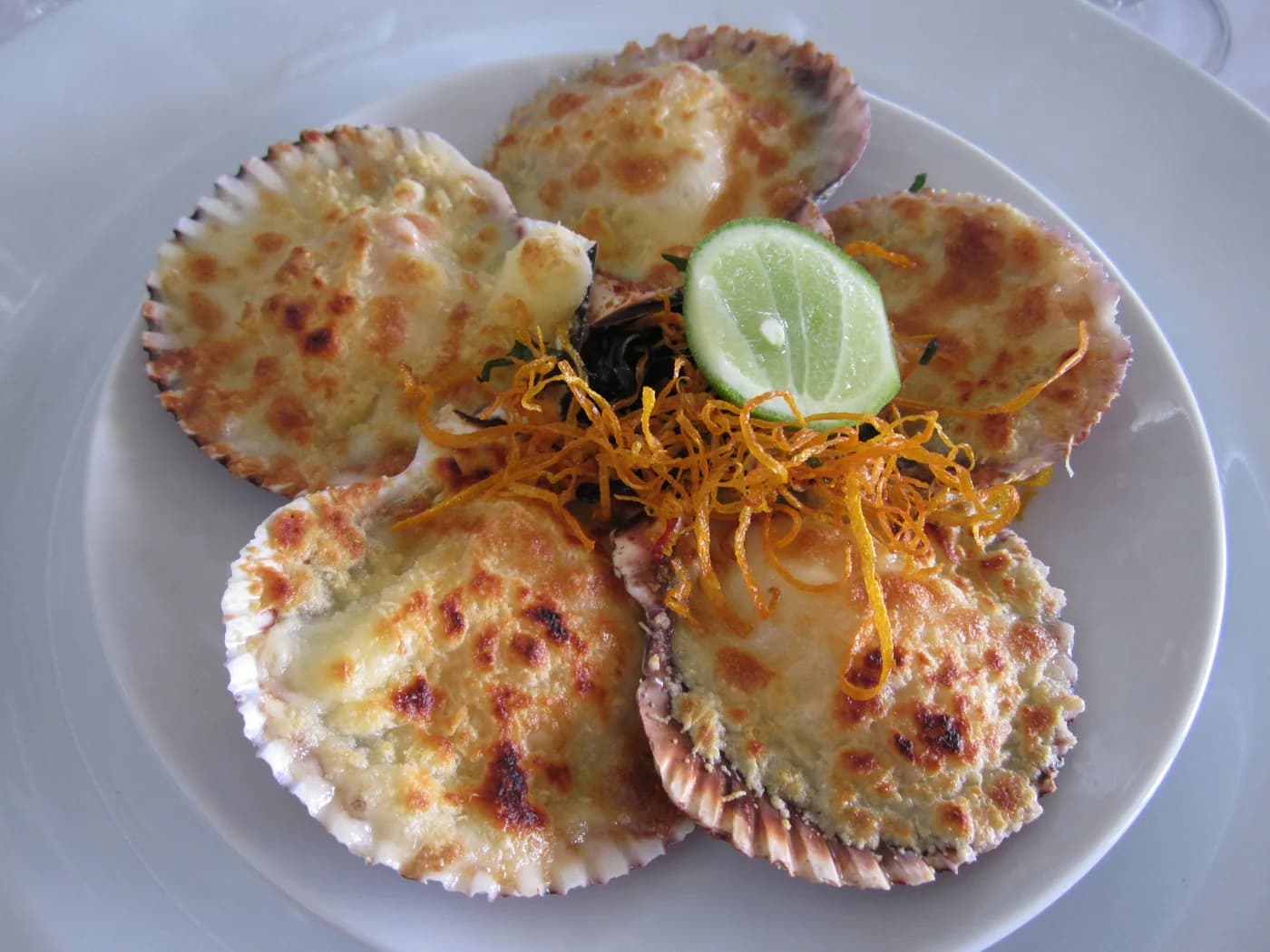
Conchitas a la parmesana
Conchitas a la parmesana are Peruvian scallops baked in their shells with butter, lime, seasoning and Parmesan. High heat keeps the scallops tender while browning the cheese.
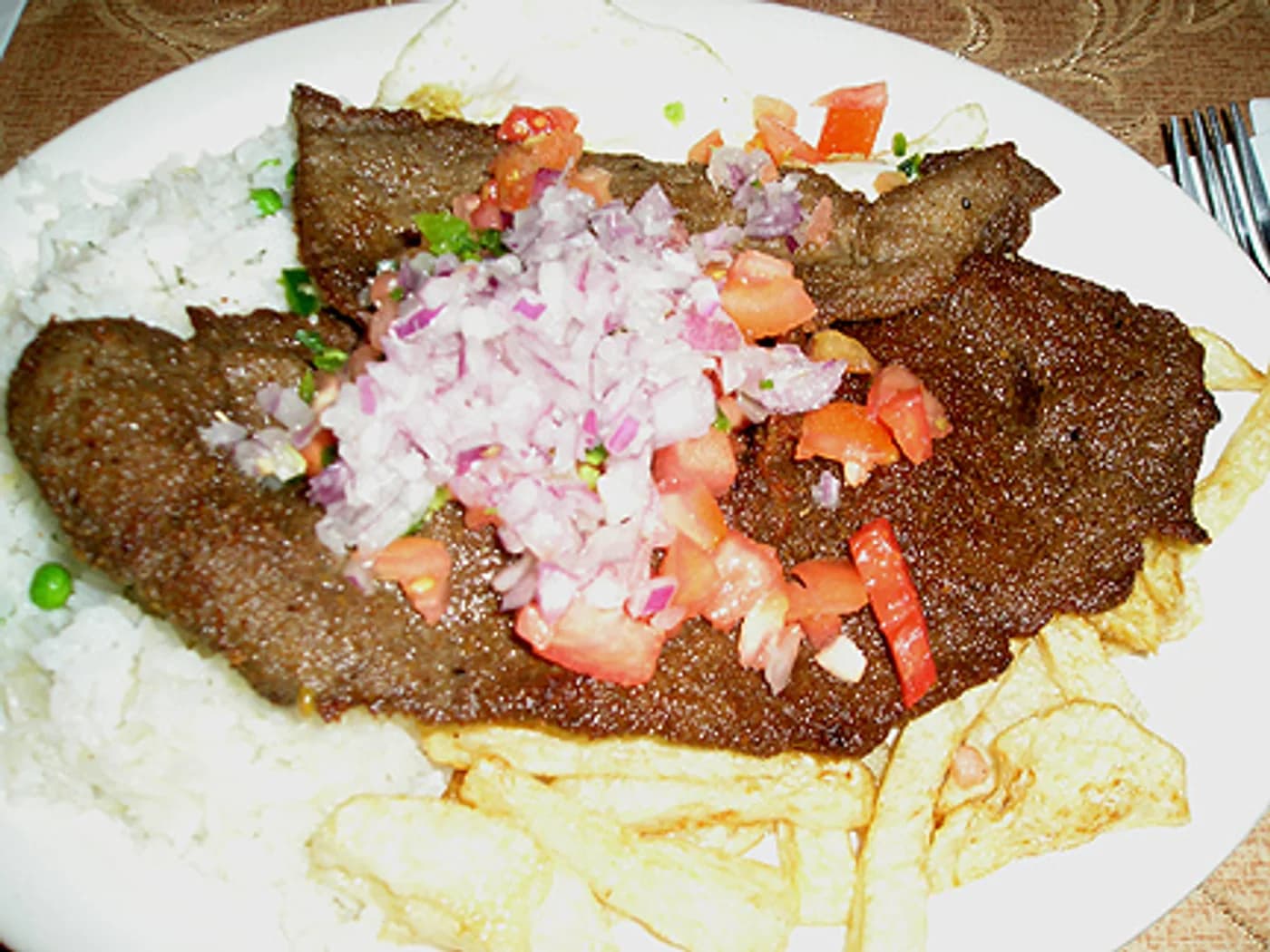
Silpancho
Silpancho is a generous Cochabamba plate of rice, potatoes and a very thin breaded beef cutlet, finished with fried egg and fresh tomato-onion salsa.
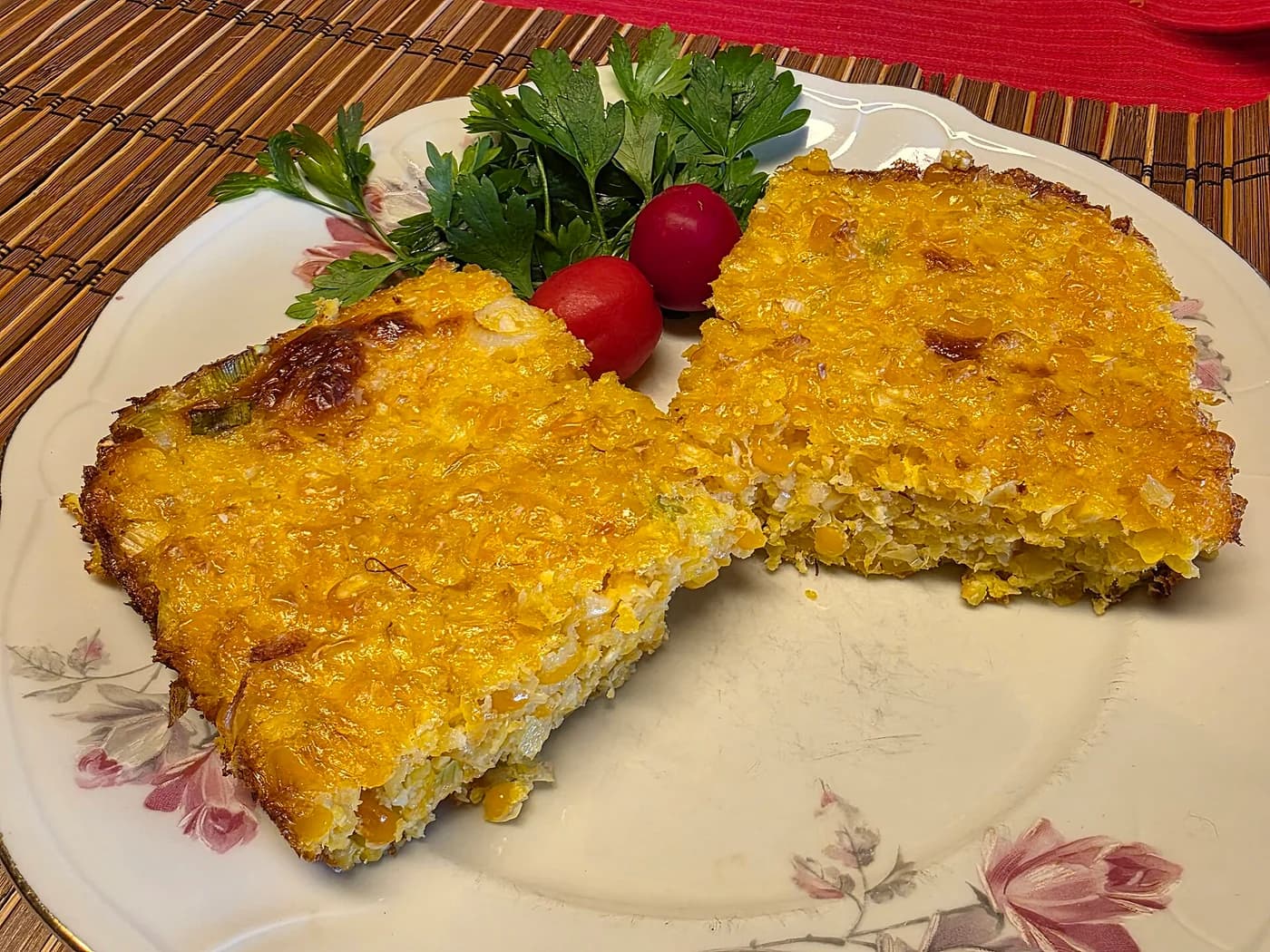
Chipa guasu
Chipa guasu is a tender Paraguayan corn and cheese bake whose Guaraní name means large chipa. Fresh sweetcorn gives it a moist texture between spoonbread and savoury cake.
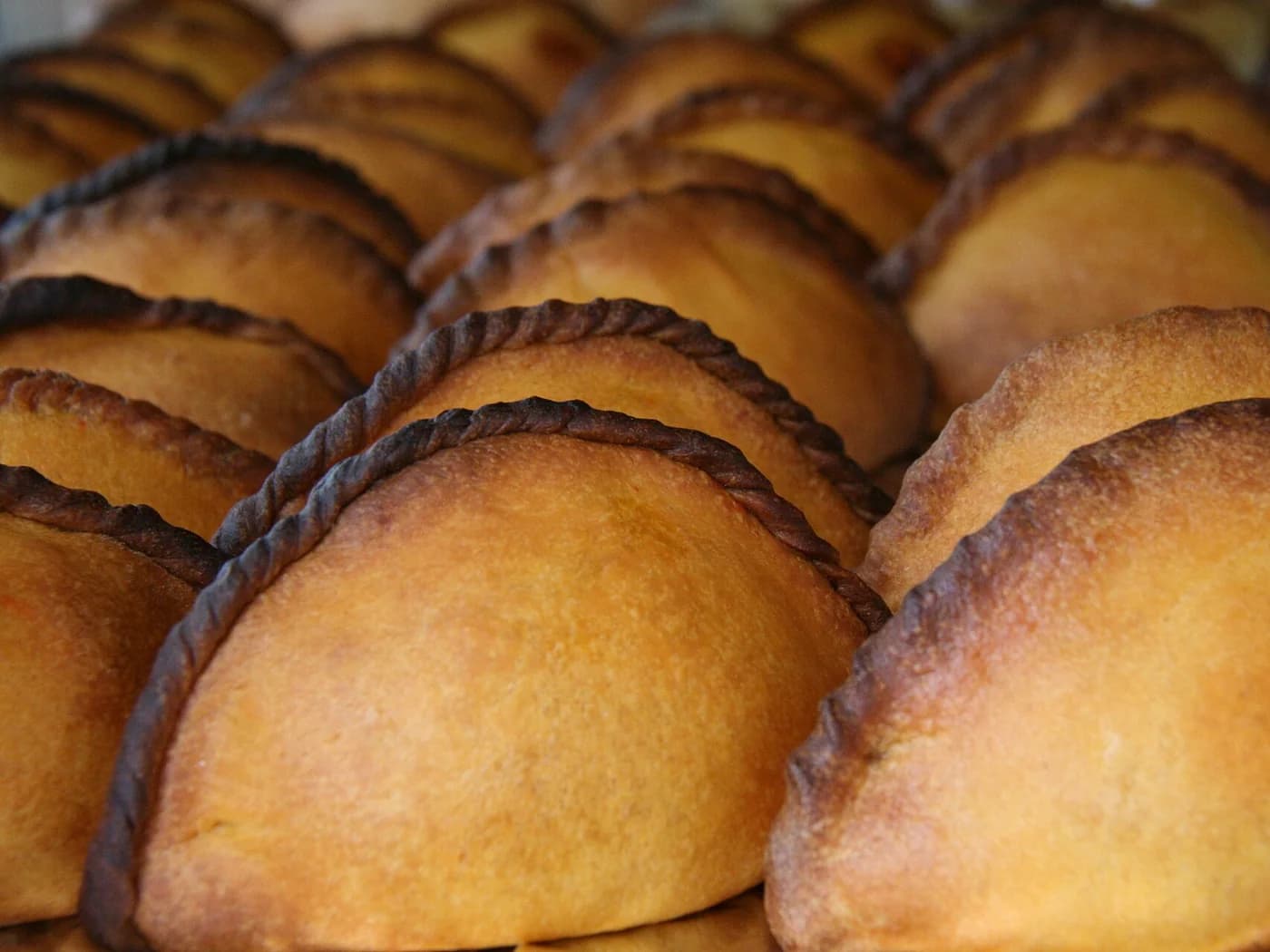
Salteñas
Bolivian salteñas are golden, slightly sweet pastries packed with a juicy spiced stew. Chilling the gelatin-rich filling before shaping keeps the broth sealed inside until baking.
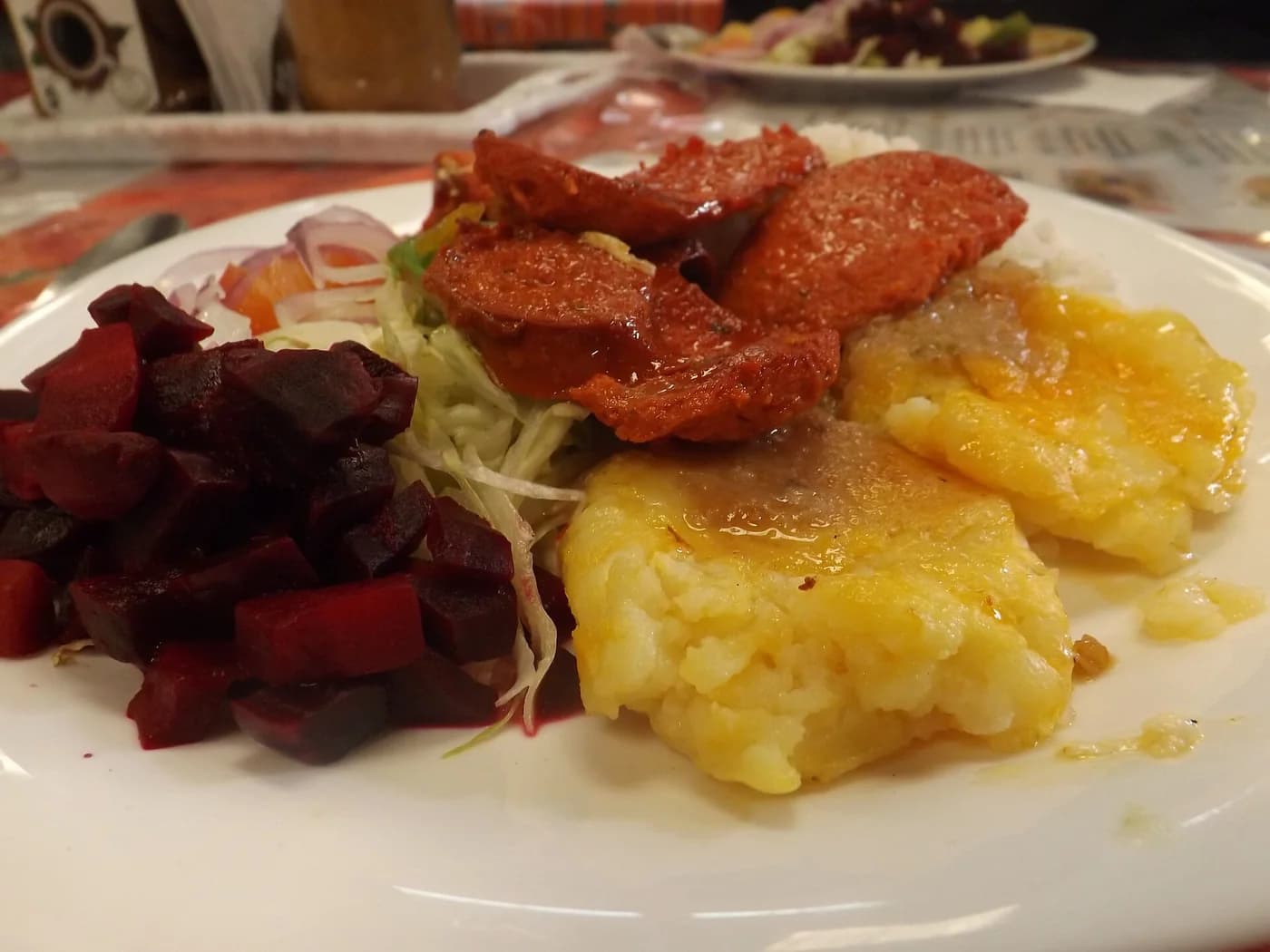
Llapingachos
Llapingachos are Ecuadorian potato cakes coloured with achiote and filled with melting cheese. Their crisp surface and soft centre are traditionally paired with peanut sauce and fresh garnishes.
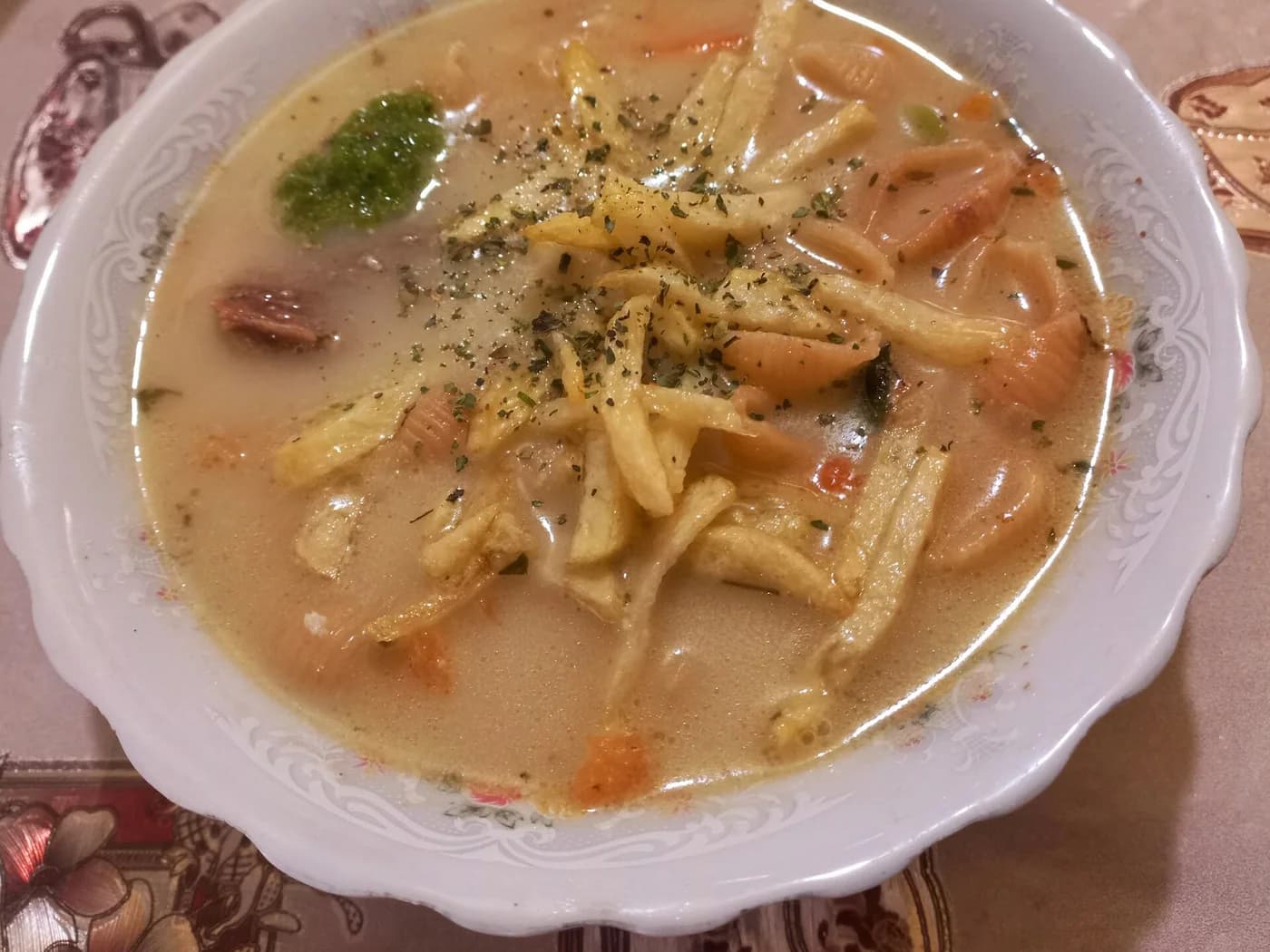
Sopa de maní
Bolivian sopa de maní turns raw peanuts into a creamy, savoury broth enriched with beef, vegetables and warming spices. Crisp potato matchsticks are a classic final contrast.
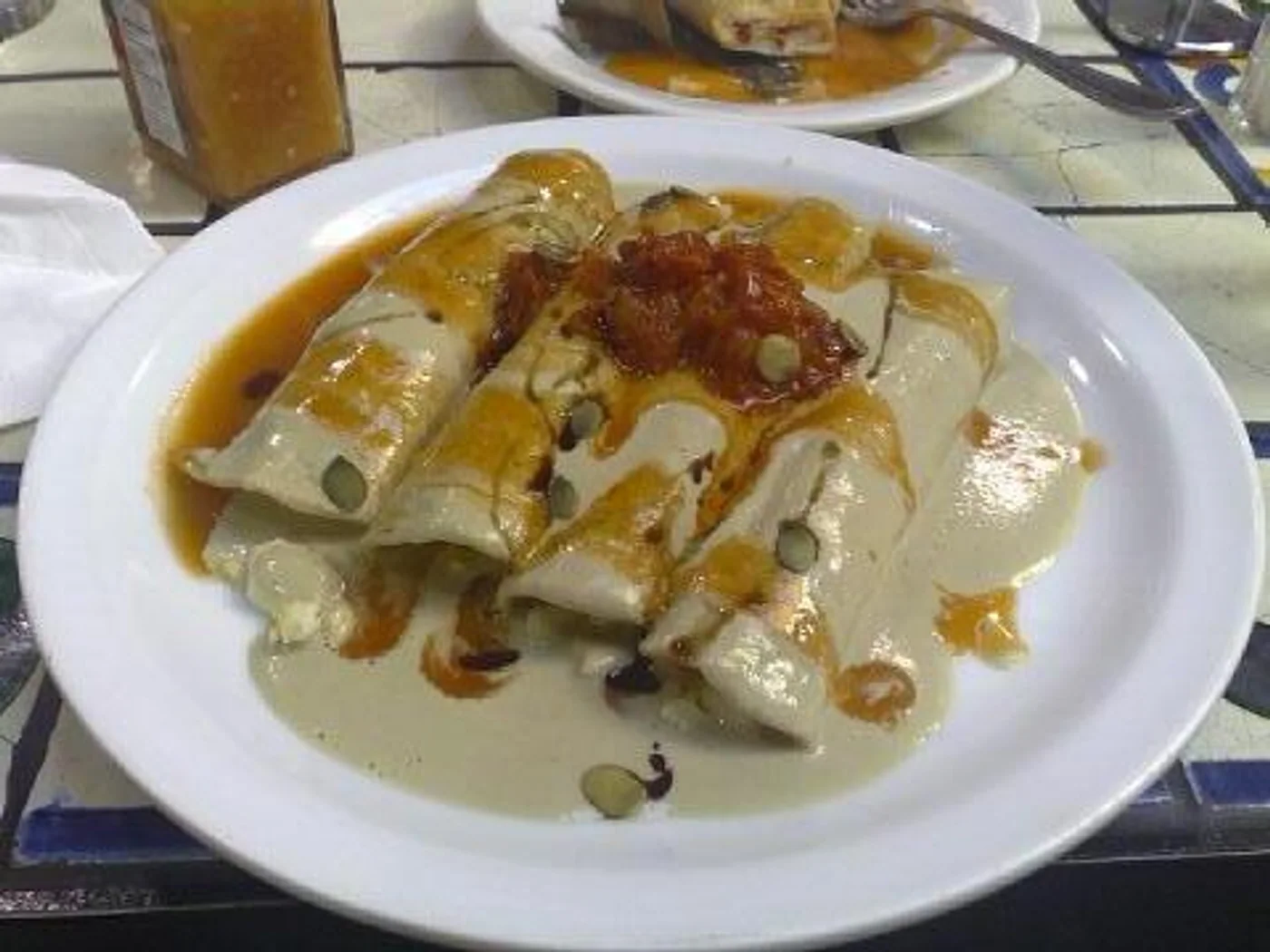
Papadzules
Papadzules are a Yucatecan Maya dish of tortillas filled with hard-boiled egg and coated in a silky pumpkin-seed sauce. A fresh tomato and habanero sauce provides acidity and heat.
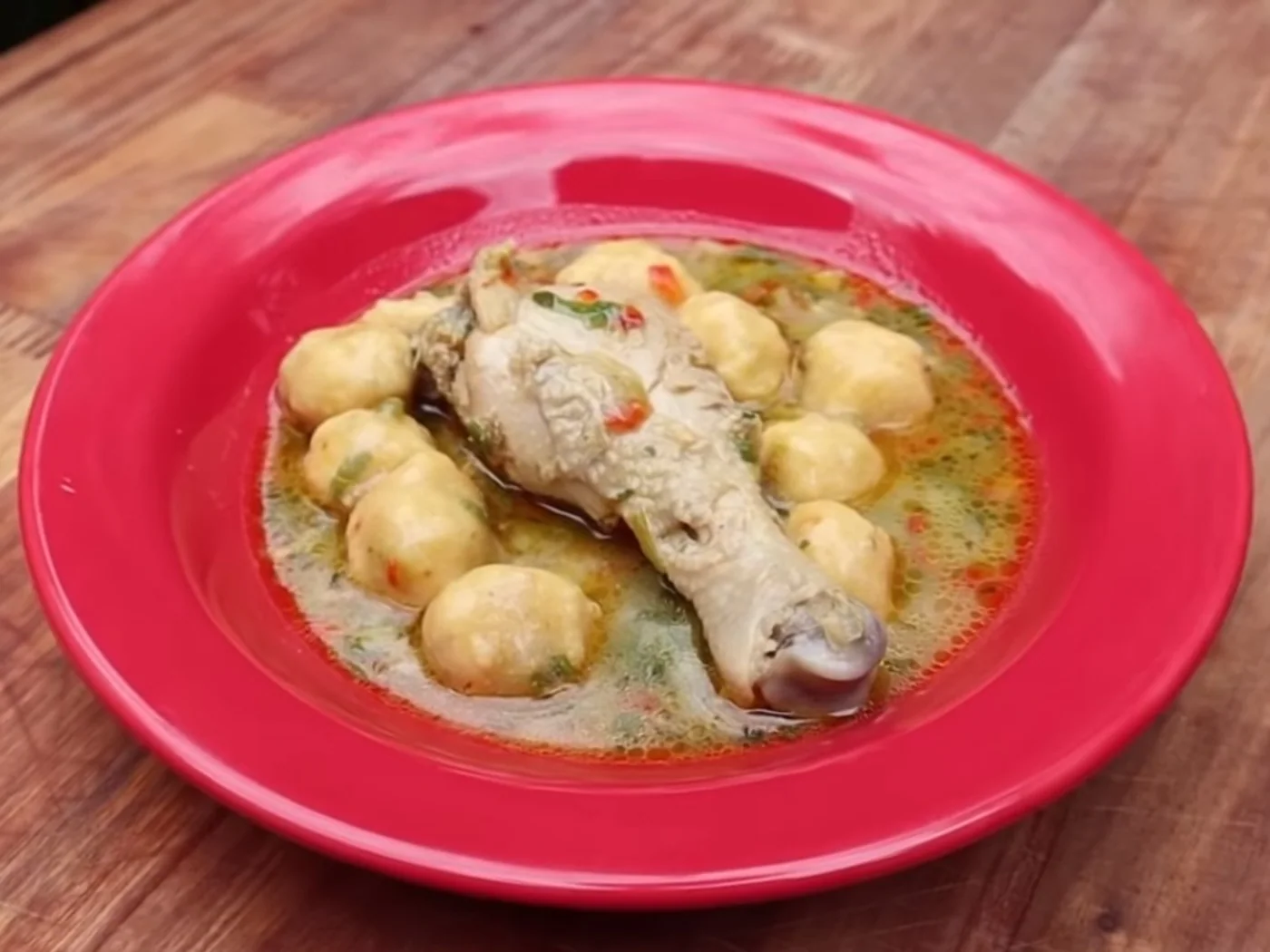
Vori-vori
Paraguay's comforting national soup pairs a deeply seasoned chicken broth with tiny cornmeal and cheese dumplings. The dumplings thicken the broth as they cook, giving vori-vori its characteristic body.
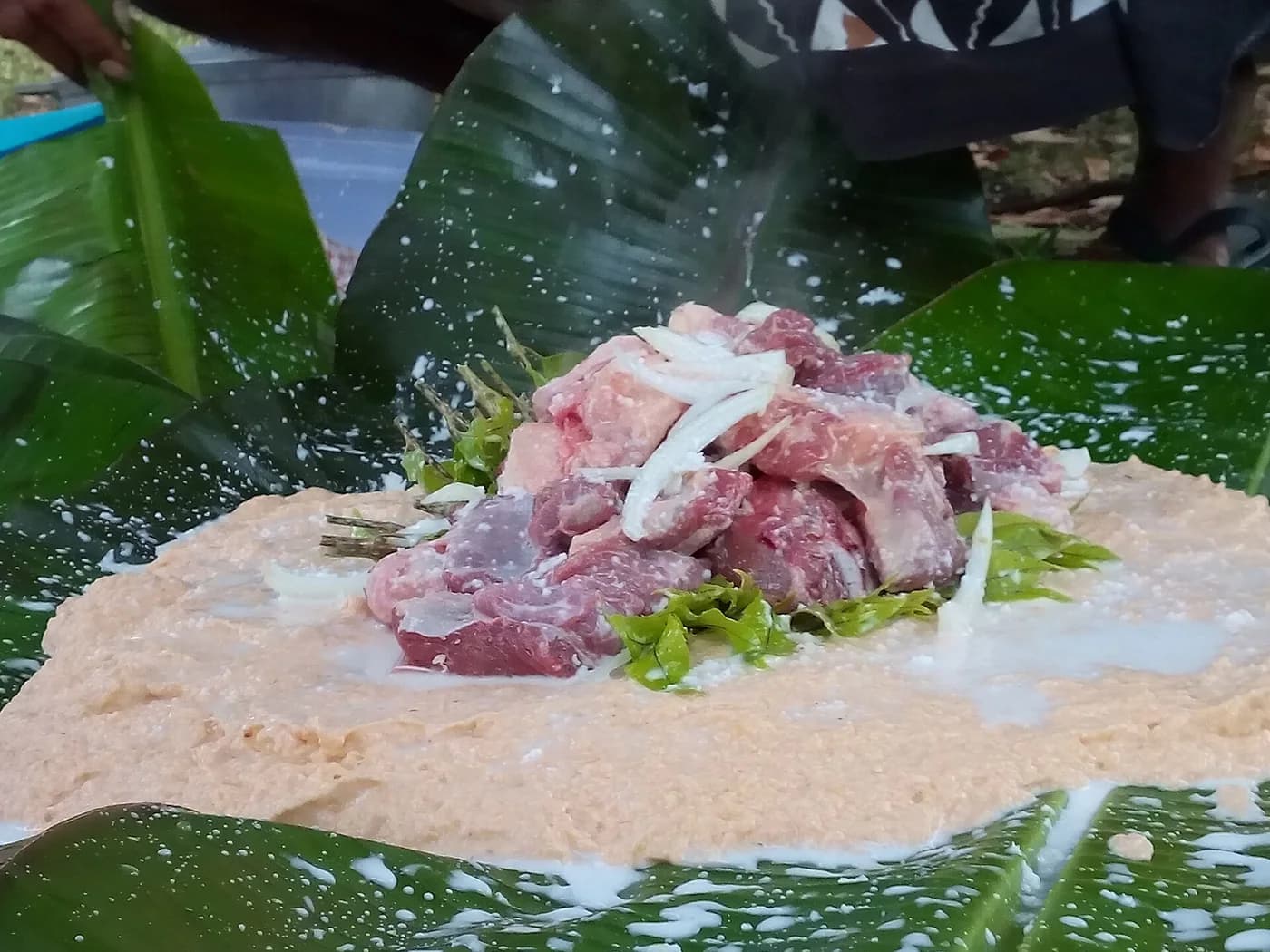
Laplap
Laplap is Vanuatu's national dish, traditionally made by grating taro, yam or manioc, enriching it with coconut milk and baking it in leaves over hot stones.
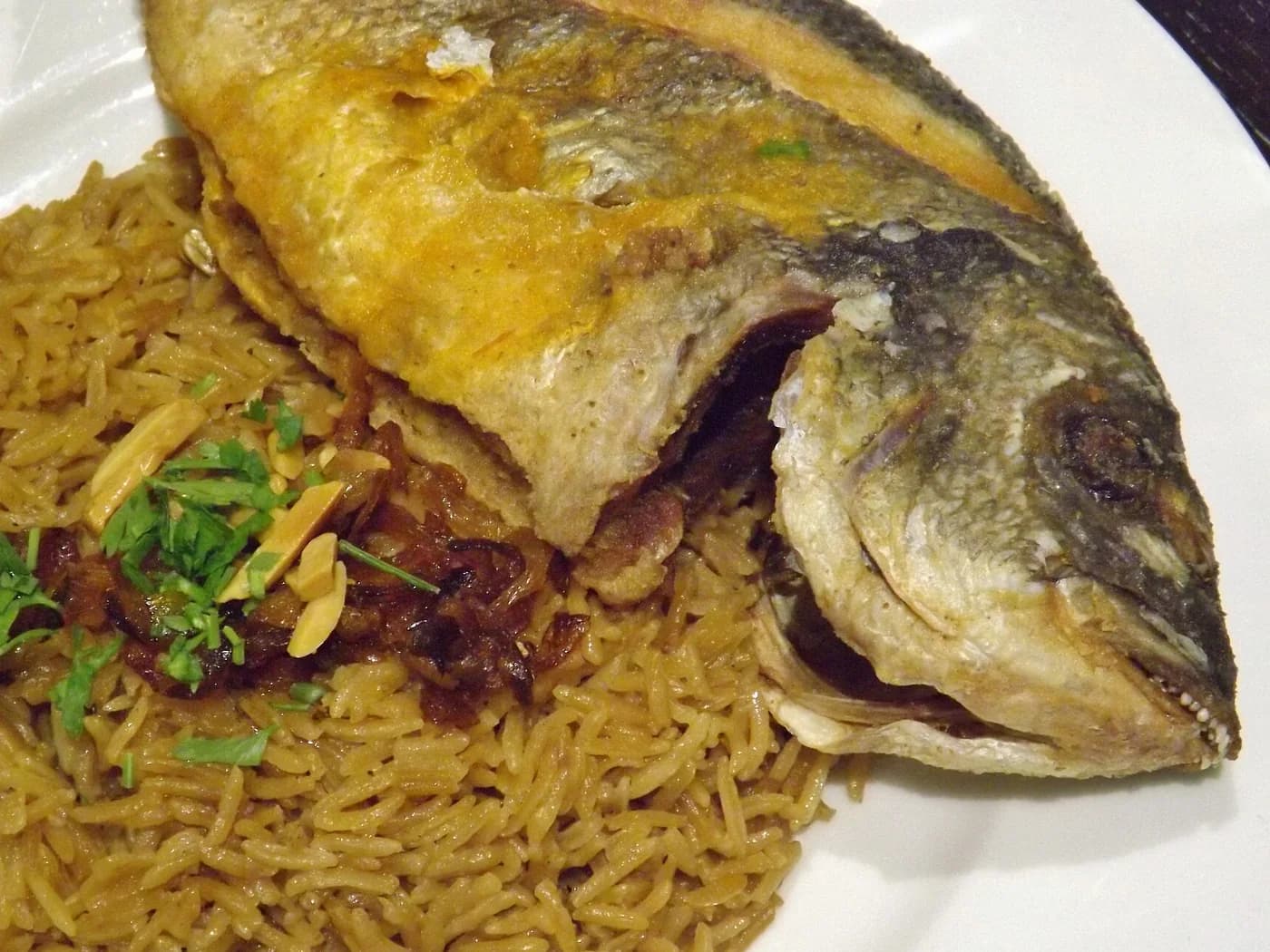
Sayadieh
Sayadieh is a fishermen's rice dish scented with caramelised onions and warm spices, topped with firm white fish and nuts. The dark onion stock gives the rice its signature colour.
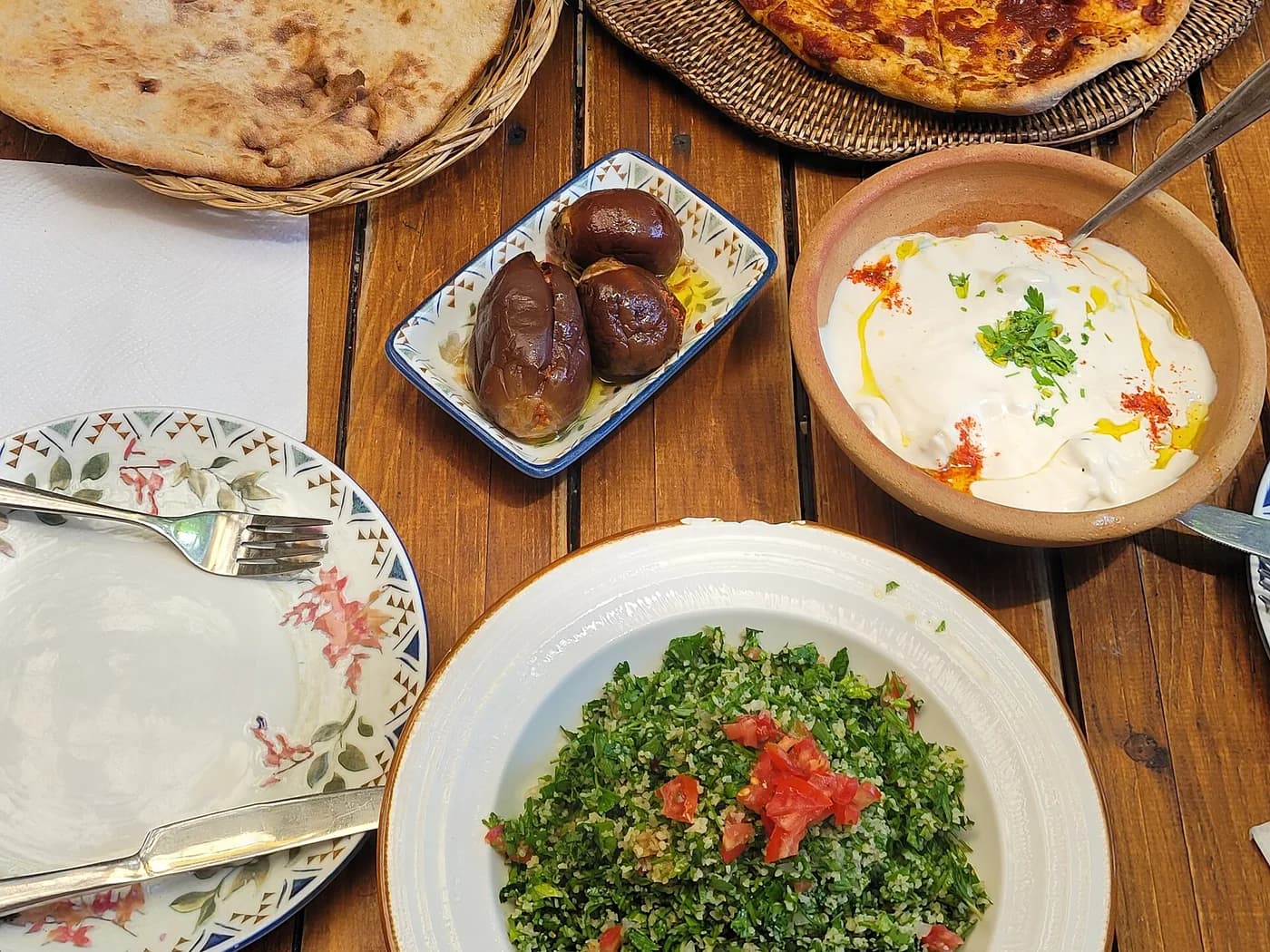
Musakhan
Musakhan layers taboon bread with olive-oil-softened onions, tart sumac and roasted chicken. The communal Palestinian dish is prized for turning a few ingredients into deep savoury flavour.
Send someone a dish they have never heard of.
This is a living field guide: the collection will deepen as new recipes pass recipe and source review.