Piperade
Piperade is a Basque mixture of slowly cooked peppers, tomatoes and onions seasoned with piment d'Espelette. Eggs are often folded in for a simple meal, while Bayonne ham is a common accompaniment.
From Chef Ilhama’s recipe collection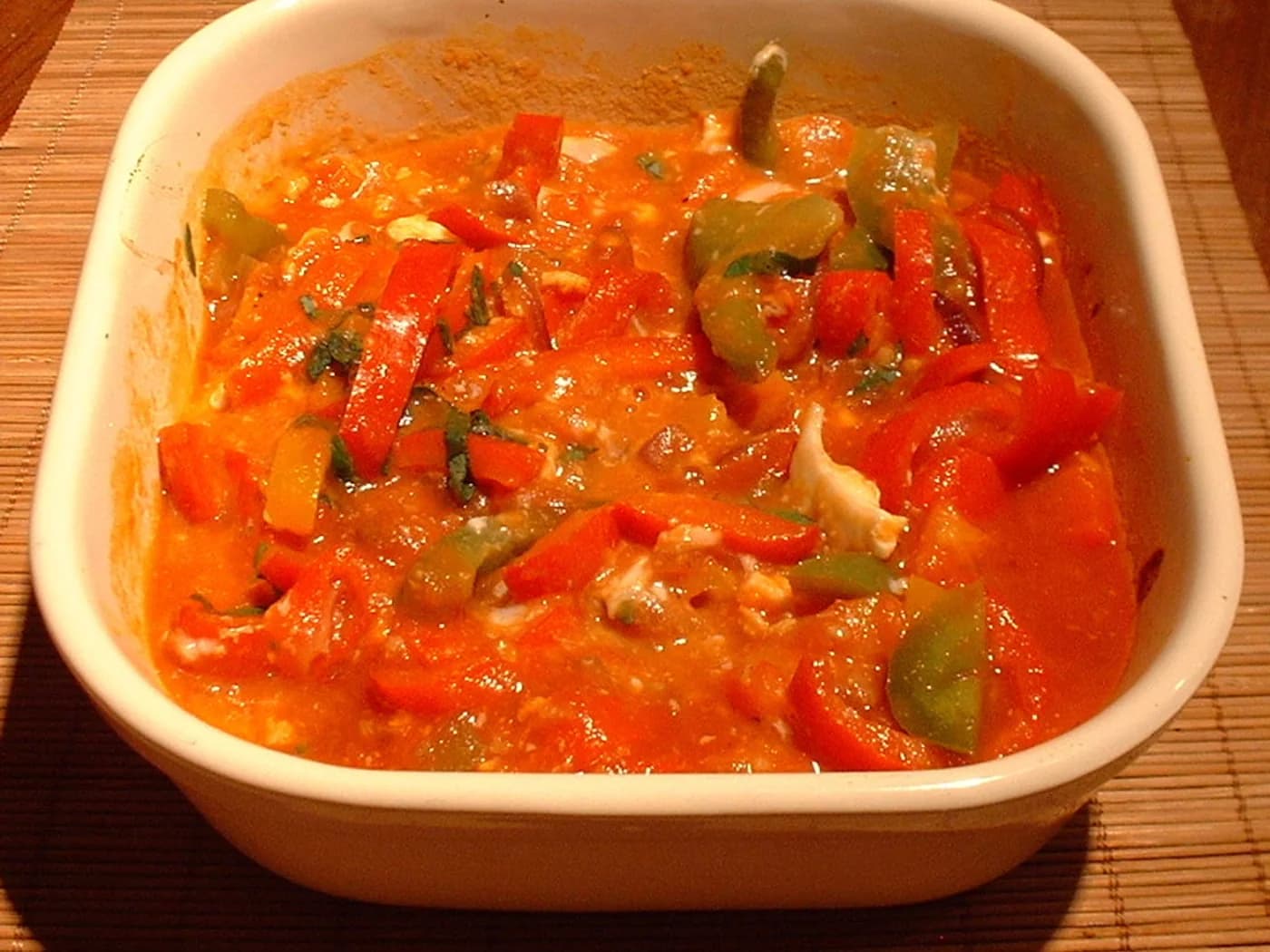
Photo: FotoosVanRobin — originally posted to Flickr as Piperade geroerd met verse basilicum · CC BY-SA 2.0 · Sources
How do you make Piperade?
Piperade uses 8 ingredients and 5 clear steps. Allow 45 minutes; the recipe yields 4 servings. Check off ingredients and steps as you cook.
What does Piperade taste like—and what matters most?
Piperade is sweet from slowly softened peppers and onion, bright from tomato and gently warm rather than aggressively hot.
Cook the peppers and onion until fully soft before adding eggs. The vegetables are the sauce; rushing them leaves a watery, raw-tasting base.
Use a mix of sweet red and green peppers. A small pinch of mild smoked paprika can add depth when Espelette pepper is unavailable.
If adding eggs, keep the heat low and stop while they are still glossy. Residual heat finishes them without making the dish dry.
The pepper-tomato base keeps for 4 days refrigerated. Add freshly cooked eggs after reheating the base for the best texture.
Ingredients & Preparation steps
8 items
History note
Piperade is a Basque mixture of slowly cooked peppers, tomatoes and onions seasoned with piment d'Espelette. Eggs are often folded in for a simple meal, while Bayonne ham is a common accompaniment.
5 steps
Cook the onions and peppers slowly in olive oil with a pinch of salt until soft but not browned.
Add garlic, tomatoes and piment d'Espelette and simmer uncovered until thick and glossy.
Taste and adjust salt; the vegetable base can be held warm at this stage.
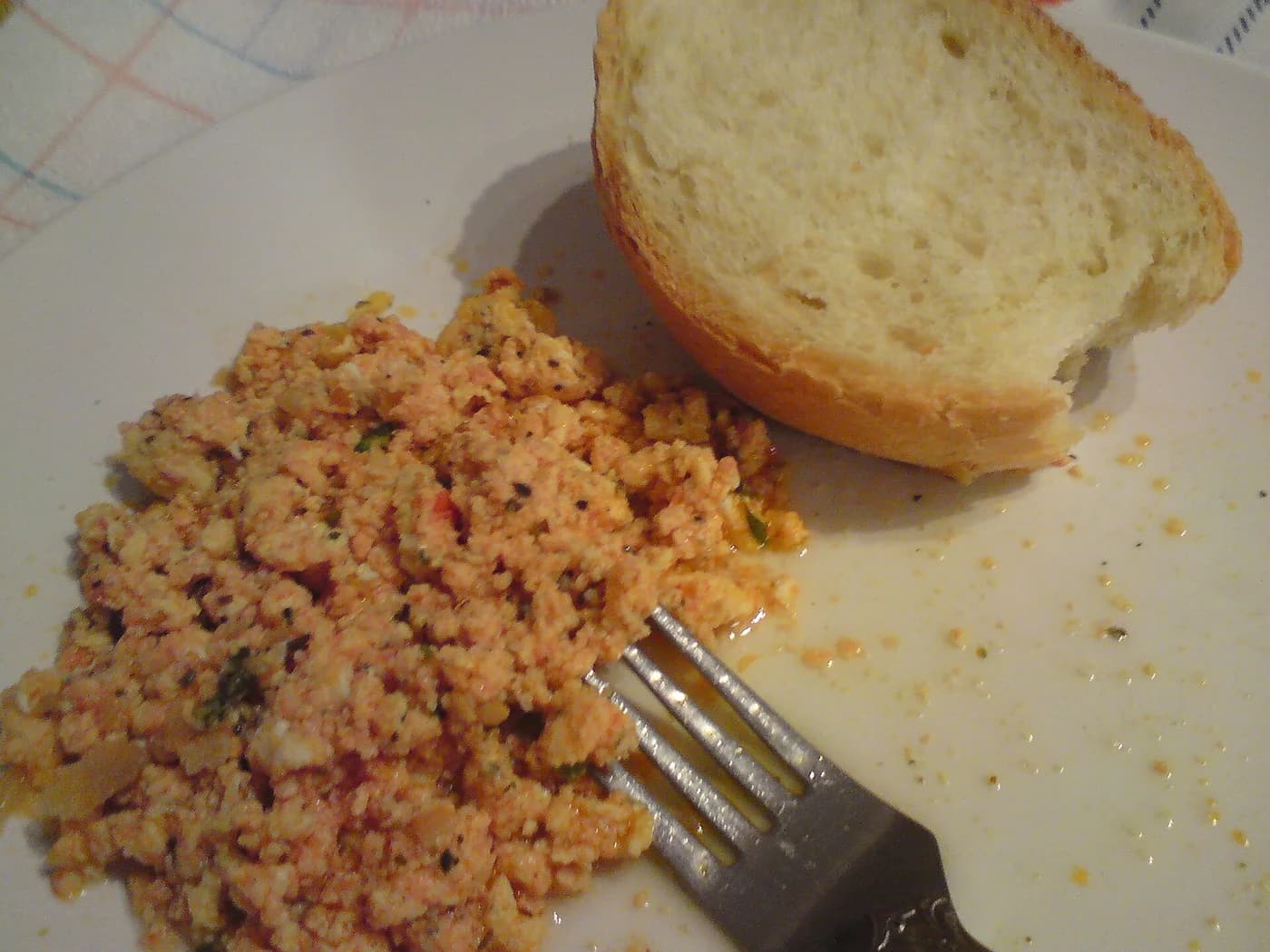
Beat the eggs lightly, pour them into the piperade and fold over low heat until softly set.
Remove from the heat while still creamy and serve immediately.
Serve with grilled country bread and, if desired, thin slices of Bayonne-style ham.
If this recipe caught your eye.
Continue with recipes connected by technique, region and flavour structure.
If you want to feel this quality on your table, the next step is planning the service.
A direct contact for menu curation, event flow, and service tone is the most correct start.