Chickpea Recipes from Tunisia to Ethiopia
See how one pantry staple becomes soup, silky stew and a foundation for bold regional seasoning.
Different kitchens answering the same appetite.
Chickpeas travel well across cuisines because they carry spice, acidity and fat without losing their own nutty character. Tunisian lablabi keeps the chickpeas whole in a bread-thickened soup; Ethiopian shiro wat turns chickpea flour into a smooth, berbere-led stew.
The collection is intentionally compact. It compares two highly distinct techniques instead of padding the page with recipes where chickpeas play only a minor role.
2 distinct stops.
Each card opens a new technique and flavour structure—not merely another recipe.
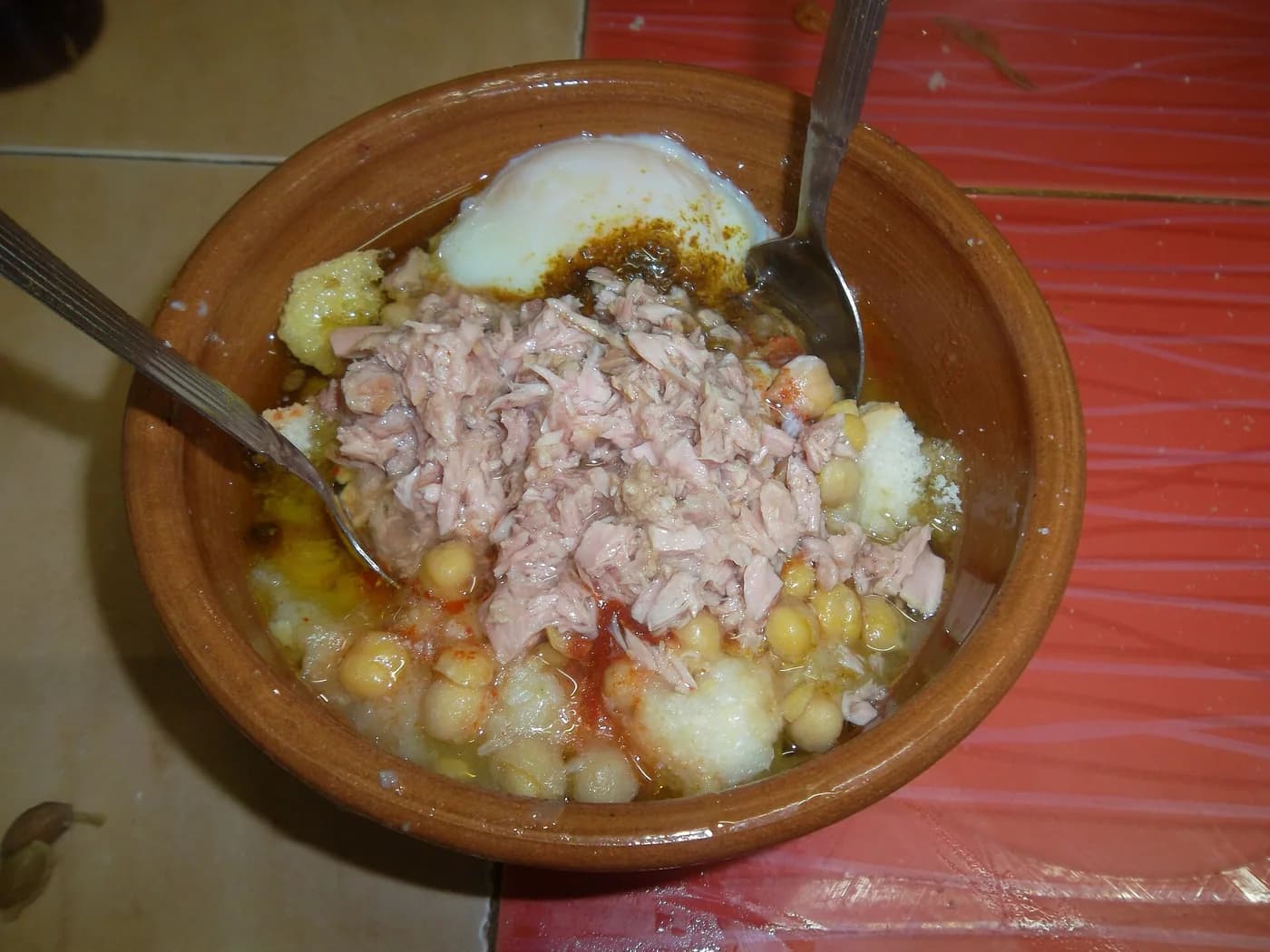
Lablabi
Lablabi is a Tunisian chickpea soup assembled over torn day-old bread with garlic, cumin, harissa, lemon and olive oil. Its customisable garnishes make a humble bowl intensely aromatic.
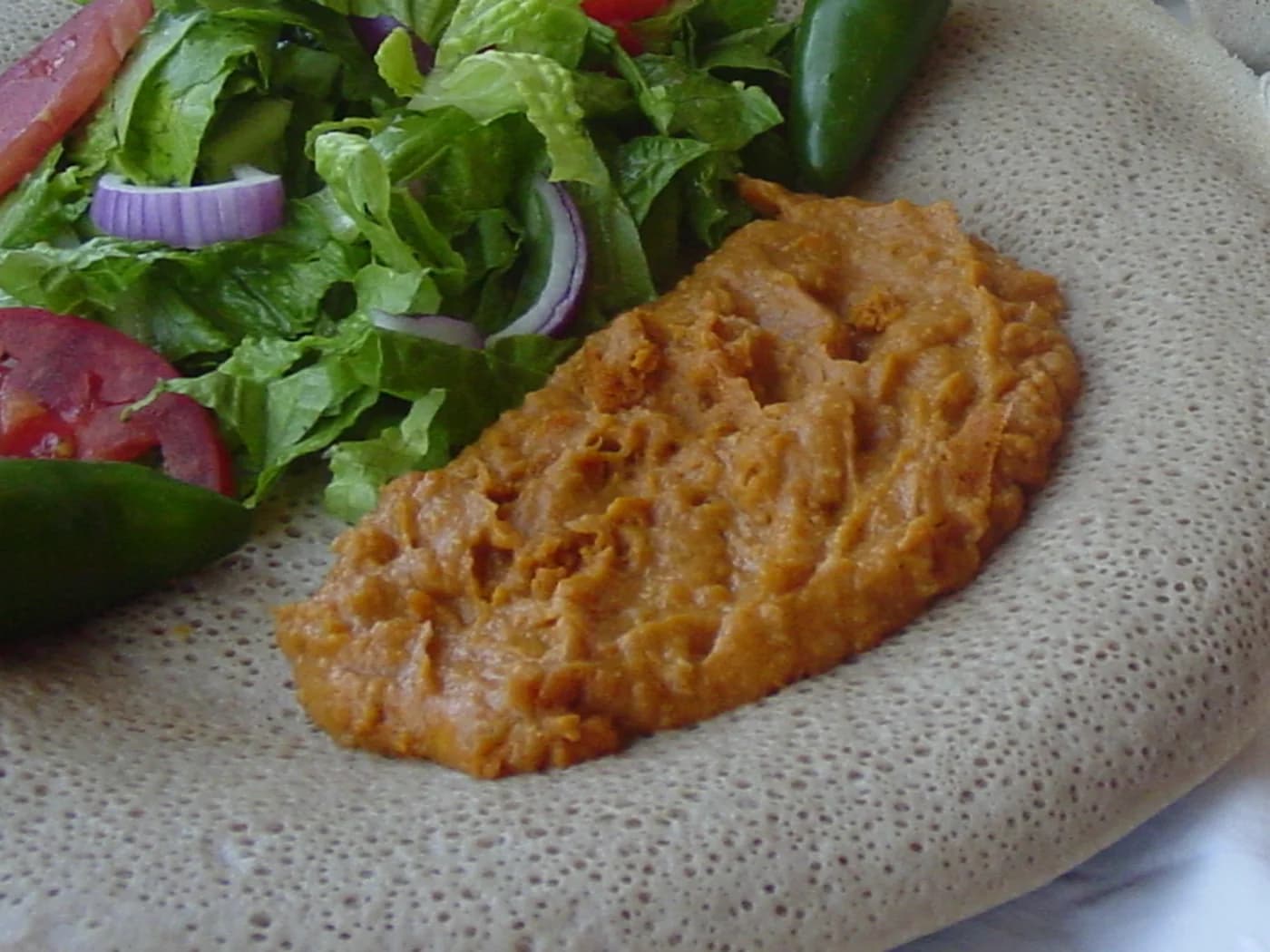
Shiro wat
Shiro wat is a smooth Ethiopian stew made from seasoned chickpea flour, onions and berbere. Constant whisking produces a silky, deeply spiced sauce suited to fasting meals.
Quick answers
The questions most likely to come up before you cook.
Can canned chickpeas be used for lablabi?
Yes. Rinse them well and simmer long enough for the broth to take on their flavour; dried chickpeas usually provide a fuller cooking liquid.
Is shiro wat made with whole chickpeas?
It is traditionally based on finely milled chickpea or broad-bean flour, which gives the stew its smooth body.