Cold Noodle Recipes Across Asia
Four cooling noodle traditions: nutty, creamy, springy and sharply dressed.
Different kitchens answering the same appetite.
Cold noodles are not one technique. Korean kongguksu uses chilled soy milk, Japanese hiyashi chūka layers bright toppings over springy noodles, and Xi’an liangpi depends on texture and a chilli-vinegar dressing.
Use this collection as a temperature-and-texture guide. The recipes share a refreshing purpose, yet each one solves it with a completely different base, noodle and finishing sauce.
4 distinct stops.
Each card opens a new technique and flavour structure—not merely another recipe.
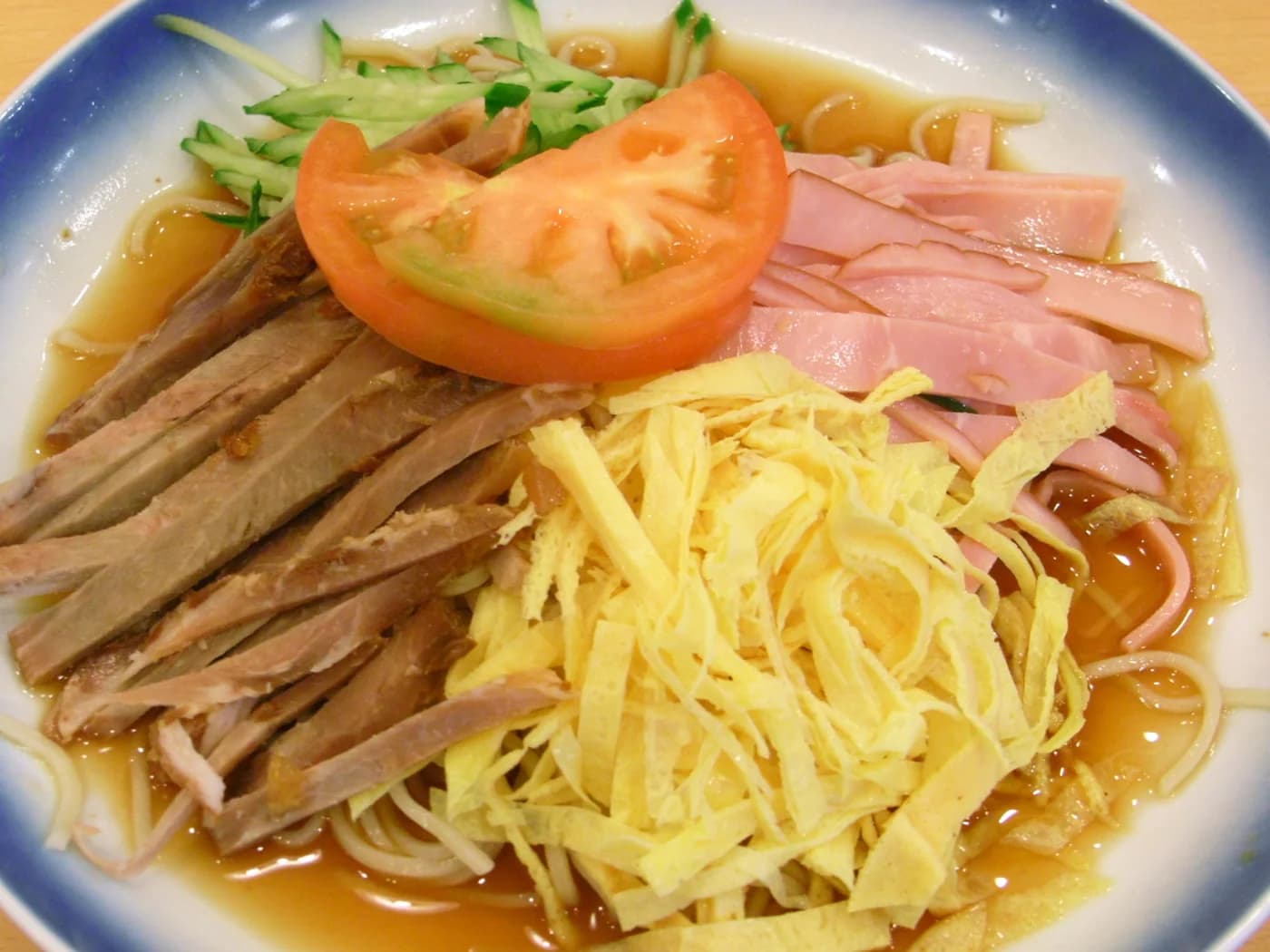
Hiyashi chūka
Hiyashi chūka is a colourful Japanese summer dish of chilled ramen noodles arranged with fine strips of egg, cucumber, tomato and protein, then dressed with a bright soy-vinegar sauce.
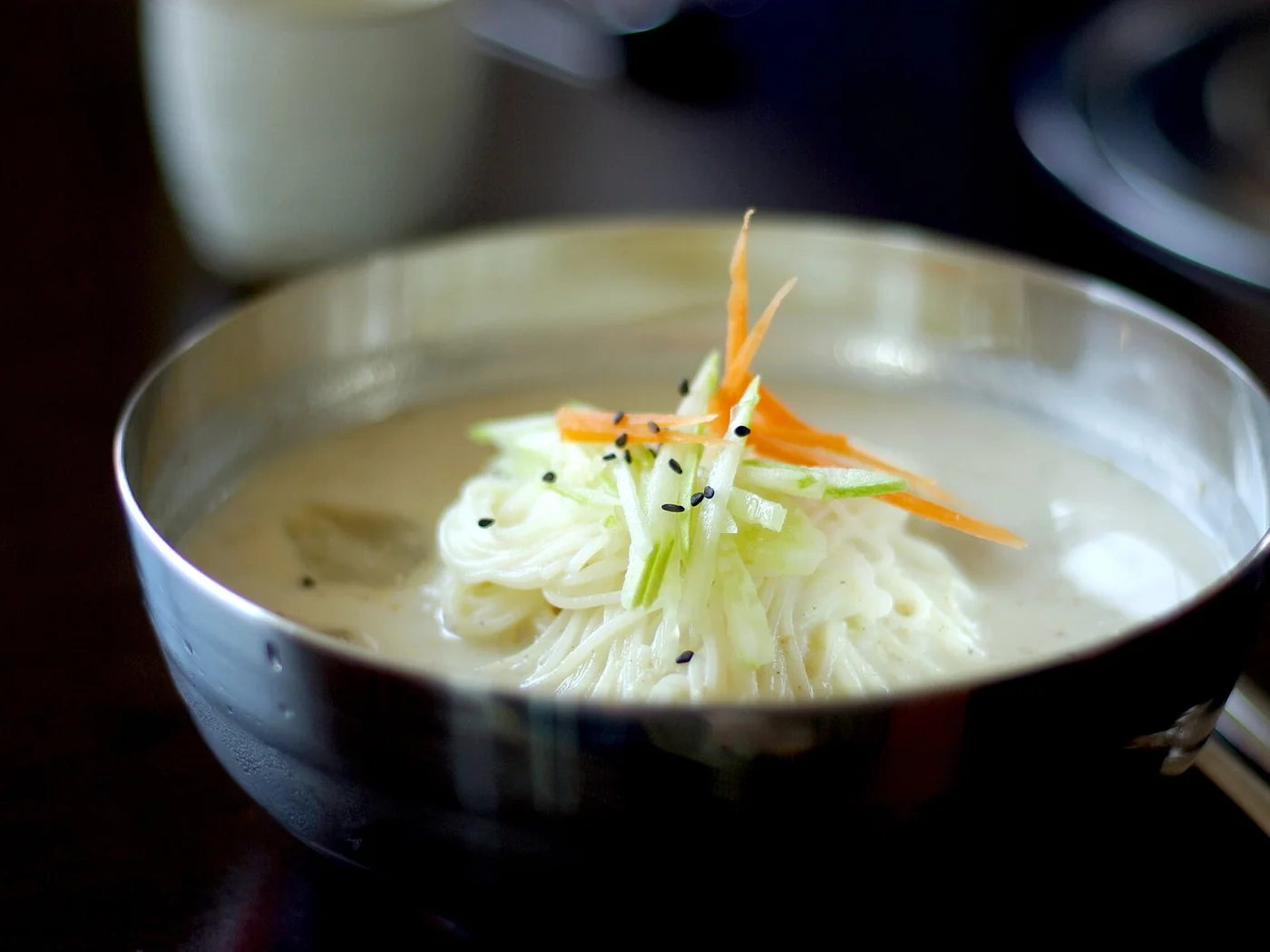
Kongguksu
Kongguksu is a Korean summer noodle bowl in a chilled, savoury soy-bean broth. Blended beans and sesame create a naturally creamy texture without dairy.
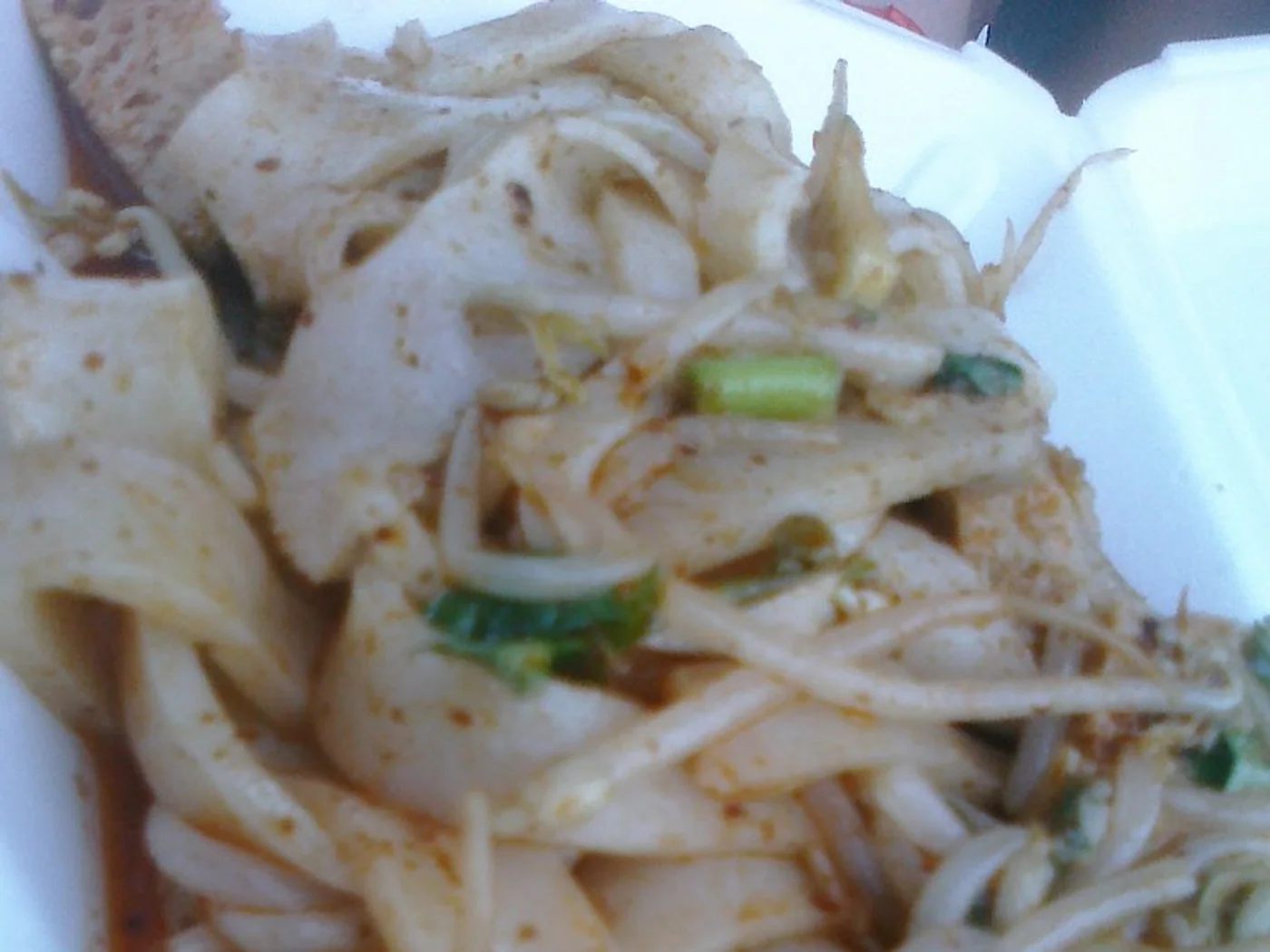
Liangpi
Liangpi, literally cold skin, are springy steamed wheat or rice sheets cut into noodles and dressed with chilli oil, vinegar, garlic and sesame. The Xi'an style balances numbing, hot, sour and nutty flavours.
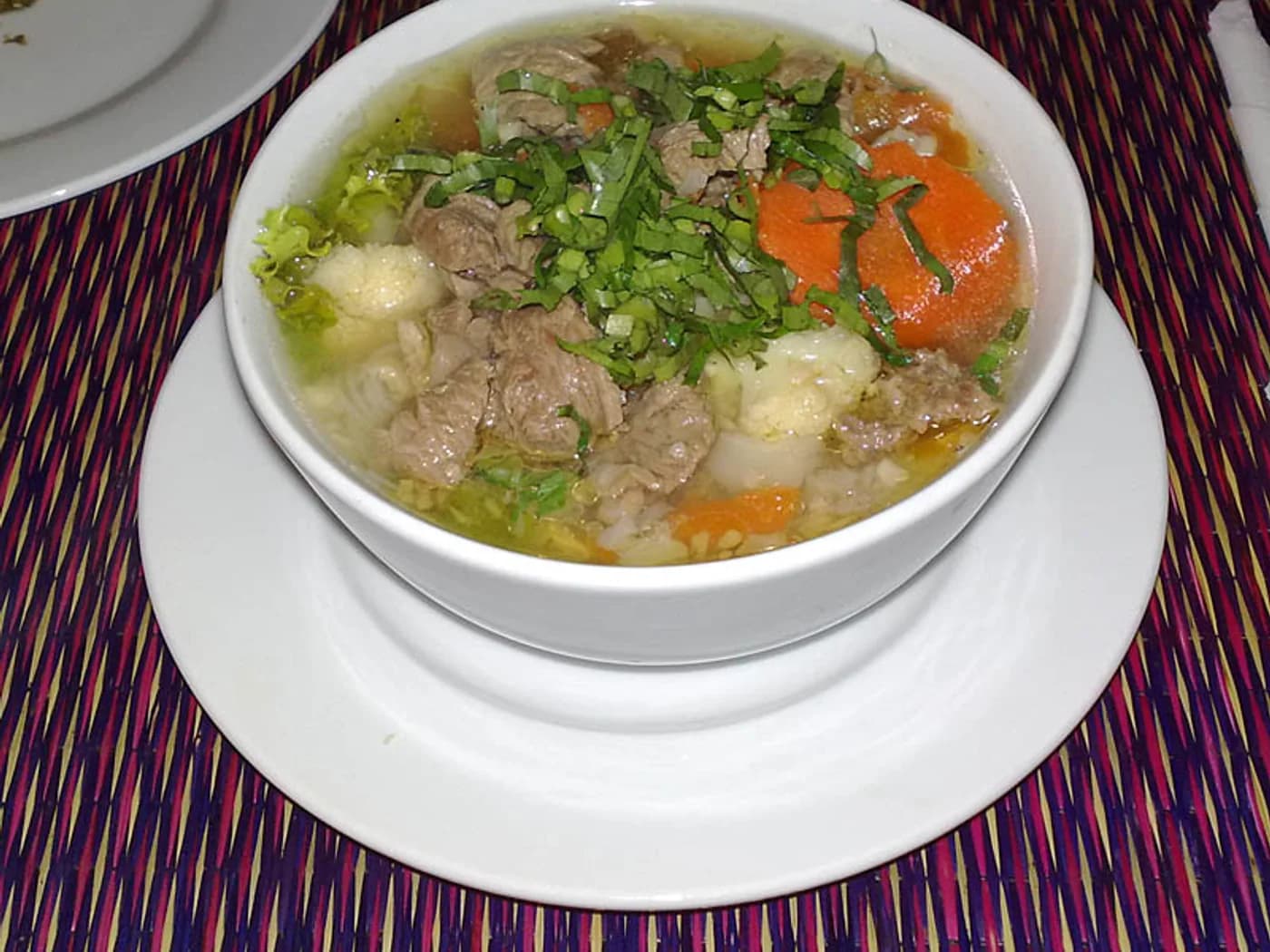
Num banh chok
Num banh chok is Cambodia's breakfast rice noodle dish, covered with a fragrant green fish gravy made with lemongrass, turmeric and coconut, then piled with raw herbs and vegetables.
Quick answers
The questions most likely to come up before you cook.
Are all cold noodle recipes served icy?
No. Some are thoroughly chilled, while others are served cool or at room temperature. Follow the individual recipe for the intended texture.
Which one is fastest?
Hiyashi chūka is the quickest in this set at around 40 minutes when the toppings are prepared efficiently.