Fermented and Tangy Flavours Around the World
Rice, fish, yogurt and crisp salad traditions that turn time and acidity into flavour.
Different kitchens answering the same appetite.
Fermentation is not a single “funky” flavour. It can cool rice, deepen a fish mash, sharpen a yogurt-soaked bread salad or add savoury contrast to crisp rice. These dishes show how preservation techniques become everyday comfort food.
Food-safety rules matter when working with fermented ingredients. Use clean equipment, respect the timing in each recipe and rely on properly prepared commercial ingredients whenever a traditional ferment is unfamiliar.
5 distinct stops.
Each card opens a new technique and flavour structure—not merely another recipe.
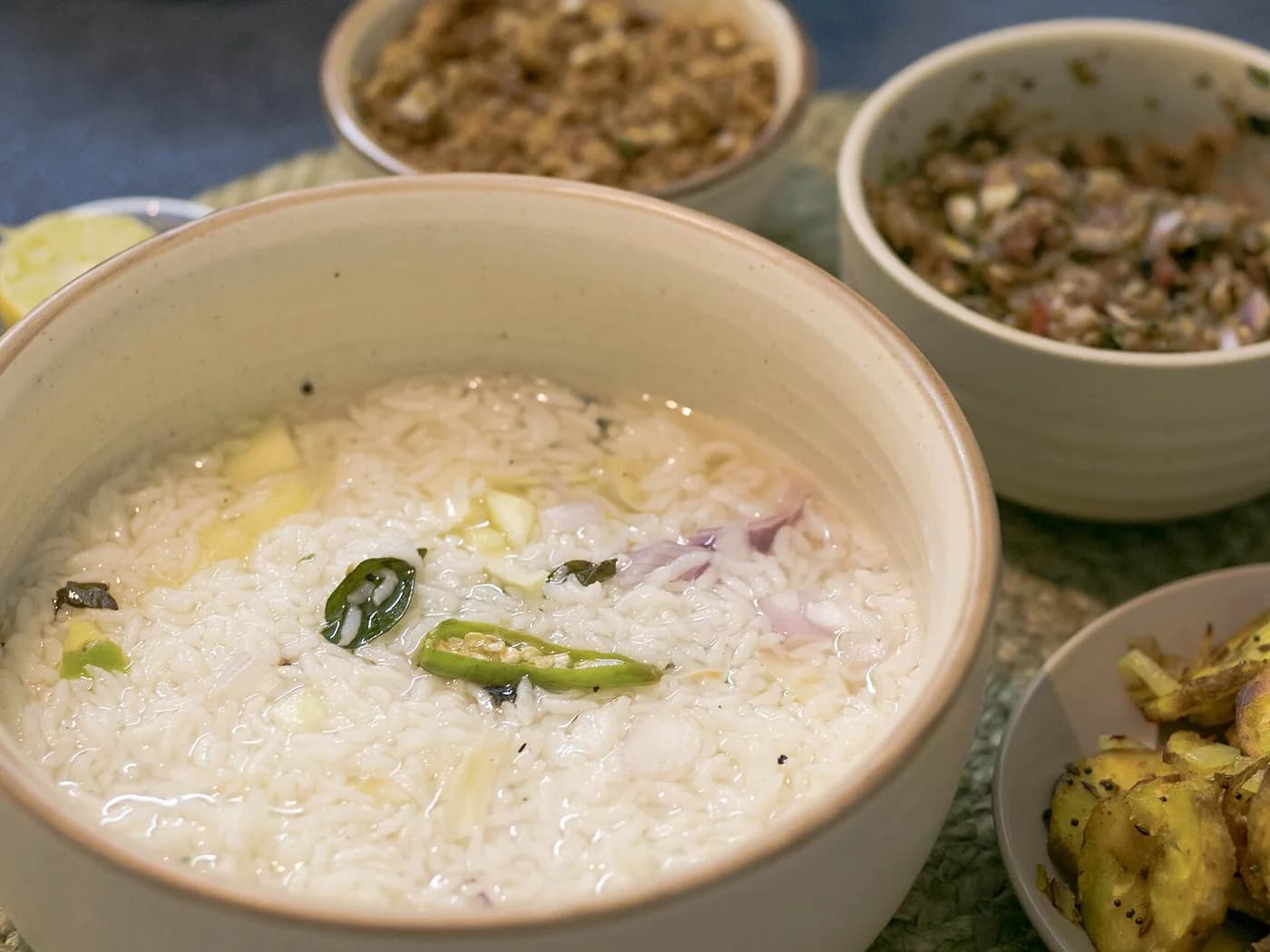
Pakhala bhata
Pakhala bhata is Odisha's cooling rice dish, in which cooked rice rests in water and is served lightly fermented or freshly soaked. Yogurt, ginger and a fragrant mustard-seed tempering make it especially refreshing in hot weather.
Eromba
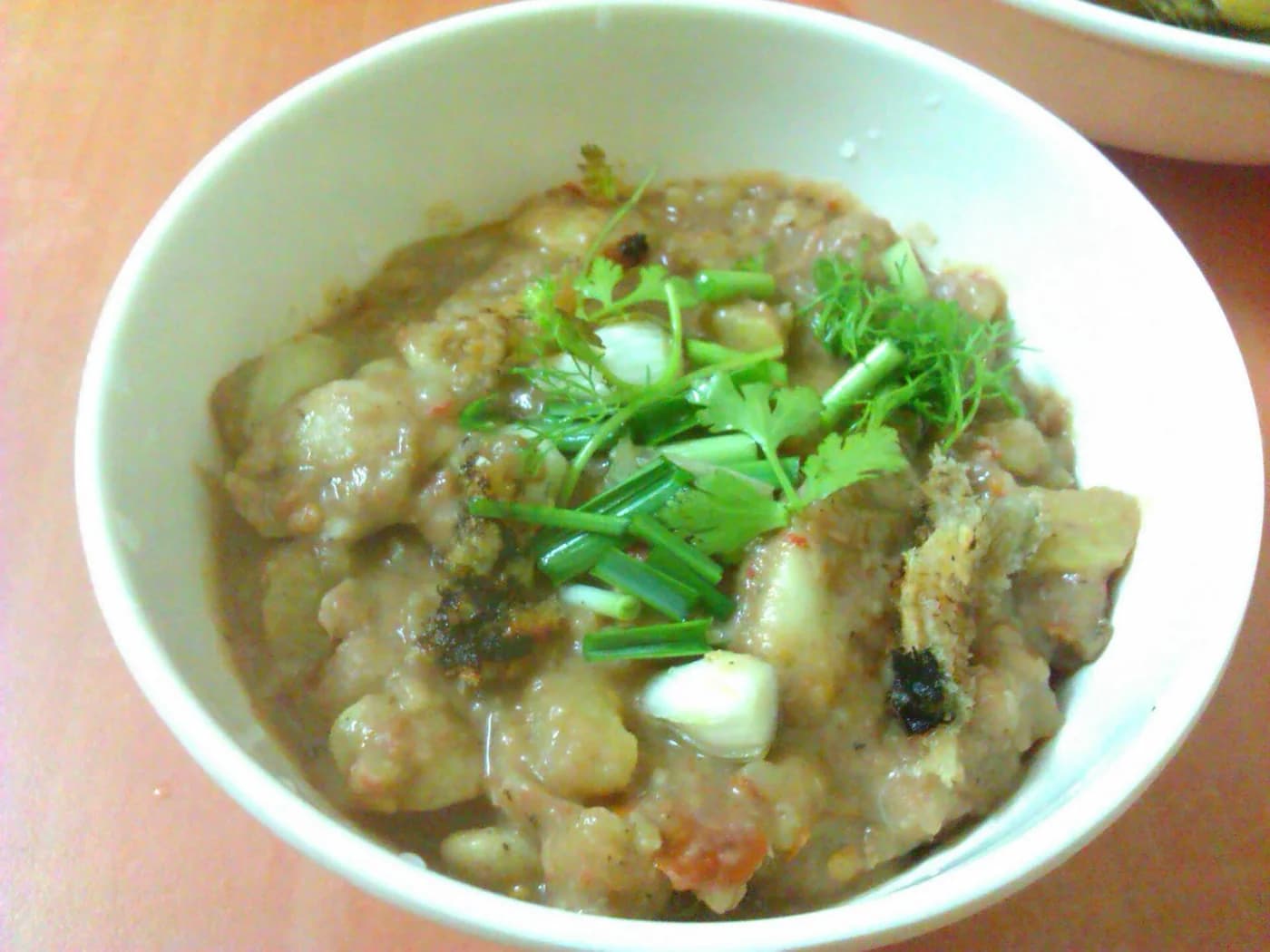
Eromba is a Manipuri mash of boiled vegetables, chillies and fermented fish, valued for its smoky heat and deep umami. Seasonal greens and herbs vary by household.
Nam khao
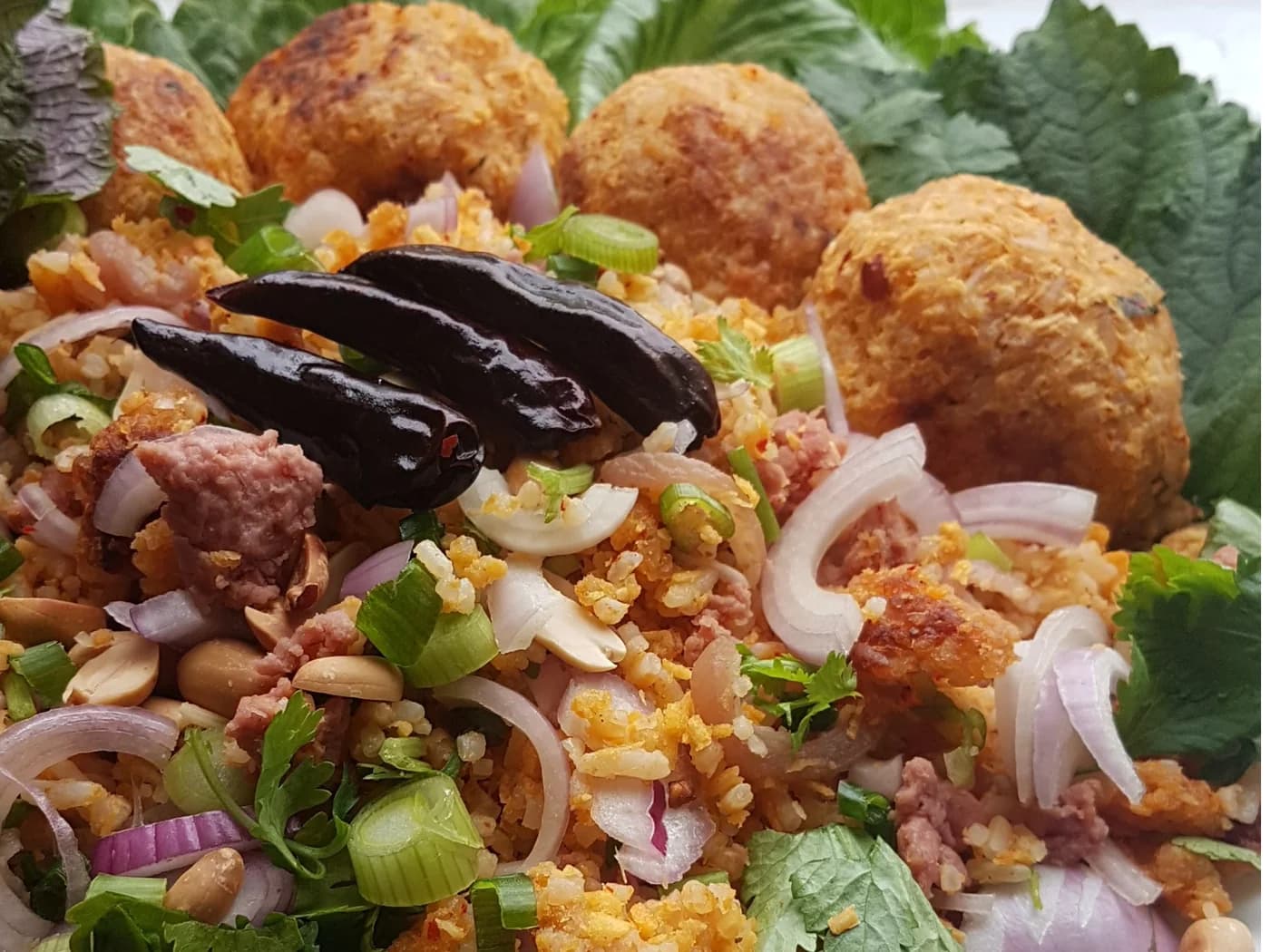
Nam khao is a Lao crispy rice salad made by frying coconut-red-curry rice balls, then breaking them into crunchy fragments with herbs, lime, peanuts and fermented sausage.

Qurutob
Qurutob is a communal Tajik dish of torn fatir bread softened with tangy qurut yogurt sauce and topped with onions, tomatoes, cucumber and herbs.
Asam pedas
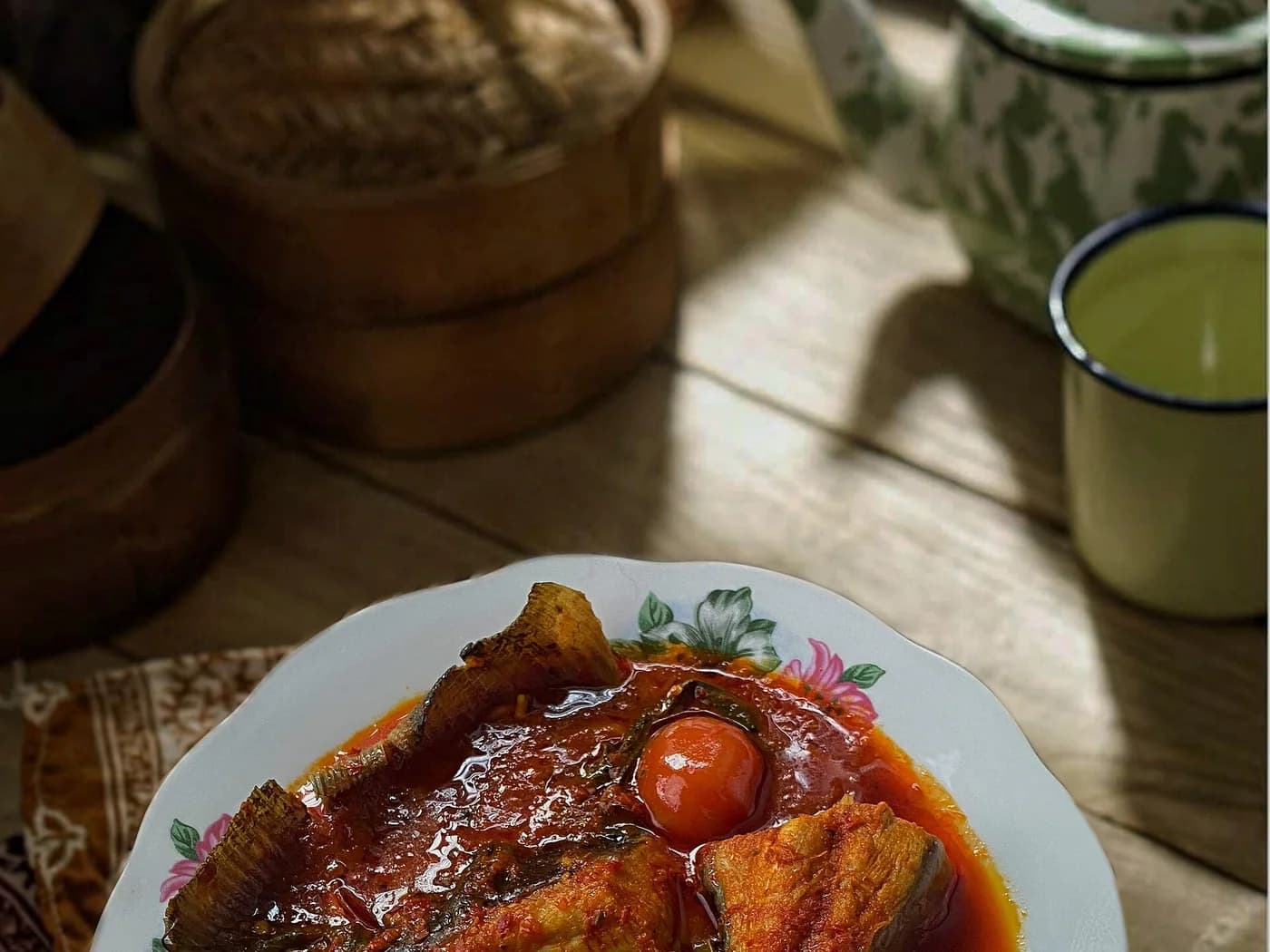
Asam pedas is a Malaysian sour-hot fish stew whose chilli paste is sharpened with tamarind and scented with torch ginger and laksa leaf.
Quick answers
The questions most likely to come up before you cook.
Do I need to ferment ingredients at home?
Not always. Several dishes use a prepared fermented ingredient; pakhala bhata is the clearest example where resting the rice is part of the recipe itself.
Are fermented foods automatically probiotic?
No. Cooking can reduce or remove live cultures, and not every fermented product contains proven probiotic strains.